
 Pin it
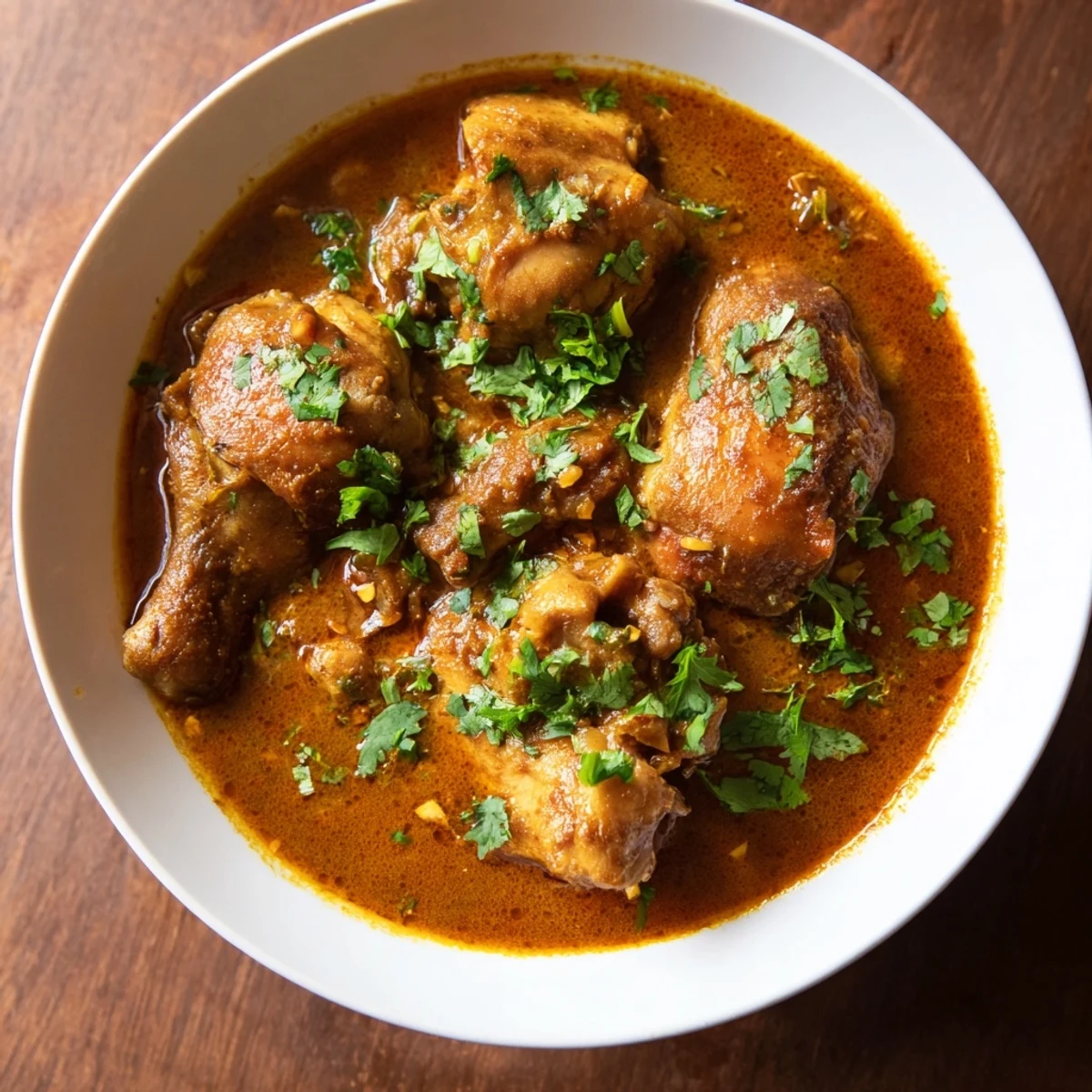
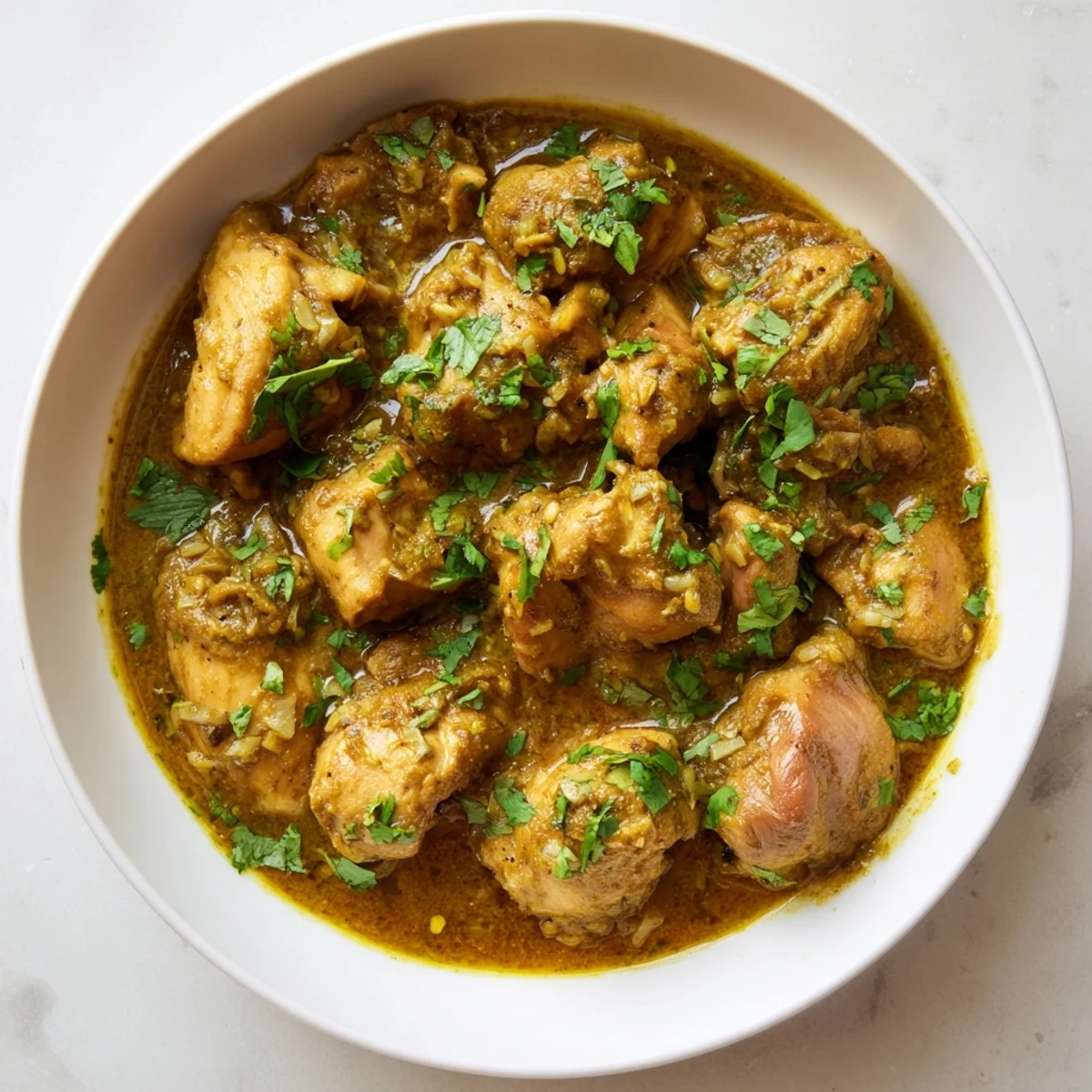
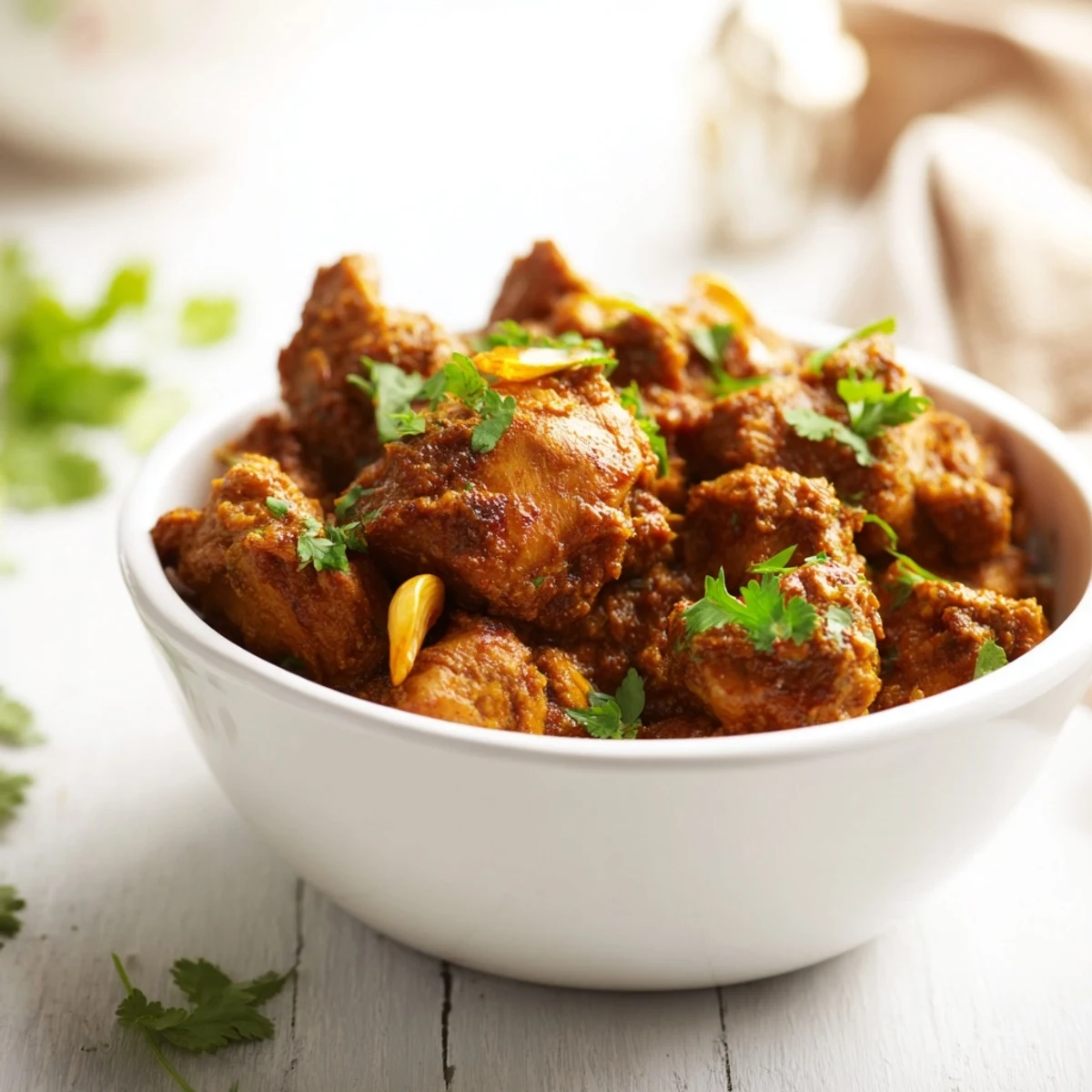
 This dish features tender chicken pieces simmered in a richly spiced curry sauce infused with garlic, ginger, and a blend of aromatic Indian spices. The sauce is enriched with creamy coconut milk and fresh tomatoes, simmered to develop depth and warmth. Perfectly balanced between heat and flavor, garnished with fresh cilantro and a hint of lime juice to brighten the palate. Ideal for weeknight dinners or those craving a hearty, flavorful main dish.
There's a particular Tuesday evening I won't forget—the kind where work dragged on, the kitchen felt uninviting, and I needed something that would taste like it took hours but wouldn't. That's when this spicy curry chicken came together in my pan, filling the small apartment with such warmth and complexity that my neighbor actually knocked to ask what smelled so incredible. Turns out, you don't need a cookbook's worth of steps or exotic ingredients you've never heard of to make something this good.
I made this for my sister on a random Sunday, and she sat at my kitchen counter taking bites straight from the pan while it was still simmering, asking me to repeat the steps because she wanted to recreate it at her place that week. That's the moment I knew this wasn't just another weeknight dinner—it was the kind of dish that makes people actually want to cook.
Ingredients
- Chicken thighs: Buy them boneless and skinless for ease, but don't skip them for chicken breast—thighs have enough fat to stay silky even as the sauce reduces and concentrates around them.
- Onion, garlic, and ginger: The aromatic foundation that makes your kitchen smell alive; don't rush this step because this is where the curry's depth actually lives.
- Fresh tomatoes: They break down into the sauce and add brightness; canned work in a pinch, but fresh ones give you that subtle sweetness that balances the heat.
- Curry powder: The star that ties everything together—check the label if you need gluten-free; some blends sneak in hidden ingredients.
- Cumin, coriander, chili powder, turmeric, cayenne, and garam masala: Each one pulls its weight; together they create layers of flavor that unfold as you eat rather than hitting you all at once.
- Coconut milk: This is the creamy, cooling element that lets the spice shine without overwhelming your mouth; full-fat makes the sauce silkier.
- Chicken stock or water: The liquid that lets everything braise together and mellow slightly without losing character.
- Vegetable oil: High heat tolerance is key here since we're sautéing before simmering.
- Cilantro and lime: The fresh finishing touches that wake everything up right before you eat; skip them and you'll feel like something's missing.
Instructions
- Get your base golden:
- Heat oil in a large pan over medium heat and add the onions, letting them soften and turn golden at the edges—this takes about 5 minutes and is the sweet spot where they're translucent but still holding their shape. You'll know you're there when the edges just start to caramelize.
- Wake up the aromatics:
- Stir in garlic and ginger and let them cook for about a minute until the raw edge disappears and the smell hits you like a warm invitation. Don't let them brown or they'll turn bitter.
- Toast your spices:
- Add all your dry spices and stir constantly for 1 to 2 minutes—this is the moment the curry powder loses its raw edge and becomes something fragrant and inviting. You'll feel the heat dry out the pan slightly, which means the spices are releasing their oils.
- Bring in the tomatoes:
- Add chopped tomatoes and let them cook down for about 4 minutes until they're soft and starting to break apart. This is when the sauce begins to feel cohesive rather than like separate ingredients in a pan.
- Brown the chicken:
- Add your bite-sized chicken pieces, season with salt, and let them cook for 5 to 6 minutes until they're lightly browned on the outside. You're not cooking them through yet—just creating a bit of color that adds depth.
- Build the sauce:
- Pour in the coconut milk and stock, scraping up all those browned bits stuck to the bottom of the pan because that's pure flavor. Stir everything together until it looks like a unified sauce rather than separate components.
- Let it simmer gently:
- Cover and reduce heat to low, letting the curry bubble gently for about 20 minutes, stirring occasionally. The chicken will become tender, the flavors will marry together, and your kitchen will smell incredible.
- Finish with depth:
- Remove the lid, stir in the garam masala, and let it simmer uncovered for about 5 more minutes to let the sauce thicken slightly and the final spice layer deepen. Taste and adjust the seasoning—add more salt if it's shy, more chili powder if you want more heat.
 Pin it
 What struck me most was watching someone who claimed they didn't cook take home the leftovers and text me the next day that they'd reheated it for lunch and were already planning to make it themselves. That's when I realized this dish isn't about complexity—it's about delivering genuine, layered flavor in the time it takes to watch a show.
Building Heat Without Overwhelming
The beauty of this curry is that the heat builds gradually rather than hitting you like a brick wall. The chili powder, cayenne, and fresh chilies (if you add them) work together to create warmth that spreads across your tongue rather than concentrating in one sharp jab. I learned this by making it for friends with different spice tolerances and realizing that starting conservative and letting people add more works better than the opposite.
Why Thighs Over Breast
Chicken breast has its place, but in a curry that simmers for 25 minutes, thighs are the smarter choice. They stay moist and tender because of their higher fat content, and they actually taste more like chicken in the finished dish rather than becoming bland placeholders. The first time I made this with breast meat, it was fine—but switching to thighs made it genuinely good.
Making It Your Own
Once you've made this once, you'll notice where you can bend the recipe to match your mood and what's in your fridge. The spice level is completely adjustable—add a fresh green chili if you want real heat, or dial back the cayenne if you're cooking for people who prefer gentleness. The beauty is that the base is solid enough to support your adjustments.
- Add a fresh chili (green or red) with the onions if you want the kind of heat that makes your eyes water a little.
- Stir in a dollop of yogurt at the end if you want creaminess that's not coconut, or a squeeze of lime juice if you want brightness instead.
- Serve it over rice, soak it up with naan, or eat it with roti—whatever feels right for your kitchen.
 Pin it
 This curry sits comfortably on my rotation because it delivers something that feels special without requiring me to clear my whole evening. It's the kind of dish that bridges that gap between weeknight convenience and weekend-cooking satisfaction.
Recipe Q&A
- → What cut of chicken works best?
-
Boneless, skinless chicken thighs are preferred for their tenderness and moisture, but chicken breast can be used for a leaner option.
- → Can I adjust the spice level?
-
Yes, modify the amount of chili powder and cayenne pepper according to your heat preference, or add a fresh chili while sautéing the onions.
- → What can I use instead of chicken stock?
-
Water is a suitable substitute if chicken stock is unavailable, though stock enhances depth of flavor in the sauce.
- → Is coconut milk necessary?
-
Coconut milk adds creaminess and richness to the curry sauce. You can use light coconut milk or a dairy alternative if preferred.
- → How do I serve this dish?
-
Serve with steamed basmati rice or warm naan bread to complement the spicy, aromatic flavors of the curry.