
 Pin it
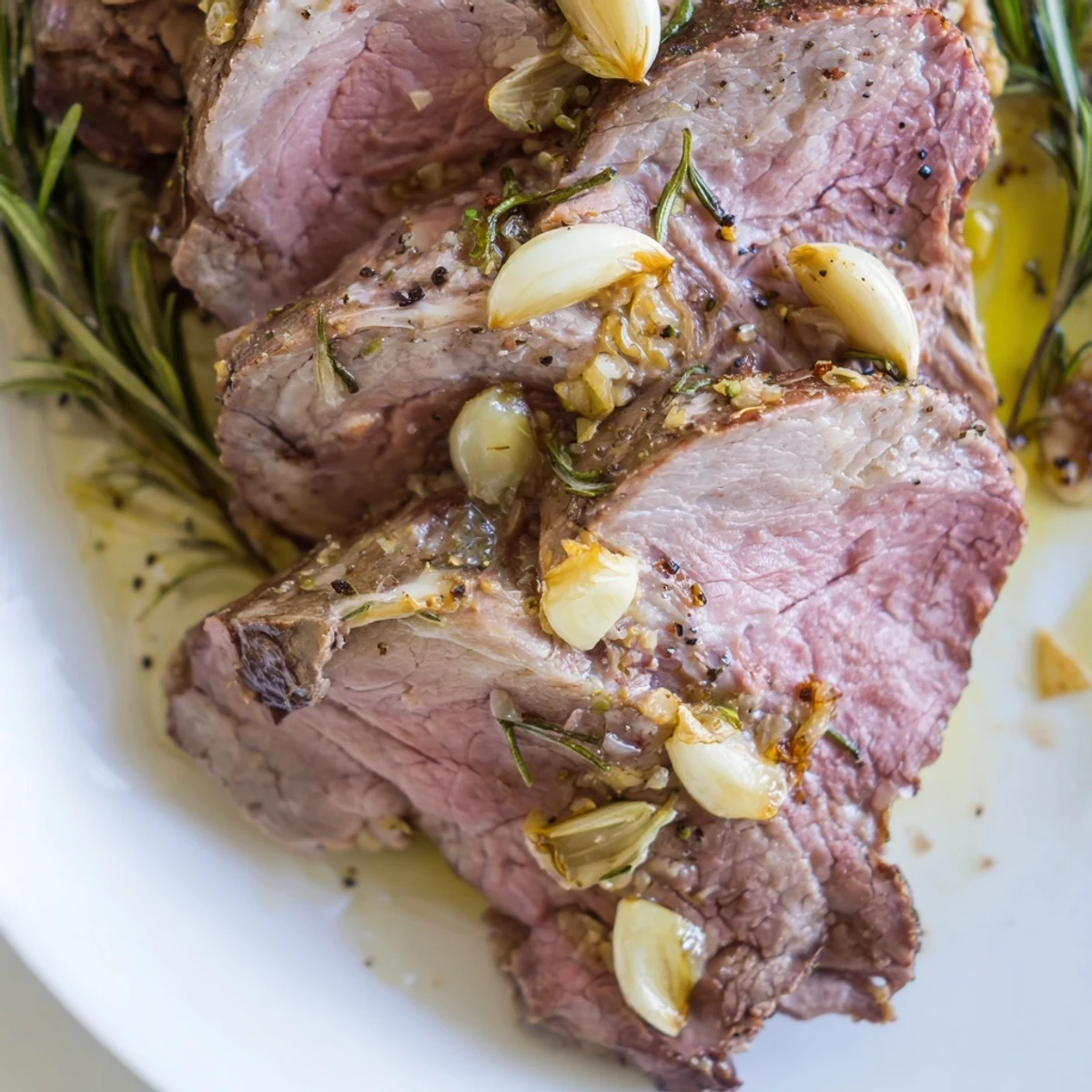
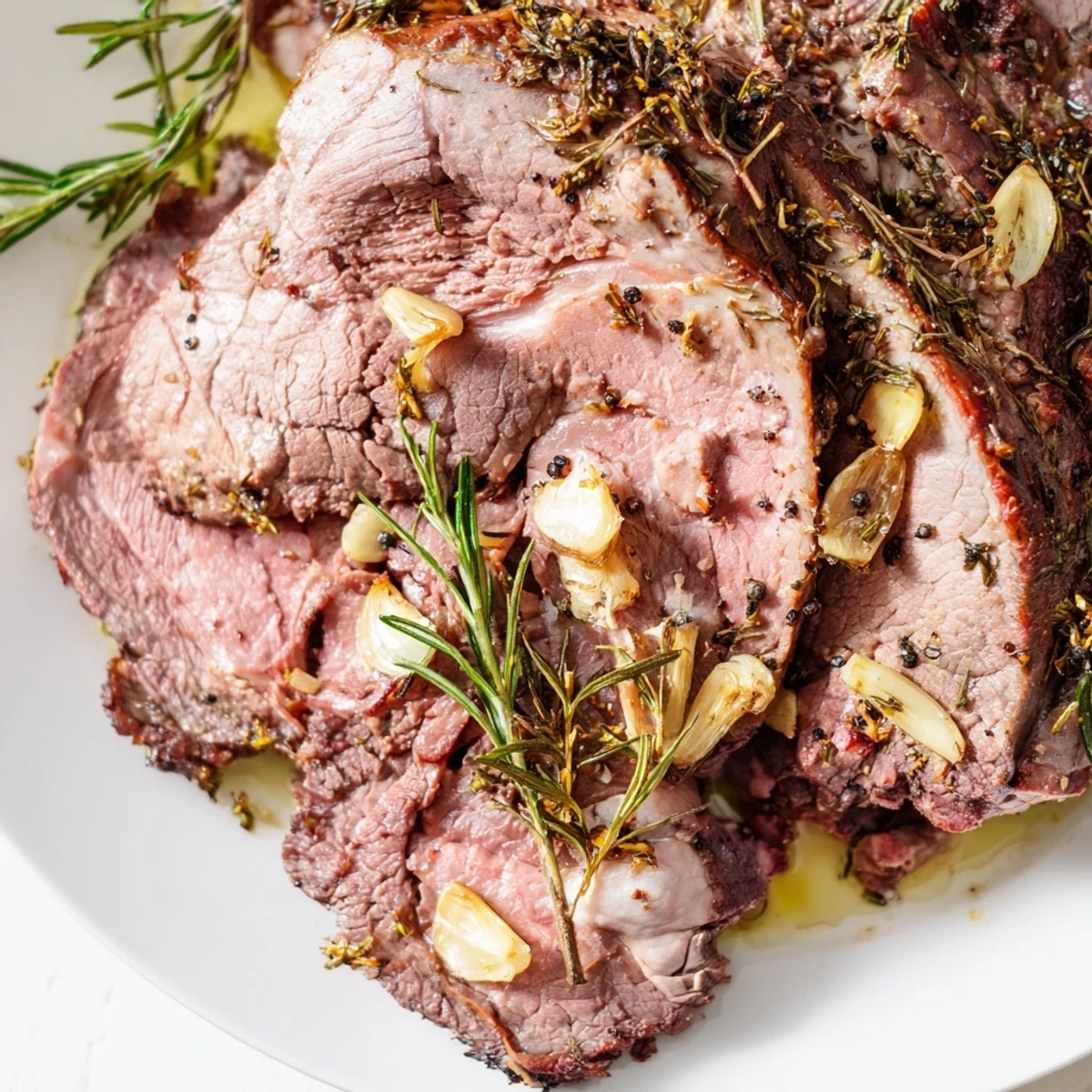
 This slow roasting approach creates a tender leg of lamb bursting with vibrant garlic and lemon flavors balanced by fresh herbs. The meat is prepared with deep slits to infuse aromatics throughout, then gently cooked at low heat for hours to achieve melt-in-the-mouth softness. Roasted vegetables and pan juices complement the dish, making it ideal for a satisfying main course. Resting before carving ensures juicy slices served with savory, herbaceous accents.
There's something about the smell of garlic and lemon hitting a hot pan that makes you stop and pay attention. I was testing recipes for a dinner party one spring, and a friend casually mentioned she'd never had lamb that didn't taste gamey. Something in that comment stuck with me, and I realized it wasn't the meat—it was the slow, patient cooking that transforms leg of lamb into something almost impossibly tender. This recipe came from wanting to prove that point, one roasted clove of garlic at a time.
I made this for my sister's birthday last October, and she brought her new partner who claimed to be skeptical about anything 'fancy.' Halfway through dinner, he went completely quiet—the kind of quiet that means the food is doing all the talking. That's when I knew the recipe worked.
Ingredients
- Leg of lamb (2–2.5 kg, bone-in): The bone conducts heat beautifully and gives you something to grip when carving, plus it flavors the pan juices in ways boneless cuts simply cannot.
- Olive oil (2 tbsp): Use something you'd actually drink; the better the oil, the cleaner the roast will taste.
- Garlic cloves (8, peeled and halved): These get nestled into slits and soften into sweet, nutty morsels rather than burning into bitterness.
- Lemons (2, zest and juice separated): The zest goes into the rub for brightness, the juice adds punch at the end—they work different kinds of magic.
- Fresh rosemary (2 tbsp, finely chopped) or dried (2 tsp): Rosemary and lamb are old friends; fresh has a piney edge, dried is deeper and almost smoky.
- Fresh thyme (1 tbsp) or dried (1 tsp): A quieter herb that softens the rosemary's intensity and adds earthiness without shouting.
- Kosher salt (2 tsp) and freshly ground black pepper (1 tsp): Don't skimp on the salt; it seasons the meat from the outside and helps it brown.
- Carrots (4 medium, chunked), onions (2, quartered), baby potatoes (500 g, halved): These vegetables roast alongside the lamb, soaking up all those drippings and turning golden at the edges.
- Dry white wine or low-sodium chicken broth (1 cup): Wine adds acidity and pairs beautifully with lamb; broth is gentler if you prefer.
Instructions
- Heat your oven low and steady:
- Set it to 150°C (300°F) so the lamb cooks gently enough to become tender rather than tough and shrunken. This slow temperature is your secret weapon.
- Dry the lamb thoroughly:
- Pat it completely dry with paper towels—moisture is the enemy of browning, and you want that savory crust. Don't rush this step.
- Make pockets for flavor:
- With a sharp knife, cut deep slits all over the leg, angling the blade so it goes in confidently. You're creating little cavities for the garlic and rosemary to nestle into.
- Stuff the slits:
- Tuck a garlic half and a pinch of rosemary into each slit, pushing them in gently but firmly so they don't tumble out during cooking.
- Make your herb paste:
- Mix olive oil, lemon zest, lemon juice, remaining rosemary, thyme, salt, and pepper in a bowl until it looks loose and fragrant. This is your anointing oil.
- Coat the lamb completely:
- Rub the herb mixture all over the surface, getting into every crevice and letting the paste cling to the meat. Your hands will smell incredible.
- Arrange the vegetables:
- Scatter carrots, onions, and potatoes in a large roasting pan in a rough layer, then set the lamb on top like a king on a throne. These vegetables break the pan's heat, preventing sticking.
- Add liquid for moisture:
- Pour wine or broth into the bottom of the pan around (not over) the lamb, creating a gentle steaming environment inside the oven.
- Cover and slow-roast:
- Tightly cover the pan with foil and roast for 2.5 hours, resisting the urge to peek too often. The foil traps steam, keeping everything incredibly moist.
- Finish with color and heat:
- Remove the foil, bump the temperature to 200°C (400°F), and roast uncovered for 30 minutes until the lamb browns beautifully and the vegetables caramelize at the edges.
- Rest before carving:
- Lift the lamb onto a cutting board, loosely cover it with foil, and let it rest for 15 minutes so the juices redistribute. This patience makes the difference between juicy and dry.
- Serve with reverence:
- Slice the lamb, arrange it with the roasted vegetables, and pour the savory pan juices over everything. Each component has earned its place on the plate.
 Pin it
 My mother watched me make this once and said it was the first time she'd seen me actually enjoy the waiting part of cooking. She was right—there's something meditative about slow roasting, about trusting the oven to do the work while you breathe in the smell of herbs and meat and lemon.
Why This Method Works
Low and slow roasting breaks down the lamb's connective tissue gradually, turning potential toughness into tenderness. The covered phase builds steam around the meat, keeping it moist while the vegetables underneath stay from sticking and burning. The uncovered finish lets the exterior dry out just enough to brown, creating contrast between crust and interior. By the time the oven is done, the whole pan has become a unified dish rather than meat surrounded by sides.
Timing and Temperature Matter
The 150°C (300°F) temperature might feel unnecessarily low, but it's the difference between tender and chewy. If your oven runs hot, check the lamb at 2 hours—every oven is different, and lamb around 2 to 2.5 kg typically reaches perfect doneness (medium-rare to medium) right around the 2.5-hour mark. The final browning phase at the higher temperature happens quickly, so don't leave the kitchen once the foil comes off.
Wine Pairing and Final Touches
A full-bodied red wine like Syrah or Cabernet Sauvignon amplifies the lamb's richness without fighting it. If you want more lemon brightness at the table, squeeze fresh lemon juice over individual servings just before eating. Sweet potatoes, parsnips, or turnips swap beautifully for regular potatoes if you want to ring changes on the vegetables.
- Save the pan juices; they're liquid gold for dipping bread or spooning over vegetables.
- Leftover lamb shreds beautifully and makes incredible sandwiches or grain bowls the next day.
- If you're nervous about doneness, a meat thermometer reading 55–60°C (130–140°F) for medium-rare is your target.
 Pin it
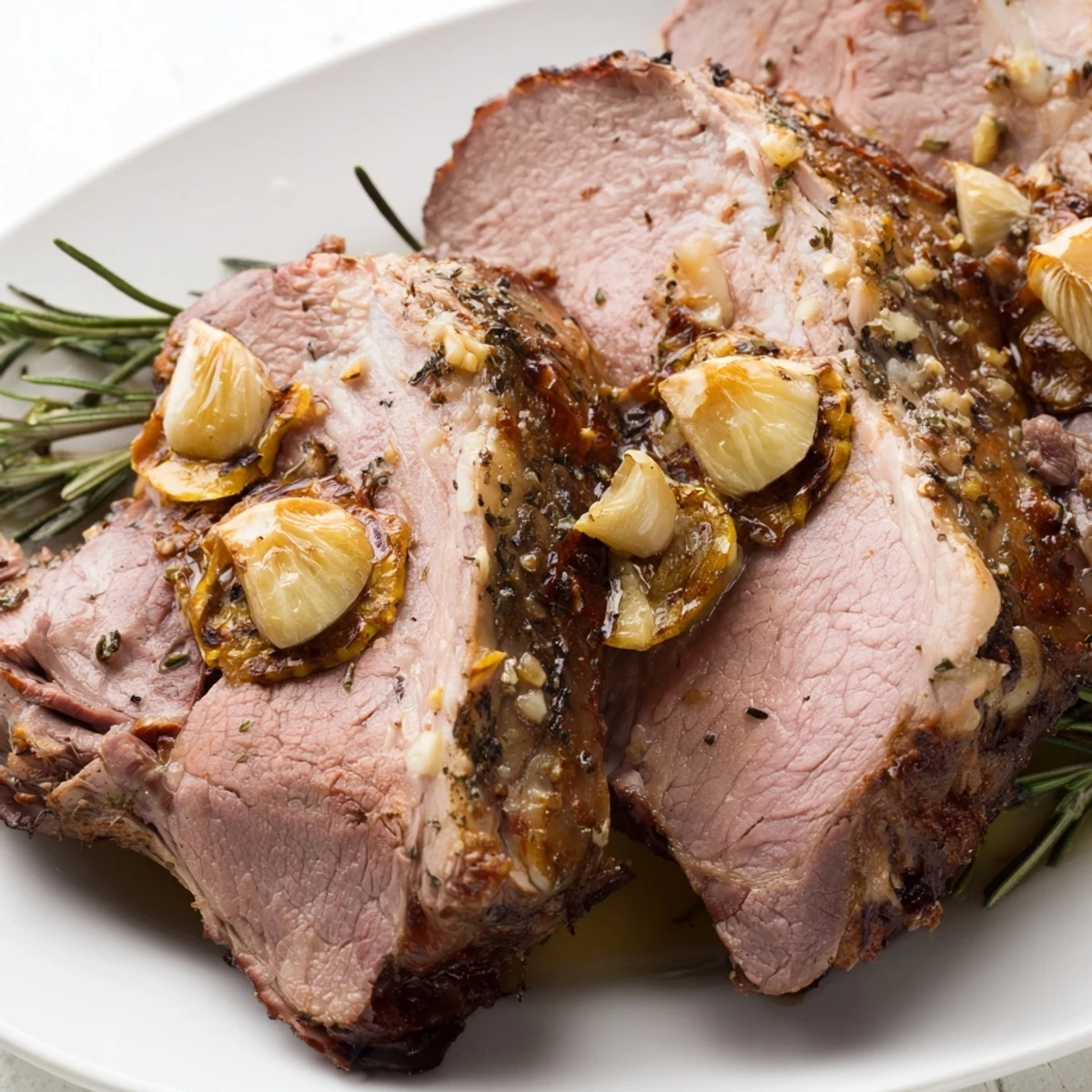
 This is the kind of recipe that becomes a moment—not just something you cook, but something you share with people you want to impress or simply feed well. It's worth making.
Recipe Q&A
- → How do deep slits enhance the flavor?
-
Deep slits allow garlic and rosemary to penetrate deeply, infusing the meat with rich, aromatics during slow cooking.
- → Why roast at a low temperature initially?
-
Slow roasting at low heat ensures gradual cooking, making the lamb tender and preserving moisture throughout.
- → Can I substitute vegetables served alongside?
-
Yes, baby potatoes can be swapped for sweet potatoes or parsnips, adjusting cooking time slightly as needed.
- → What is the purpose of resting the meat before carving?
-
Resting allows juices to redistribute, resulting in a more flavorful and moist final serving.
- → How does lemon affect the overall taste?
-
Lemon zest and juice add bright, fresh acidity that balances the richness of the lamb and herbs.