
 Pin it
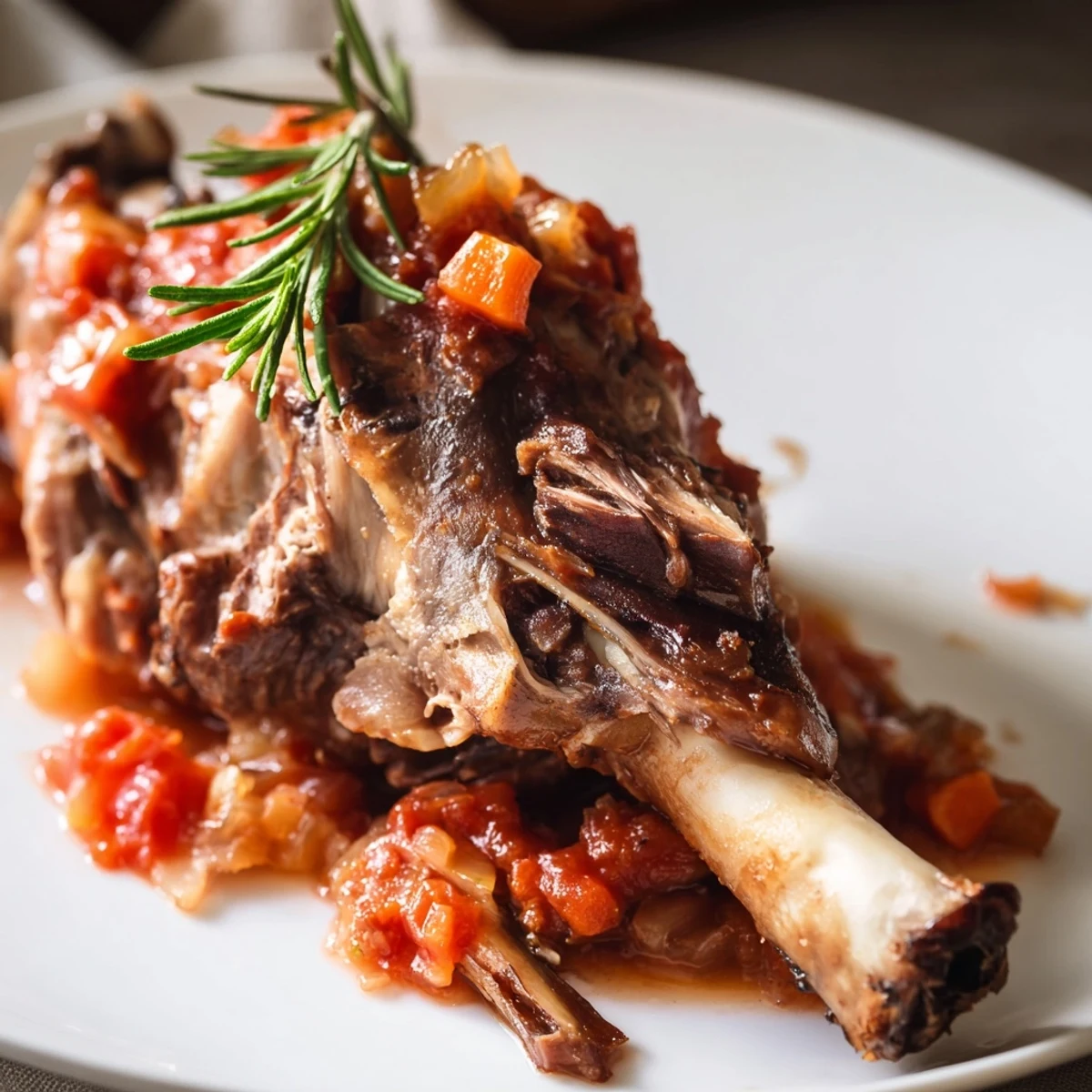
 Slow-cooked lamb shanks are braised gently in a hearty tomato and herb sauce, allowing the meat to become melt-in-your-mouth tender. The process involves searing the meat, sautéing vegetables and garlic to build flavor, then combining with crushed tomatoes, wine, and fragrant herbs. Cooking low and slow for several hours ensures deep savory notes develop throughout the dish. Perfect paired with creamy mashed potatoes or crusty bread for a comforting Mediterranean main course.
There's something almost meditative about watching lamb shanks transform over hours in the oven, the kitchen filling with the smell of wine, tomatoes, and herbs that makes everything else fade away. I discovered this dish during a particularly cold November when I needed comfort food that didn't feel rushed, and it became the one meal I'd return to whenever the weather turned. The meat becomes so tender it falls from the bone with barely a touch, and the sauce deepens into something rich enough to justify serving with crusty bread and nothing else. It's become my go-to for impressing people who think they don't like lamb.
I made this for a small dinner party where I was genuinely nervous about the main course, and I remember checking on it obsessively the first hour before finally sitting down to actually talk to my guests. By the time we ate, everyone was so drawn in by the smell that they were ready to eat it straight from the pot, and I realized halfway through the meal that nobody was really talking about anything except how good it was. That's when I knew this recipe had staying power.
Ingredients
- Lamb shanks (4 pieces, 350–400 g each): These are forgiving cuts that only get better with long, slow cooking; ask your butcher to trim excess fat, which keeps the sauce clean and silky.
- Onions, carrots, celery (2 medium onions, 3 carrots, 3 stalks): This aromatic base does the heavy lifting in building flavor; don't skip the sautéing step, as it mellows and sweetens these vegetables.
- Garlic (4 cloves, minced): Fresh garlic mellows into sweet, rounded notes during long cooking; jarred garlic will leave a sharp edge.
- Crushed tomatoes (400 ml): Canned is actually better here than fresh because the tomatoes have already broken down and concentrated their flavor.
- Beef or lamb stock (250 ml): This adds body to the sauce; if you use chicken stock, the whole thing becomes lighter and less satisfying.
- Dry red wine (120 ml): The wine cooks off but leaves behind deep, slightly tannic notes; use something you'd actually drink, not cooking wine.
- Tomato paste (2 tbsp): This concentrates tomato flavor and adds a subtle richness that you can't replicate with more crushed tomatoes alone.
- Fresh rosemary and thyme (2 sprigs each): Fresh herbs taste brighter than dried; if you only have dried, use 1 teaspoon rosemary and 1 teaspoon thyme.
- Bay leaves, oregano, salt, pepper (2 bay leaves, 1 tsp oregano, 1.5 tsp salt, 0.5 tsp pepper): These seasonings work together to create depth without any single flavor standing out too loudly.
- Olive oil (2 tbsp): Good olive oil matters here since you're tasting it through every element of the dish.
Instructions
- Get your oven ready:
- Preheat to 160°C (320°F) so the heat is gentle and even; if you're using a slow cooker, have it on hand instead.
- Season the lamb generously:
- Salt and pepper on all sides right before searing, which helps the meat brown evenly and absorb seasoning.
- Sear the shanks until they're golden:
- Heat olive oil in your Dutch oven over medium-high heat, then work in batches if needed so you're not crowding the pan; listen for the sizzle and look for a deep brown crust on each side, which takes about 8 minutes total. This step adds flavor that you can't skip.
- Build the sauce base with vegetables:
- Add onions, carrots, and celery to the same pot and let them soften for 5–7 minutes, scraping up all those browned bits from the lamb; the vegetables should start to caramelize slightly at the edges. Add garlic and let it toast for just 1 minute so it doesn't turn bitter.
- Add tomato paste and deglaze:
- Stir in the tomato paste and cook for 1 minute until it darkens slightly and smells almost sweet, then pour in the red wine and scrape the bottom of the pot with a wooden spoon to release everything stuck there. Simmer for 2 minutes so the wine softens and the alcohol cooks off.
- Build the braising liquid:
- Pour in the crushed tomatoes and stock, then add the rosemary, thyme, bay leaves, and oregano; give everything a good stir so the herbs distribute evenly throughout.
- Return the lamb and braise low and slow:
- Nestle the lamb shanks back into the pot so they're partly submerged in the sauce, bring everything to a gentle simmer, then cover tightly with a lid and transfer to the oven. Let it cook undisturbed for 2.5–3 hours in the oven (or 7–8 hours on low in a slow cooker) until the meat is so tender it's falling away from the bone.
- Finish and thicken the sauce:
- Carefully remove the lamb shanks and tent them loosely with foil to keep them warm, then skim any excess fat from the surface of the sauce with a spoon or ladle. If you want a thicker sauce, simmer it uncovered on the stovetop for 10–15 minutes until it coats a spoon lightly.
- Serve with warmth:
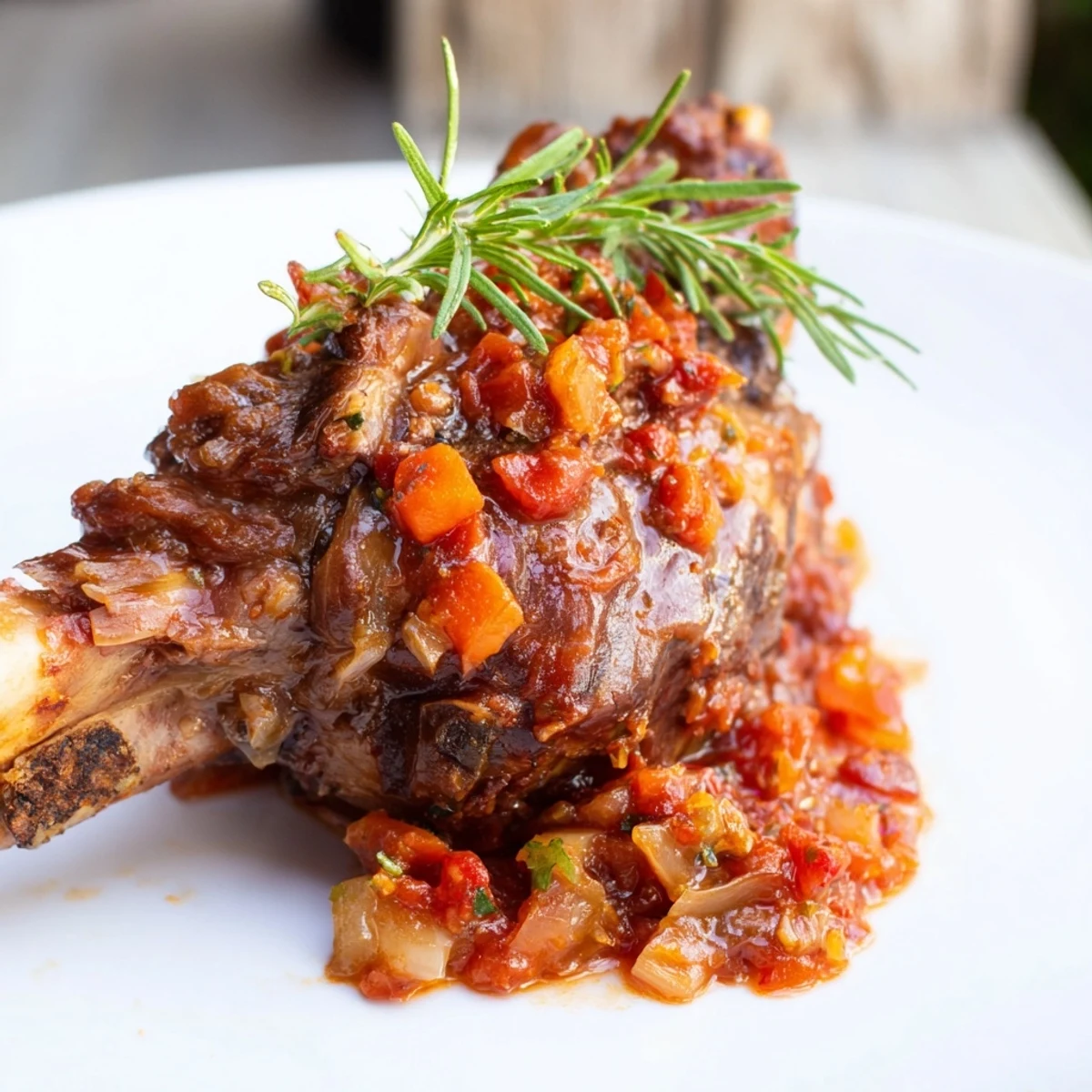
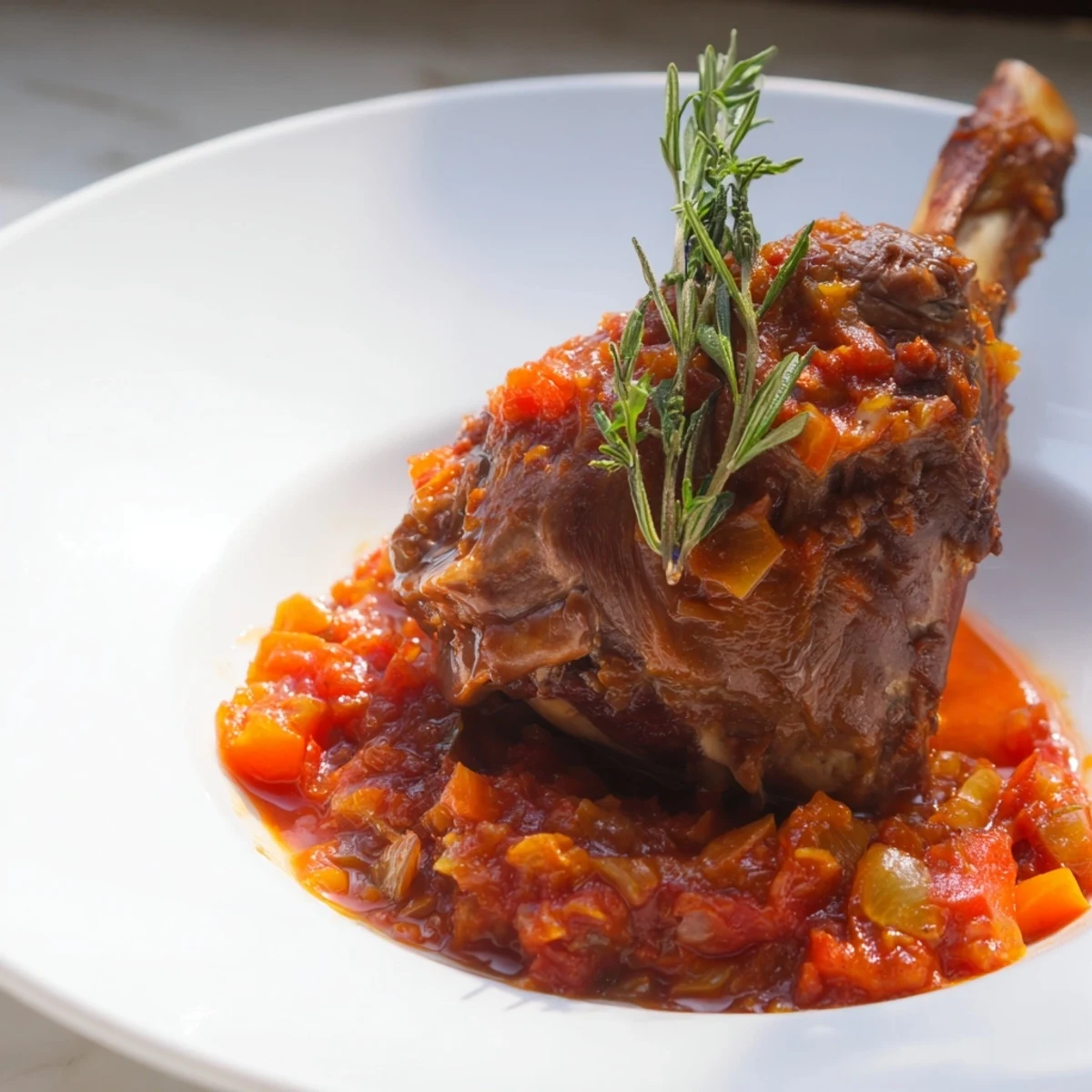
- Spoon the sauce over the lamb and garnish with fresh herbs if you have them on hand.
 Pin it
 Years later, I still remember my grandmother tasting this and saying it was one of those dishes that somehow tastes better than it should, which I think is the highest compliment a home cook can get. It's become the meal I make when I want to feel like I know what I'm doing in the kitchen.
Why This Works as a Centerpiece
Lamb shanks have enough character and flavor that they don't need much accompaniment, just something to soak up the sauce. The long, slow cooking breaks down the connective tissue in the meat, which is what makes it so impossibly tender, and it also allows all the flavors to meld into something cohesive and deep. Unlike quick-cooking proteins, this dish actually improves if you let it rest overnight and reheat it, making it perfect for cooking ahead.
Scaling and Substitutions
This recipe doubles beautifully if you're feeding more people, though you'll need a larger pot and might need to add 15–20 minutes to the cooking time. If lamb isn't available or is outside your budget, beef shanks work just as well and will braise in about the same timeframe. For a lighter version, you can use less wine and more stock, though you'll lose some of that savory complexity.
Making It Your Own
This is a recipe that welcomes small additions without falling apart; I've added a strip of orange zest for brightness, a pinch of chili flakes for subtle heat, and sometimes a small spoonful of balsamic vinegar to deepen the tomato notes. The beauty of a braise is that it's forgiving enough to accommodate your instincts.
- If you have fresh herbs like parsley or basil, scatter them over the finished dish right before serving for a fresh contrast to the deep sauce.
- Serve alongside creamy mashed potatoes, soft polenta, or thick slices of crusty bread so nothing goes to waste.
- Any leftover sauce keeps in the refrigerator for nearly a week and tastes even better reheated.
 Pin it
 This dish is worth the time it takes because the result is something that tastes like you've been cooking all day, even when you've mostly just been waiting. Once you've made it once, it becomes the kind of recipe you return to again and again.
Recipe Q&A
- → How do I achieve tender lamb shanks?
-
Slow cooking the lamb shanks over low heat for several hours breaks down connective tissues, resulting in tender, flavorful meat that easily falls off the bone.
- → Can I use a slow cooker instead of an oven?
-
Yes, slow cookers work well. Set to low heat and cook for 7-8 hours to achieve similar tenderness and flavor as the oven method.
- → What herbs enhance the sauce's flavor?
-
Fresh rosemary, thyme, bay leaves, and dried oregano infuse the tomato sauce with aromatic herbal notes that complement the lamb.
- → Is it necessary to sear the lamb before braising?
-
Searing the lamb shanks browns the meat, enhancing the flavor and adding depth to the finished dish before slow cooking.
- → How can I thicken the sauce if needed?
-
After removing the lamb, simmer the sauce uncovered on the stovetop for 10–15 minutes to reduce and thicken to your preference.