
 Pin it
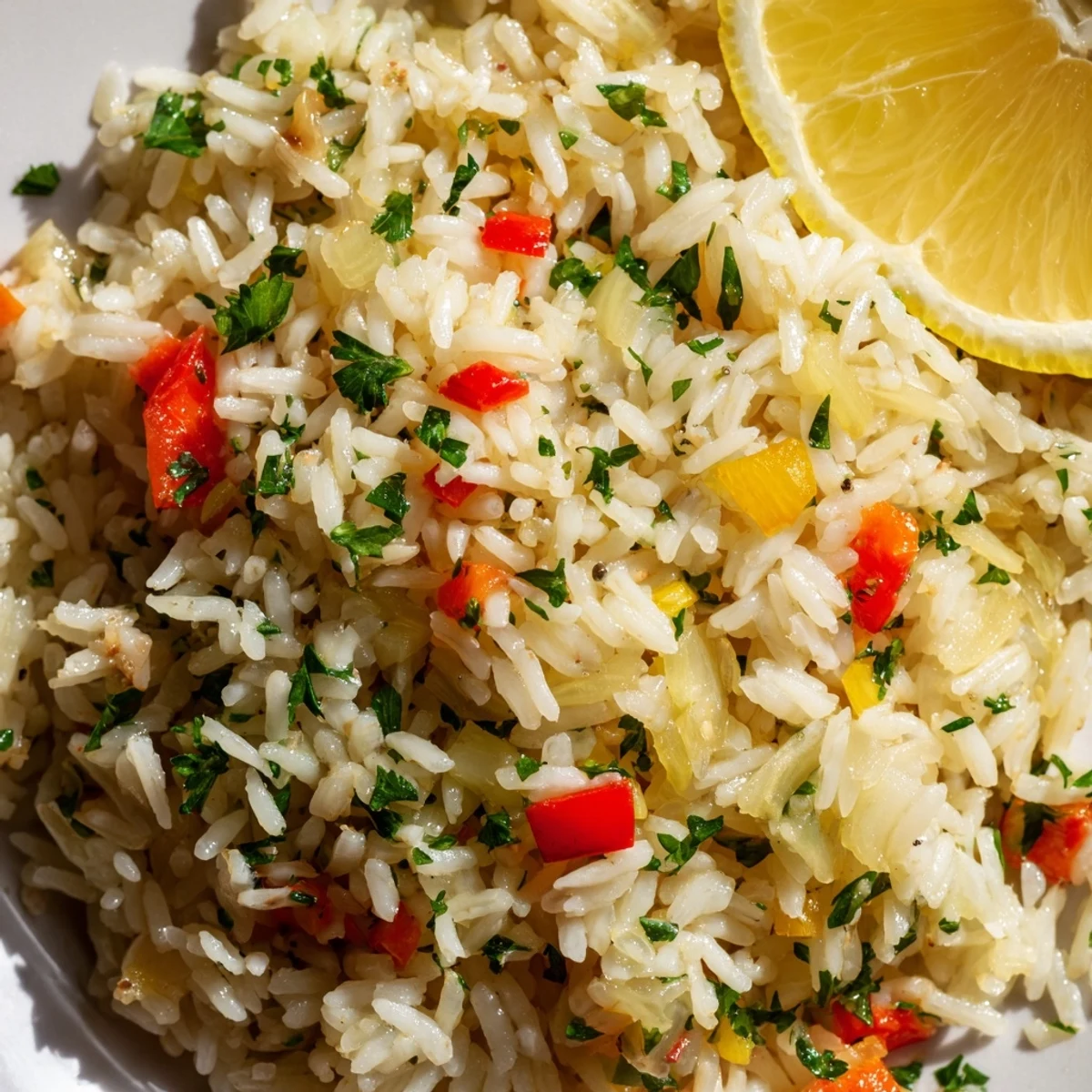
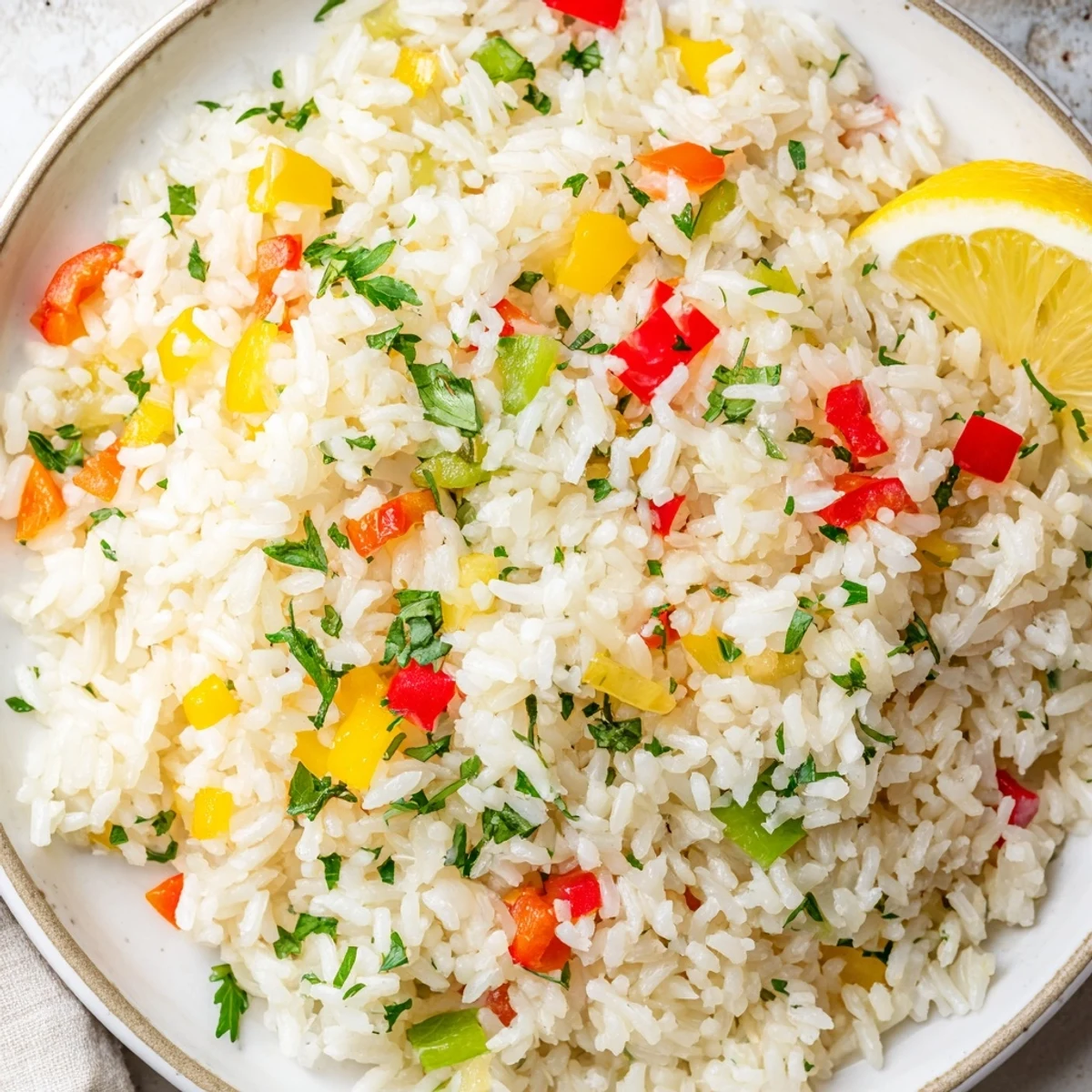
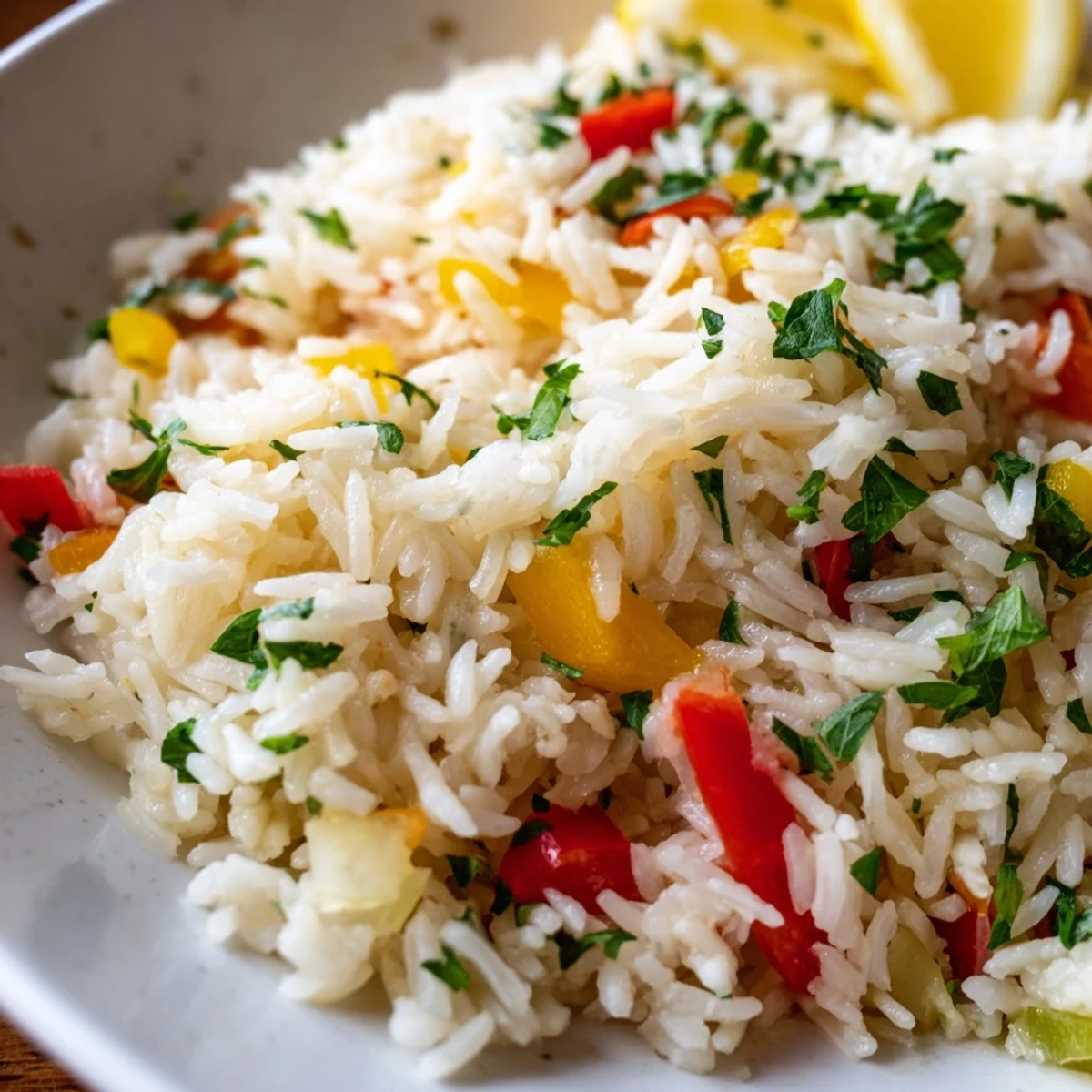
 This vibrant rice pilaf combines long-grain rice with sautéed yellow onion, red and green bell peppers, and garlic, cooked in a savory vegetable broth. The dish is infused with subtle notes of thyme and seasoned with salt and pepper, offering a delicate balance of flavors. After simmering until tender, it’s garnished with fresh parsley and served with lemon wedges to brighten the palate. This easy-to-make Mediterranean-inspired side pairs well with a variety of main dishes or can stand alone for a light meal.
The first time I made rice pilaf, I was trying to impress a new roommate who had grown up eating the real thing in her grandmother's kitchen. I stood over the stove, nervously stirring, convinced I'd somehow mess up something as simple as rice. When she took that first bite and asked for seconds, I realized this dish wasn't about perfection—it was about letting simple ingredients shine together.
Last summer, I served this at a backyard barbecue alongside grilled chicken. My friend's daughter, who usually refuses anything with visible vegetables, went back for thirds and asked if I could make it for her birthday party. Sometimes the simplest dishes are the ones that win people over.
Ingredients
- 1 medium yellow onion, finely chopped: Yellow onions become sweeter and more mellow as they cook, forming the flavor backbone of the entire dish
- 1 red bell pepper, diced: Red peppers bring natural sweetness and a gorgeous pop of color against the white rice
- 1 green bell pepper, diced: Green peppers add a slight bitterness that balances the sweetness of the red ones
- 2 cloves garlic, minced: Fresh garlic transforms in the hot oil, perfuming the entire kitchen
- 1 cup long-grain white rice, rinsed: Basmati or jasmine work beautifully here, and rinsing removes excess starch for fluffier results
- 2 cups vegetable broth: Use a good quality broth you'd drink on its own, since the rice absorbs every nuance
- 2 tbsp olive oil: This coats the rice grains, helping them stay separate and tender
- 1 tsp salt, or to taste: Salt the rice while cooking rather than at the end for even seasoning throughout
- 1/4 tsp freshly ground black pepper: Freshly ground has more bite and complexity than pre-ground
- 1/2 tsp dried thyme: Optional, but adds an earthy, Mediterranean note that ties everything together
- 1 bay leaf: A humble leaf that infuses subtle aromatic magic as the rice simmers
- 2 tbsp fresh parsley, chopped: Fresh parsley sprinkled on top adds brightness and makes the dish look inviting
- Lemon wedges: A squeeze of lemon right before serving wakes up all the flavors
Instructions
- Start the foundation:
- Heat olive oil in a medium saucepan over medium heat until it shimmers slightly, then add the chopped onion. Sauté for 2 to 3 minutes until the onion turns translucent and fragrant, stirring occasionally to prevent sticking.
- Add the peppers:
- Stir in the diced red and green peppers, cooking for another 3 to 4 minutes until they're tender and starting to caramelize at the edges. The kitchen should smell amazing right about now.
- Wake up the garlic:
- Add the minced garlic and sauté for just 30 seconds until you catch its aroma, being careful not to let it brown or it will turn bitter.
- Toast the rice:
- Pour in the rinsed rice and stir constantly for 1 to 2 minutes, coating every grain with the flavored oil and toasting it slightly. Listen for the faint popping sound that tells you the rice is ready.
- Add the liquid:
- Pour in the vegetable broth, then add the salt, pepper, thyme if using, and the bay leaf. Stir once to combine everything, then bring it to a gentle boil.
- Let it simmer:
- Reduce heat to low, cover tightly, and simmer for 15 to 18 minutes. Resist the urge to peek—keeping the steam trapped is essential for perfectly cooked rice.
- Rest the rice:
- Remove from heat and let stand, still covered, for 5 minutes. This final resting period allows the moisture to redistribute evenly throughout the rice.
- Finish and serve:
- Discard the bay leaf, fluff the rice with a fork, and sprinkle with fresh parsley. Serve warm with lemon wedges on the side for guests to squeeze over their portions.
 Pin it
 This recipe has become my go-to whenever I need to feed a crowd without spending hours in the kitchen. It's the dish that disappears first, and someone always asks for the recipe while still chewing their first bite. There's something deeply satisfying about turning humble ingredients into something people genuinely rave about.
Making It Your Own
I've discovered that this recipe welcomes substitutions like an old friend accepts changes in plans. Sometimes I'll swap in diced carrots or frozen peas for the peppers, or add a pinch of saffron to the broth for that golden Persian-inspired hue. The method stays the same, but the character shifts with whatever vegetables I have on hand.
The Toasting Secret
That minute spent toasting the rice in the oil before adding liquid is what separates restaurant-quality pilaf from plain boiled rice. The grains develop a subtle nuttiness and hold their shape better, giving each spoonful a satisfying texture. I learned this from watching a chef friend cook, and it changed my rice game forever.
Perfect Pairings
This pilaf plays nicely with so many main courses that it has become my reliable backup for almost any meal. The Mediterranean flavors make it especially good alongside grilled fish, roasted chicken, or as part of a vegetarian spread with hummus and roasted vegetables. It's substantial enough to stand alone as a light main with a simple salad on busy weeknights.
- Try it with grilled halloumi and olives for a complete vegetarian dinner
- Pair with roasted salmon and a squeeze of extra lemon
- Use it as a base for grain bowls with chickpeas and tzatziki
 Pin it
 There's something deeply comforting about a dish that transforms simple ingredients into something greater than the sum of its parts. This rice pilaf has fed me through busy weeks, celebratory dinners, and quiet Tuesday nights when I needed something warm and nourishing on the table fast.
Recipe Q&A
- → Can I use different types of rice for this dish?
-
Yes, long-grain varieties like basmati or jasmine work best due to their fluffy texture, but you can experiment with other white rices for a similar result.
- → How can I enhance the flavor of this pilaf?
-
To enhance flavor, toast the rice in olive oil before adding broth, or add spices like saffron or turmeric for color and aroma.
- → Is it possible to substitute the bell peppers?
-
Absolutely, you can swap bell peppers with other colorful vegetables such as carrots or peas to vary the taste and appearance.
- → What is the best way to achieve a fluffy texture in this rice pilaf?
-
Simmer gently and avoid lifting the lid during cooking. After cooking, let it rest covered and fluff with a fork before serving.
- → Can this dish be prepared gluten-free?
-
Yes, as long as you use a gluten-free vegetable broth and confirm all ingredients contain no gluten, this dish suits gluten-free diets.