
 Pin it
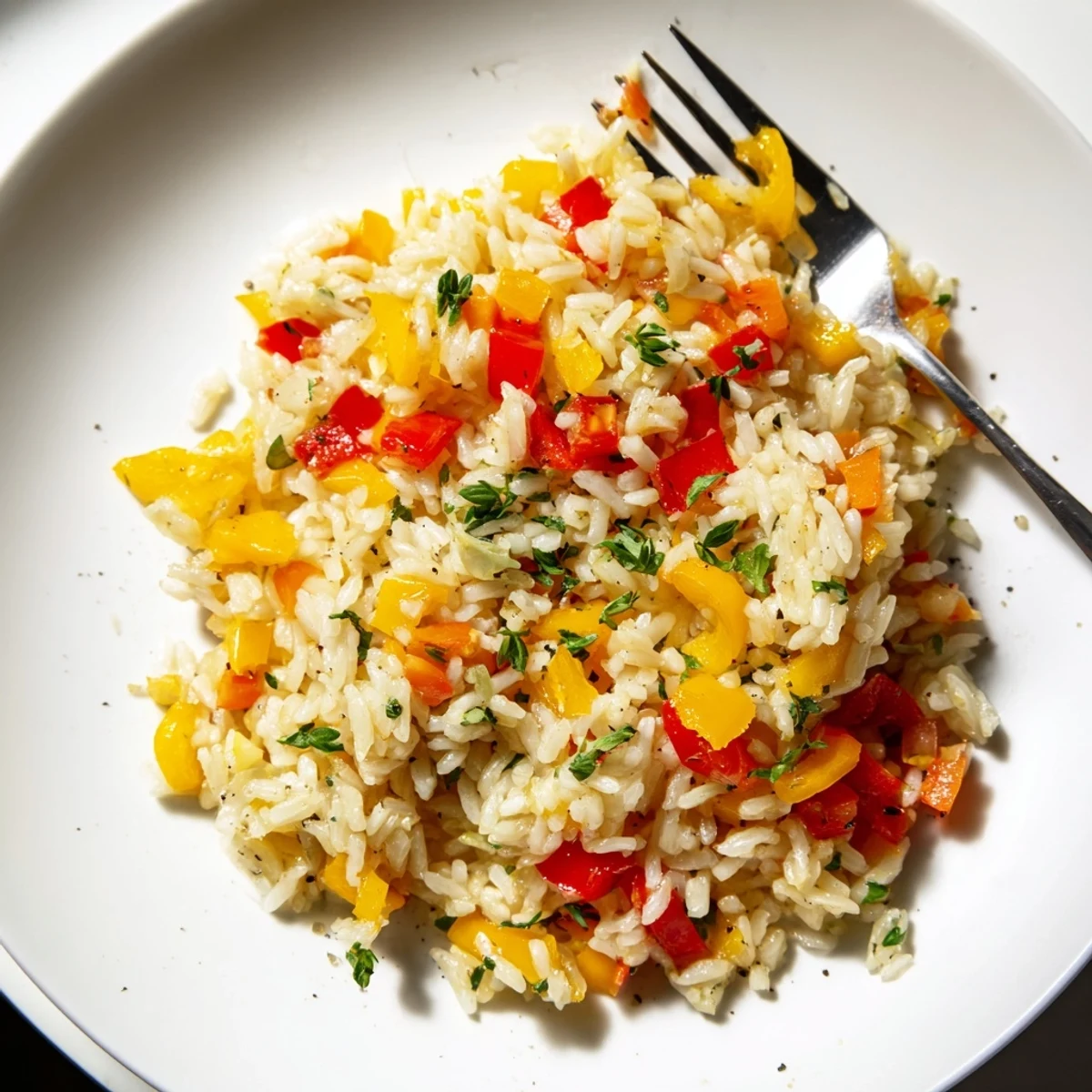
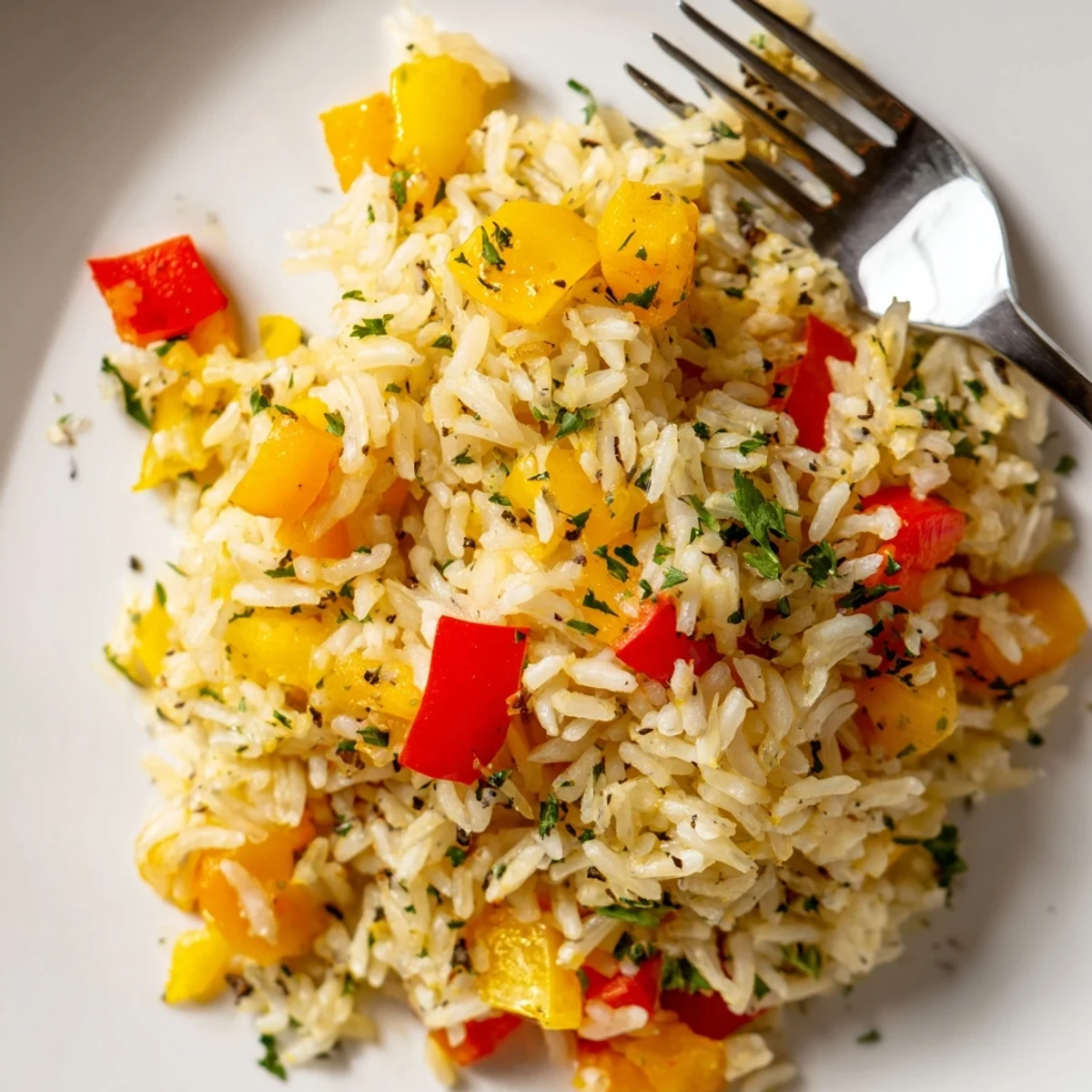
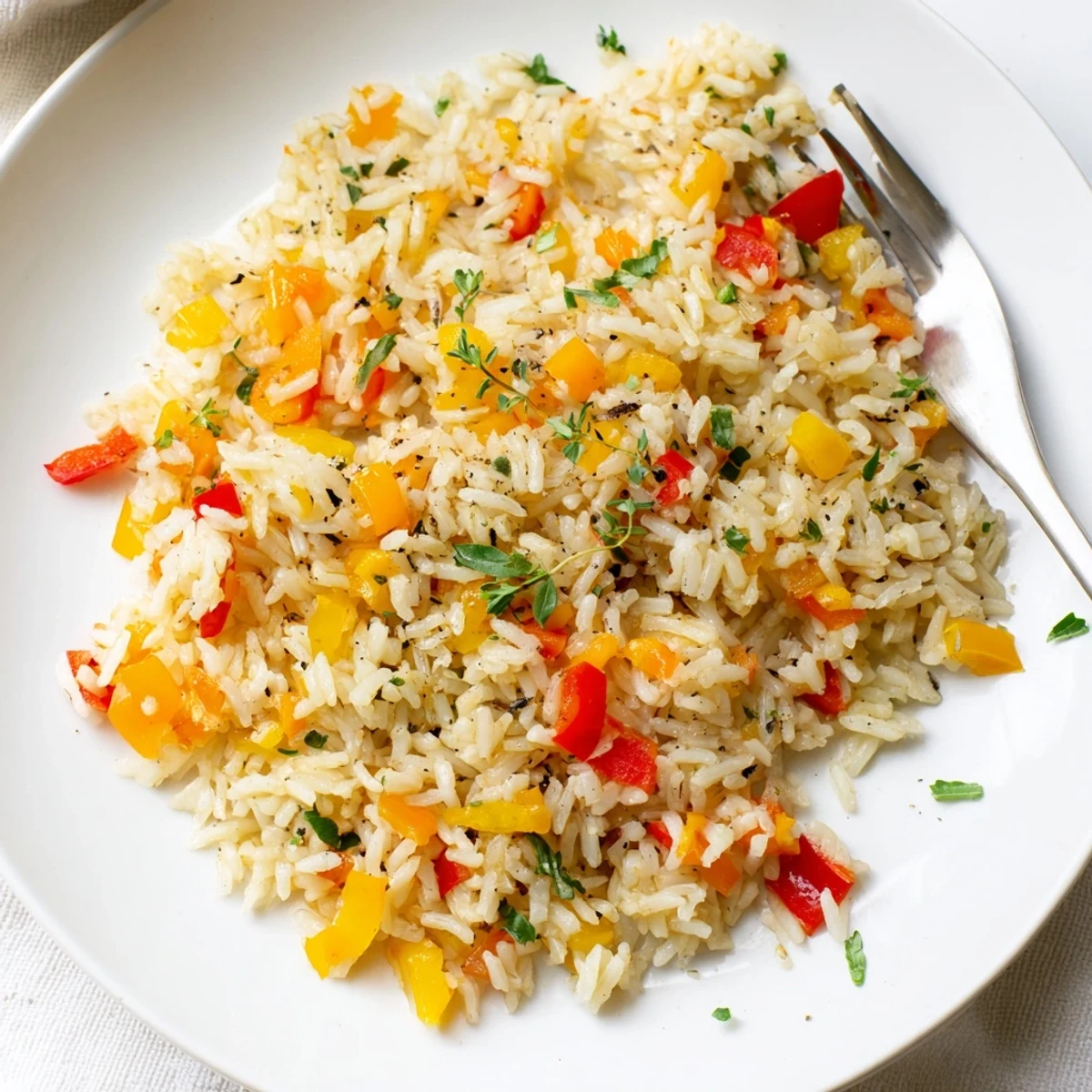
 This vibrant rice pilaf features long-grain rice cooked with sautéed onions and a mix of red and yellow bell peppers, enhanced by garlic and herbs. Simmered gently in savory broth, the dish offers a tender, fluffy texture with layers of natural sweetness and aromatic flavor. Ideal as a side or light main, it's garnished with fresh parsley for a refreshing finish. Simple techniques bring out the colors and balance in every bite.
Preparation involves rinsing rice thoroughly, sautéing the vegetables until tender and fragrant, then cooking everything gently in broth until the rice is soft and infused with the seasonings. Letting it rest before fluffing helps achieve perfect texture.
The first time I made rice pilaf, I was shocked that something so simple could taste so sophisticated. My grandmother had mentioned toasting the rice grains first, and the nutty aroma that filled her tiny kitchen has stuck with me for decades. Now this pepper-studded version lives in my regular dinner rotation, especially when I need something colorful but dont want to think too hard.
Last summer my neighbor came over while I had a pot simmering on the stove. She kept asking what spices I was using, looking genuinely baffled when I said it was mostly just technique and a few bell peppers. We ended up eating straight from the pan while standing at the counter, talking way too late into the evening about nothing much at all.
Ingredients
- 1 cup long-grain white rice: Basmati or jasmine work beautifully here, and rinsing until the water runs clear prevents gummy results
- 1 medium yellow onion: Finely chopped so it melts into the rice rather than staying in distinct pieces
- 1 red bell pepper and 1 yellow bell pepper: The duo adds sweetness and makes the final dish look like something from a restaurant kitchen
- 2 cloves garlic: Minced fresh adds the best punch, though garlic powder works in a pinch
- 2 cups low-sodium vegetable broth: Allows you to control the salt level while building flavor from the bottom up
- 1 tablespoon olive oil: Just enough to coat the rice grains for that essential toasting step
- 1 teaspoon salt and 1/4 teaspoon black pepper: Adjust these based on your broth and personal taste
- 1/2 teaspoon dried thyme: Completely optional but adds a lovely earthy layer
- 1 bay leaf: The classic pilaf secret weapon, infusing subtle aromatic magic
- 2 tablespoons fresh parsley or cilantro: A bright finish that makes everything taste fresher
Instructions
- Prep the rice properly:
- Rinse under cold water until it runs clear, then drain well—this single step makes the difference between fluffy and gummy rice
- Build your flavor base:
- Heat olive oil in a medium saucepan over medium heat, then sauté the chopped onion for 2 to 3 minutes until translucent and fragrant
- Add the peppers:
- Stir in the diced bell peppers and cook for another 3 to 4 minutes until theyve softened but still hold their shape
- Wake up the garlic:
- Toss in the minced garlic and let it sizzle for just 30 seconds—you want it fragrant, not browned or bitter
- Toast the rice:
- Add the drained rice and stir constantly for about 2 minutes until the grains look slightly opaque and smell wonderfully nutty
- Add everything else:
- Pour in the vegetable broth, then add the salt, pepper, thyme if using, and tuck in the bay leaf
- Simmer to perfection:
- Bring to a gentle boil, then cover tightly, reduce heat to low, and cook for 15 to 18 minutes until the liquid disappears
- Let it rest:
- Remove from heat and keep covered for 5 minutes—this crucial step lets the rice finish cooking evenly
- Finish and serve:
- Discard the bay leaf, fluff gently with a fork, scatter with fresh herbs, and watch people suddenly get very interested in the side dish
 Pin it
 My daughter claimed she hated rice until she tried this version at age eight. Now she requests it specifically whenever we have grilled chicken, and Ive caught her picking out all the pepper pieces first because those are somehow the best bites.
Getting the Texture Right
The difference between okay pilaf and great pilaf comes down to patience. Letting it rest off the heat for those five minutes feels unnecessary when youre hungry, but its what keeps every grain distinct and perfectly tender. I learned this the hard way after serving slightly crunchy rice to dinner guests who were too polite to complain.
Building on the Basics
Once youve mastered this version, the variations become endless. Sometimes I toss in a handful of frozen peas during the last few minutes of cooking, or swap half the broth for coconut milk when Im craving something richer. The technique stays the same—the flavors just shift to match whatever mood youre in.
Making It Your Own
This recipe handles additions like a pro. Saffron turns it into something fancy, a pinch of smoked paprika gives it a Spanish spin, and a squeeze of lemon juice right at the end brightens everything up.
- Try stirring in a cup of frozen corn or peas with the broth for extra color and sweetness
- Leftovers reheat beautifully with a splash of water and a quick fluff with a fork
- The dish actually tastes better the next day as the flavors continue to meld
 Pin it
 There is something deeply satisfying about a dish that transforms humble ingredients into something special with just a bit of patience and technique.
Recipe Q&A
- → What type of rice works best in this dish?
-
Long-grain varieties like Basmati or Jasmine give a fluffy texture and distinct aroma that complement the flavors perfectly.
- → Can I use different peppers for varied flavors?
-
Absolutely. Mixing red, yellow, or orange bell peppers adds sweetness and colorful vibrancy to the dish.
- → Is it necessary to rinse the rice before cooking?
-
Yes, rinsing removes excess starch and helps achieve separate, non-sticky grains.
- → What herbs enhance the pilaf’s flavor?
-
Dried thyme and bay leaf subtly deepen the savory notes without overpowering the fresh ingredients.
- → How should the pilaf be served?
-
Serve warm, garnished with chopped fresh parsley or cilantro to add brightness and freshness.
- → Can broth be substituted in this preparation?
-
Vegetable broth highlights the vegetables’ sweetness, but chicken broth can be used for richer taste if preferred.