
 Pin it
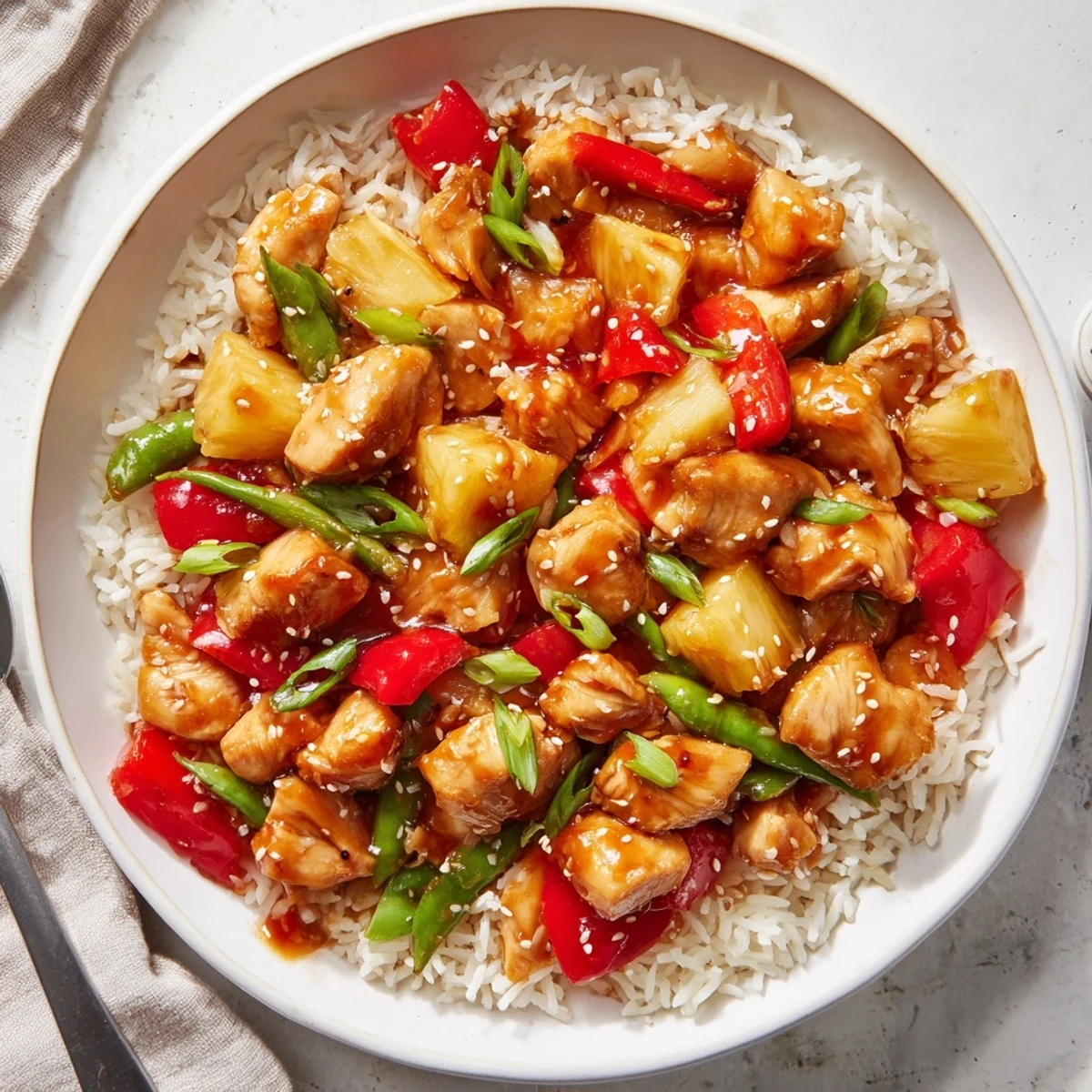
 This bright, sweet-and-savory skillet pairs bite-sized chicken with diced pineapple, bell pepper, snap peas and day-old jasmine rice. Whisk soy, pineapple juice, rice vinegar, honey and cornstarch; sear the chicken, sauté garlic and ginger with vegetables, return the chicken and pineapple, add the sauce to thicken, then fold in rice. Ready in about 40 minutes; use tamari for gluten-free or swap tofu to omit meat.
The sizzle of chicken hitting a screaming hot wok on a Tuesday evening is its own kind of therapy, and this pineapple chicken and rice has been my go-to reset meal for years now. I stumbled onto the combination during a phase when I was determined to use up a lingering can of pineapple chunks that had migrated to the back of the pantry. What started as a desperate fridge clearing exercise turned into the most requested dinner in my household, beating out even pizza night on at least three occasions.
My neighbor Carla knocked on my door one evening asking to borrow soy sauce and ended up staying for dinner because she could smell the ginger and pineapple through the hallway. She now texts me every other week asking if I am making that pineapple chicken thing again, and I have learned to just double the recipe whenever Carla is around.
Ingredients
- Chicken breast (1 lb, boneless and skinless): Cut into even bite sized pieces so everything cooks at the same rate and you never bite into a raw center.
- Fresh pineapple (1 cup, diced): Fresh is ideal for the slight tang and firm texture, but canned pineapple drained of its syrup works in a pinch.
- Red bell pepper (1, chopped): Adds crunch and a pop of color that makes the whole dish look like it took far more effort than it did.
- Sugar snap peas (1 cup, trimmed): These bring a snappy freshness that cuts through the richness of the sauce beautifully.
- Green onions (3, sliced): Reserved half for garnish because the raw scatter on top makes everything taste brighter.
- Garlic (2 cloves, minced): Fresh garlic only, please, the jarred stuff lacks the pungent punch that makes this dish sing.
- Fresh ginger (1 inch piece, grated): Peel it with the edge of a spoon, a trick my mother taught me that saves time and fingers.
- Cooked jasmine or basmati rice (2 cups, day old preferred): Day old rice is the secret weapon here because fresh rice turns gummy the second it hits that sauce.
- Soy sauce or tamari (1/4 cup): Use tamari if you need this to be gluten free, and honestly the flavor is nearly indistinguishable.
- Pineapple juice (2 tbsp): If you are using canned pineapple, the juice from the can is perfect for this.
- Rice vinegar (1 tbsp): Just enough acidity to keep the sweetness from taking over the whole dish.
- Honey or brown sugar (1 tbsp): Helps the sauce cling to every piece of chicken and caramelizes slightly in the hot pan.
- Sesame oil (1 tsp): A little goes a long way and adds that unmistakable toasty aroma.
- Cornstarch (1 tsp): This is what transforms the sauce from a thin puddle into a glossy coating.
- Vegetable oil (2 tbsp): Neutral oil keeps the heat high without burning.
- Salt and black pepper: Season the chicken before it hits the pan and you are already halfway to a great dish.
Instructions
- Whisk the sauce together:
- In a small bowl, combine the soy sauce, pineapple juice, rice vinegar, honey, sesame oil, and cornstarch, whisking until the cornstarch disappears completely with no lumps hiding at the bottom. Set this aside and let it hang out while you cook so the flavors get friendly.
- Sear the chicken:
- Heat one tablespoon of vegetable oil in a large skillet or wok over medium high heat until the oil shimmers and just barely starts to smoke. Add the chicken pieces in a single layer, season with salt and pepper, and let them sit undisturbed for about three minutes until a golden crust forms before flipping and cooking through, five to six minutes total.
- Build the vegetable base:
- Remove the chicken to a plate and add the remaining oil to the same pan. Toss in the garlic and ginger, stirring constantly for about thirty seconds until your kitchen smells incredible, then add the bell pepper and snap peas, stir frying for three to four minutes until they are just tender but still have some bite.
- Bring it all together:
- Return the chicken to the pan along with the diced pineapple and green onions, then pour in your reserved sauce. Toss everything vigorously and let it simmer for two to three minutes, watching the sauce transform from thin and watery to thick and glossy as it clings to every surface.
- Fold in the rice:
- Add the cooked rice to the pan and fold it through gently with a spatula, letting it soak up every bit of that sauce while heating through, about two minutes. Taste a forkful and adjust the salt if needed before serving hot with extra green onions and sesame seeds scattered on top.
 Pin it
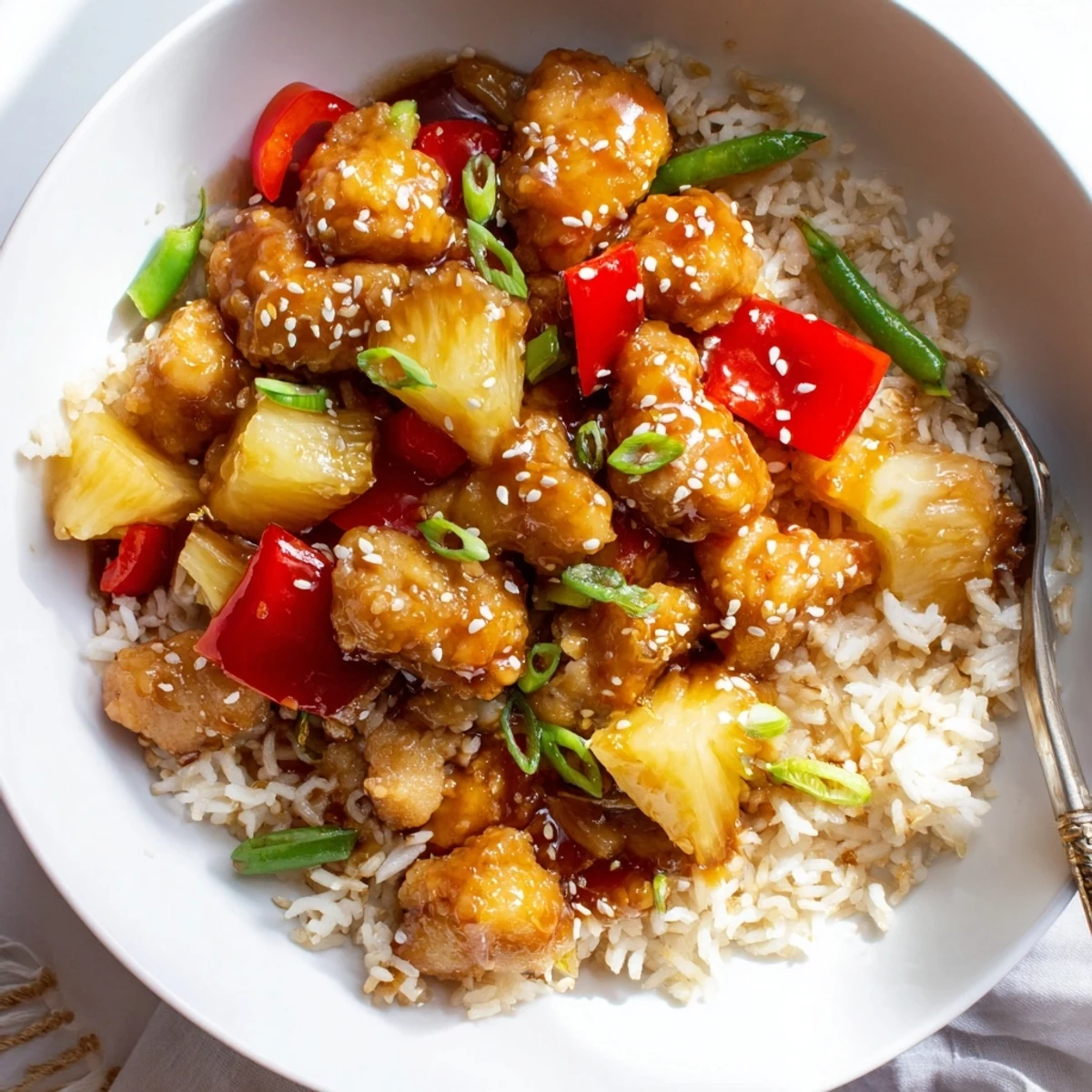
 The night my pickiest friend David went back for thirds and asked if I could teach his girlfriend to make it, I realized this dish had quietly become my most reliable crowd pleaser.
Making It Your Own
This recipe is endlessly forgiving when it comes to substitutions, which is part of why I keep coming back to it on random weeknights. I have thrown in leftover roasted broccoli, swapped the snap peas for sliced zucchini, and once used mango instead of pineapple when that was what the fruit bowl offered.
What to Pour Alongside It
A chilled off dry Riesling is my favorite pairing because its slight sweetness echoes the pineapple without competing. For a non alcoholic option, sparkling water with a wedge of lime and a few chunks of fresh pineapple floating inside feels festive enough for a weeknight.
Storage and Reheating Wisdom
Leftovers keep beautifully in an airtight container in the fridge for up to three days, and honestly the flavors deepen overnight in a way that makes the second day lunch almost better than dinner was. Reheat gently in a skillet with a splash of water rather than microwaving, which can toughen the chicken.
- Freeze portions without the rice for best texture when reheated.
- Add a squeeze of fresh lime juice after reheating to wake everything back up.
- Remember that the vegetables will soften upon reheating so slightly undercook them if you plan to store leftovers.
 Pin it
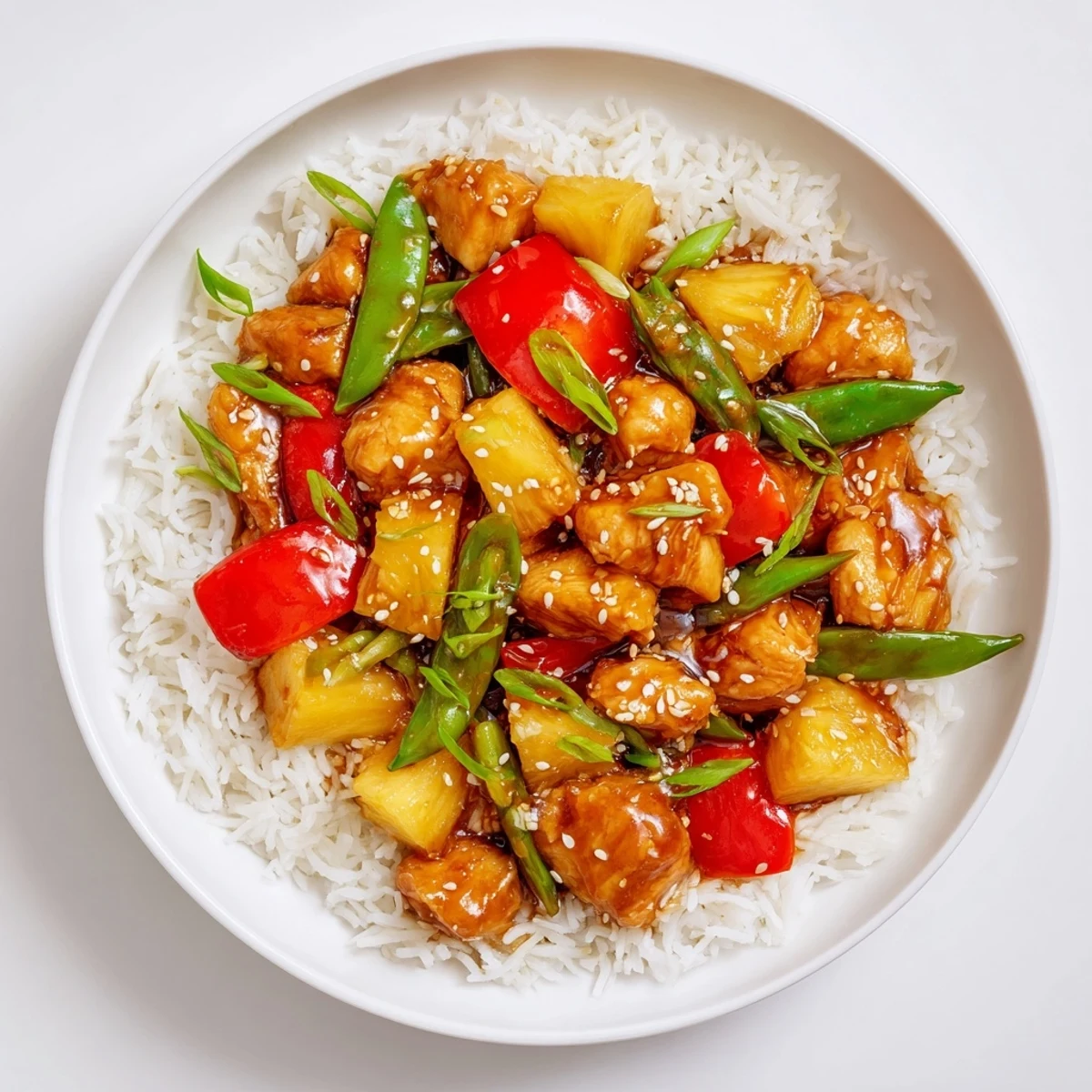
 Some recipes earn their place in your rotation through sheer reliability, and this one has never once let me down. Keep a container of leftover rice in your freezer and a can of pineapple in the pantry, and you are always twenty minutes away from something that tastes like a small vacation.
Recipe Q&A
- → Can I use canned pineapple instead of fresh?
-
Yes. Drain pineapple well and reserve a tablespoon of juice for the sauce if desired. Canned pineapple is sweeter, so reduce honey or sugar slightly to balance flavors.
- → Why is day-old rice recommended?
-
Day-old rice is drier and firmer, which helps grains stay separate when tossed in the pan and prevents a mushy texture. If using freshly cooked rice, spread it out to cool and dry slightly before adding.
- → How can I make this gluten-free?
-
Substitute tamari or a certified gluten-free soy sauce for regular soy sauce. Check labels on any other sauces or oils to ensure they are gluten-free.
- → What protein substitutions work well?
-
Firm tofu, tempeh or shrimp all adapt nicely. For tofu, press to remove excess moisture and pan-fry until golden before combining with the vegetables and sauce.
- → How do I add heat without overpowering the dish?
-
Add sliced fresh chili or 1/2 teaspoon red pepper flakes with the garlic and ginger, then taste and adjust. A little goes a long way with the sweet pineapple and honey.
- → Best way to reheat leftovers?
-
Reheat gently in a skillet over medium-low heat with a splash of water or broth, stirring until heated through to prevent the rice from drying out. Microwave on medium power works too, covered, for shorter times.