
 Pin it
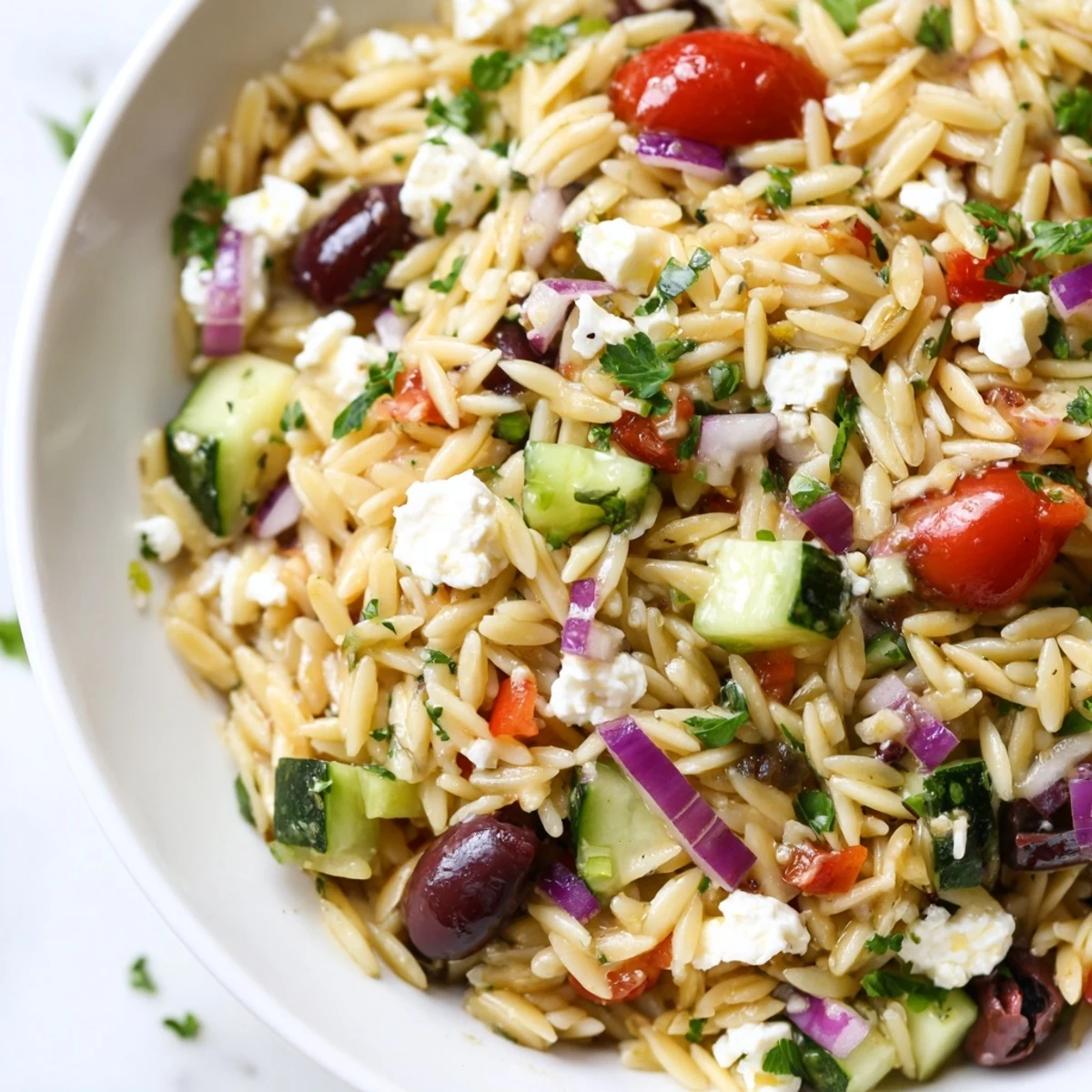
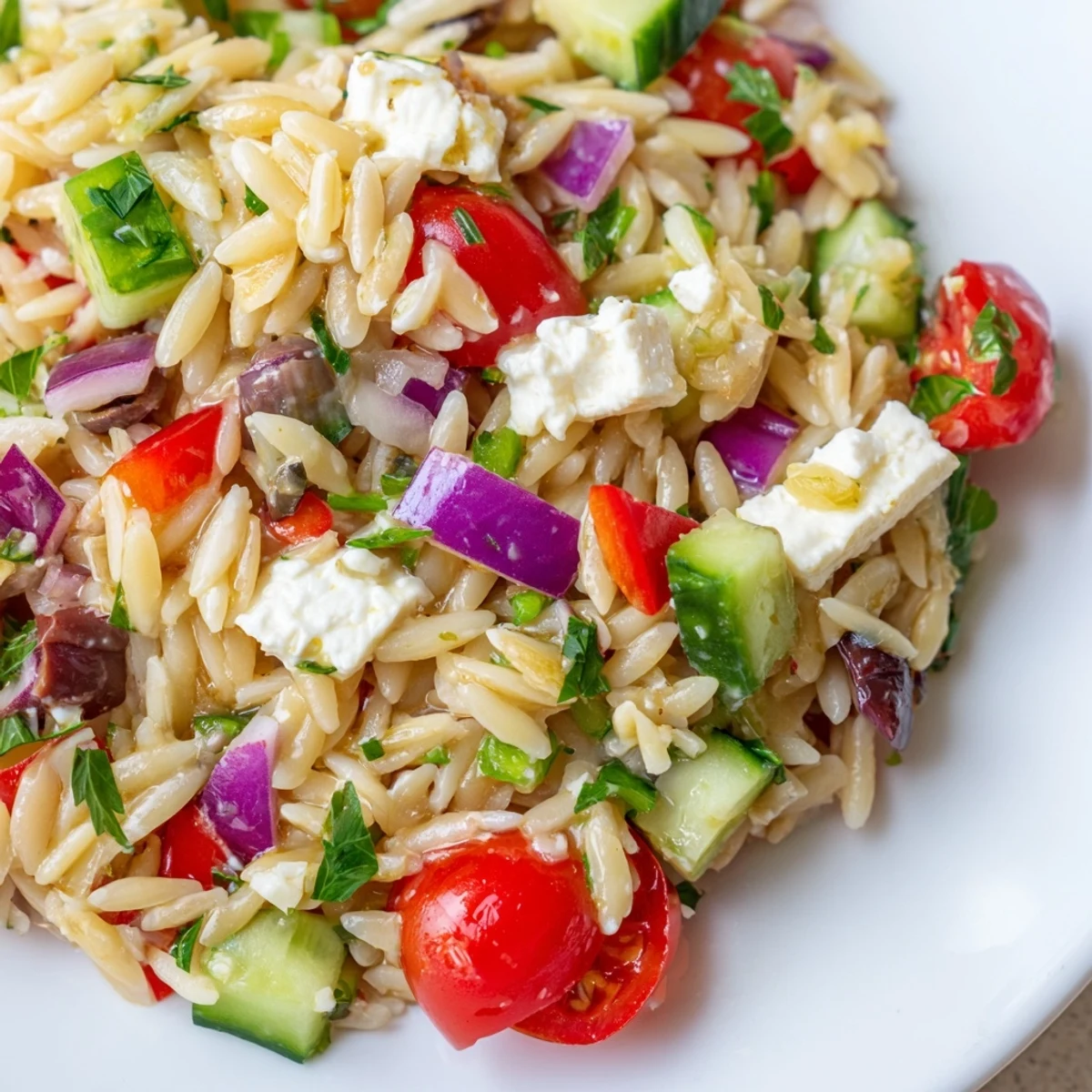
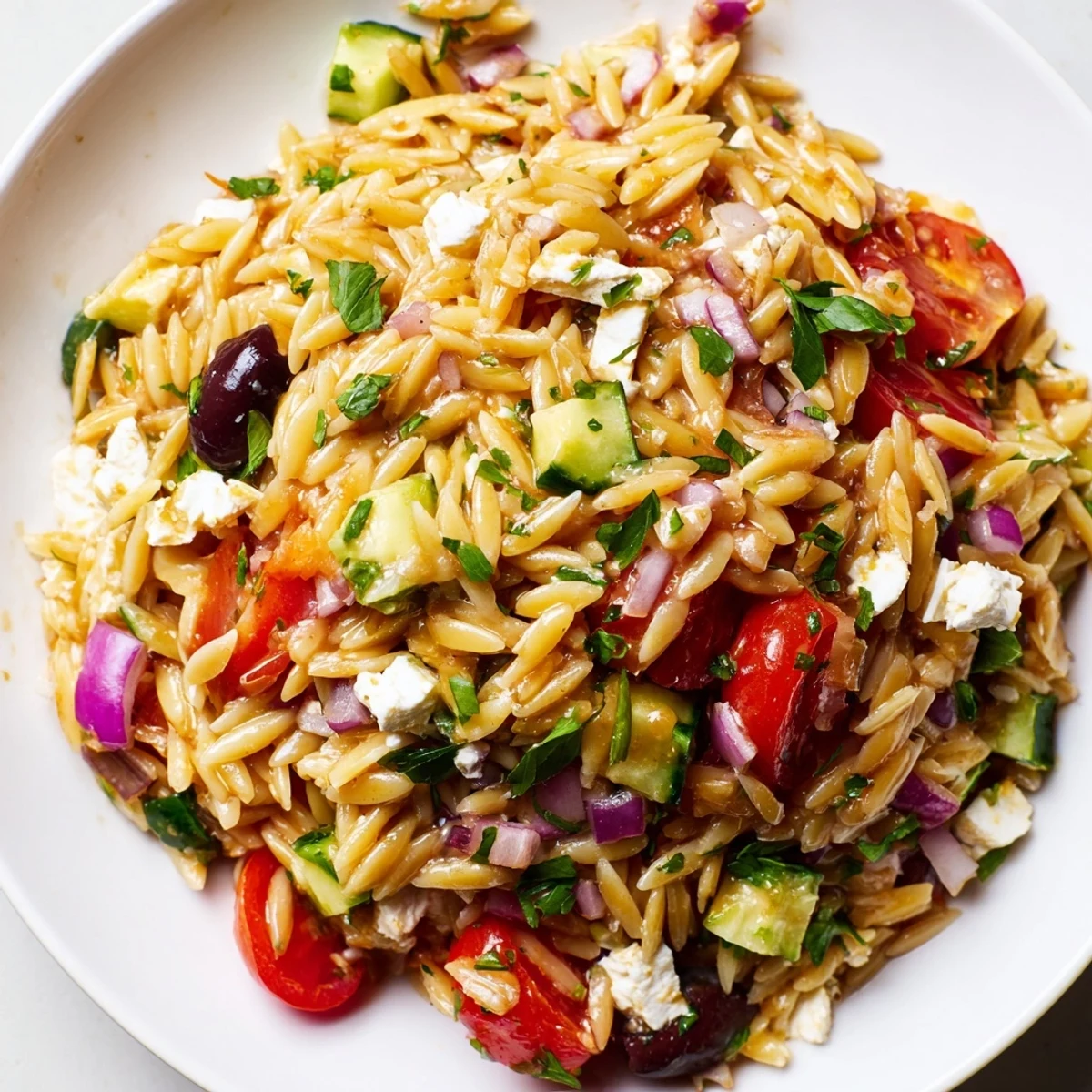
 This Mediterranean orzo pasta salad comes together in just 30 minutes, making it an ideal choice for busy weeknights, potlucks, or meal prep. Tender orzo is combined with cherry tomatoes, cucumber, red onion, bell pepper, Kalamata olives, and crumbled feta cheese.
The homemade dressing features extra virgin olive oil, red wine vinegar, fresh lemon juice, garlic, and oregano, creating a bright and tangy flavor profile. It's a vegetarian dish that pairs beautifully with grilled proteins or stands on its own as a light lunch.
The screen door slammed shut behind me as I carried a massive bowl of this orzo salad out to my friends waiting on the back deck, and someone immediately said that smells like a Greek vacation. That pretty much sums up everything I love about Mediterranean cooking: it turns a Tuesday evening into something that feels deliberate and sun soaked. I had thrown it together on a whim with whatever was rattling around the crisper drawer, and it disappeared faster than anything else on the table. Now it is the only thing I am asked to bring to every potluck.
My neighbor Laura once watched me make this through the kitchen window and texted asking what on earth smelled so good at ten in the morning. I invited her over with a fork and we stood at the counter eating it straight from the bowl before it even made it to the fridge to chill. She now makes it weekly and has her own variations scribbled on a sticky note inside her pantry door.
Ingredients
- Orzo pasta (1 1/2 cups, 285 g): The tiny rice shaped pasta is the real hero here because it grabs onto dressing in a way bigger shapes never quite manage.
- Olive oil (1 tbsp for the pasta): A quick toss after draining keeps every grain separate and glossy instead of turning into a gummy clump.
- Cherry tomatoes (1 cup, halved): Their sweetness balances the briny olives and capers, so pick ones that actually smell like something.
- Cucumber (1 cup, diced): I prefer English cucumbers for their fewer seeds and thin skin, but any crisp variety will do the job.
- Red onion (1/2, finely chopped): Soak the pieces in ice water for five minutes if you find raw onion too aggressive.
- Red bell pepper (1/2 cup, diced): This adds a crunch that holds up beautifully even after a night in the refrigerator.
- Fresh parsley (1/4 cup, chopped): Flat leaf parsley brings a grassy brightness that dried herbs simply cannot replicate here.
- Kalamata olives (1/2 cup, pitted and halved): Their deep purple saltiness is nonnegotiable for that true Mediterranean character.
- Feta cheese (3/4 cup, crumbled): Buy it in block form and crumble it yourself for creamier, larger curds that melt into the dressing.
- Capers (2 tbsp, drained): These tiny buds deliver concentrated bursts of tang that surprise people in the best way.
- Extra virgin olive oil (1/4 cup for dressing): This is the moment to open the good bottle since the dressing is raw and the flavor really shines through.
- Red wine vinegar (2 tbsp): It provides a sharpness that lemon juice alone cannot achieve, cutting through the richness of the feta.
- Fresh lemon juice (1 tbsp): Just a splash rounds out the acidity with a fragrant citrus note that makes everything taste brighter.
- Garlic (1 clove, minced): One clove is enough to perfume the whole bowl without taking over.
- Dried oregano (1 tsp): Rub it between your palms before adding to wake up the essential oils.
- Salt (1/2 tsp) and black pepper (1/4 tsp): Start here and adjust after tossing because the olives and feta already contribute significant salt.
Instructions
- Boil and cool the orzo:
- Cook the orzo in well salted boiling water until just tender with a slight bite at the center, then drain and rinse under cold running water until completely cool. Toss immediately with a tablespoon of olive oil so each piece glistens separately.
- Build the vegetable base:
- Pile the halved tomatoes, diced cucumber, red onion, bell pepper, parsley, olives, crumbled feta, and capers into your largest bowl. The mountain of color in front of you should look almost too pretty to dress.
- Whisk the dressing:
- In a small bowl, beat together the olive oil, red wine vinegar, lemon juice, minced garlic, oregano, salt, and pepper until the mixture turns creamy and no longer separates. Give it a taste on the tip of a spoon and trust your instincts.
- Bring everything together:
- Pour the cooled orzo over the vegetables and drizzle the dressing across the top, then fold gently with a large spoon until every piece is evenly coated and glistening.
- Rest and serve:
- Cover and refrigerate for at least fifteen minutes so the flavors settle and deepen, then garnish with extra parsley or feta before carrying it to the table.
 Pin it
 I realized this dish had officially become part of my life when my fourteen year old nephew asked me to teach him how to make it himself so he would not have to wait for family gatherings. We spent a Saturday afternoon chopping vegetables together and he wrote the recipe in his own notebook with a drawing of an olive next to it.
Making It Your Own
Toss in a handful of chickpeas or sliced grilled chicken if you want something heartier for a standalone lunch. Artichoke hearts and roasted red peppers also slide right in without disrupting the balance, and I once added a cup of cooked lentils on a rainy Sunday that turned out surprisingly wonderful. The framework is forgiving enough that you can follow your cravings.
What to Serve Alongside
This salad loves company, especially a chilled glass of Sauvignon Blanc or a plate of warm pita bread with hummus. I have also served it next to grilled lamb skewers at a birthday dinner and the combination drew compliments from people who usually ignore side dishes entirely. Think of it as the connector piece on any warm weather table.
Storing and Transporting
It holds beautifully in the refrigerator for up to three days, making it one of my go to dishes for meal prep Sundays. If you are bringing it to a gathering, pack it in a sealed container and give it a good toss right before serving because the dressing settles.
- Give it a splash of extra lemon juice and a gentle stir if it looks a little dry after sitting overnight.
- Keep it chilled in a cooler if you are transporting it to an outdoor event in warm weather.
- Remember that the feta will continue to crumble into the dressing over time, which actually makes it even creamier and more delicious.
 Pin it
 This is the kind of recipe that makes you look like you tried much harder than you actually did, and there is absolutely nothing wrong with that. Keep it in your back pocket all summer long and watch people ask for the recipe every single time.
Recipe Q&A
- → Can I make orzo salad ahead of time?
-
Yes, this orzo salad actually tastes better when made in advance. The flavors meld together as it rests. You can prepare it up to 24 hours ahead and store it covered in the refrigerator. Give it a good toss before serving.
- → What can I substitute for feta cheese?
-
If you're avoiding dairy, try a dairy-free feta alternative or omit it entirely. For a different flavor profile, cubed halloumi, crumbled goat cheese, or small mozzarella balls work beautifully in this salad.
- → How long does Mediterranean orzo salad last in the fridge?
-
Stored in an airtight container, this salad stays fresh for 3 to 4 days in the refrigerator. The orzo may absorb some dressing over time, so you might want to add a splash of olive oil and lemon juice before serving leftovers.
- → Can I add protein to this orzo salad?
-
Absolutely. Chickpeas are a natural vegetarian addition that complement the Mediterranean flavors. Grilled chicken, shrimp, or canned tuna also work well. For a heartier dish, white beans or lentils are excellent options.
- → Do I need to rinse the orzo after cooking?
-
Yes, rinsing the cooked orzo under cold water stops the cooking process and removes excess starch. This prevents the pasta from becoming gummy and sticking together. Tossing it with a little olive oil after rinsing further prevents clumping.
- → What type of olives work best for this salad?
-
Kalamata olives are the classic choice and provide an authentic Mediterranean flavor with their briny, slightly fruity taste. If you prefer a milder olive, use castelvetrano or green olives. Avoid canned black olives as they lack the depth of flavor needed.