
 Pin it
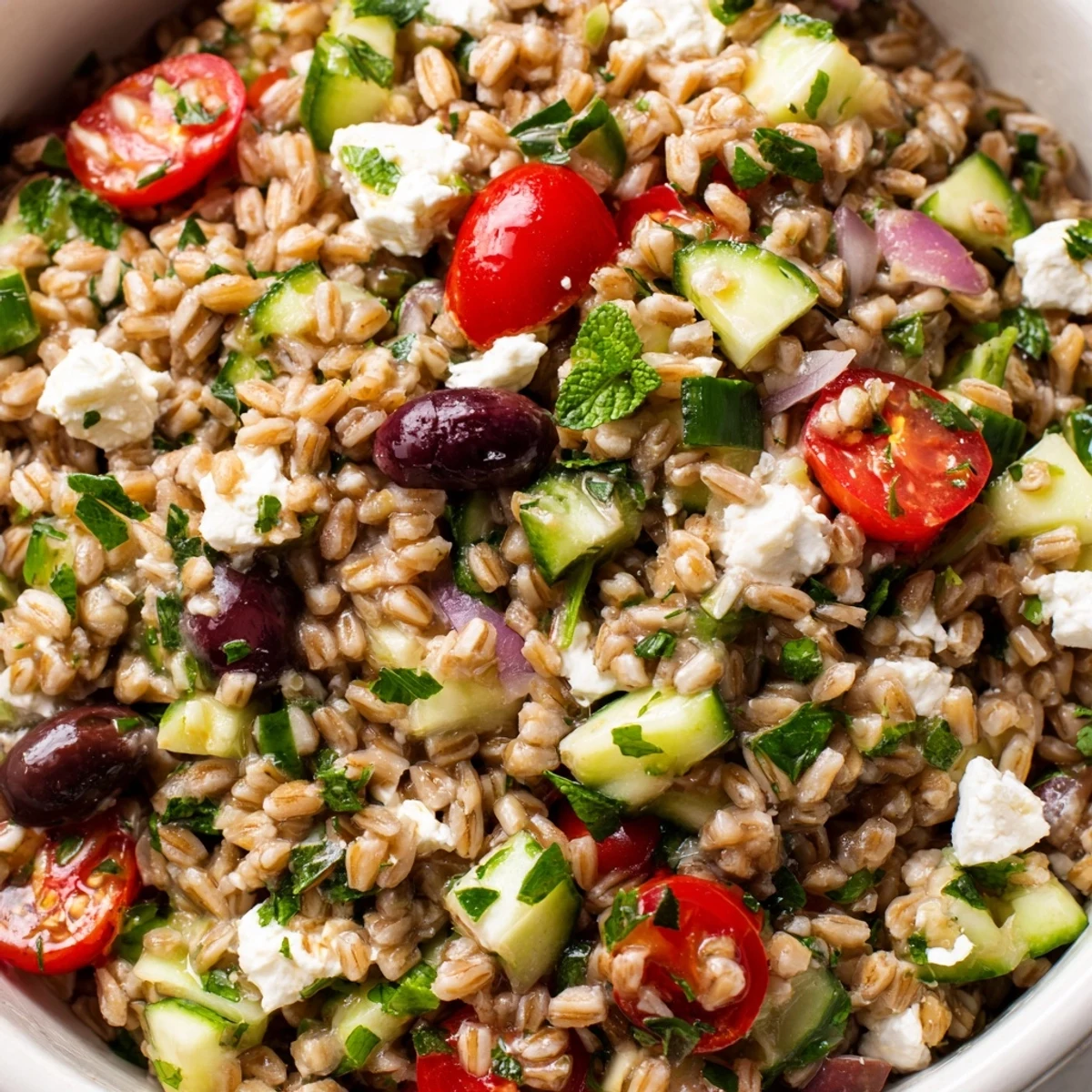
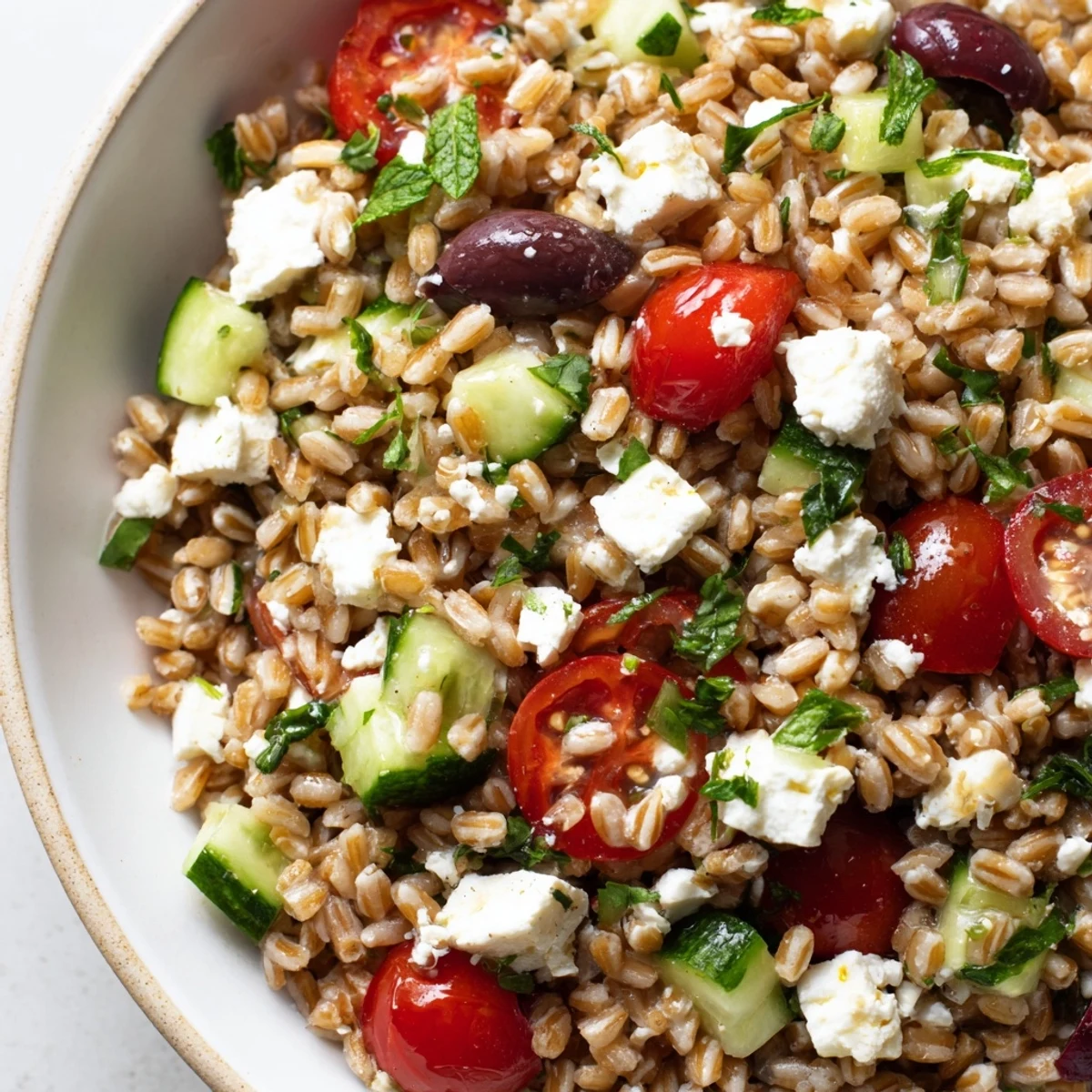
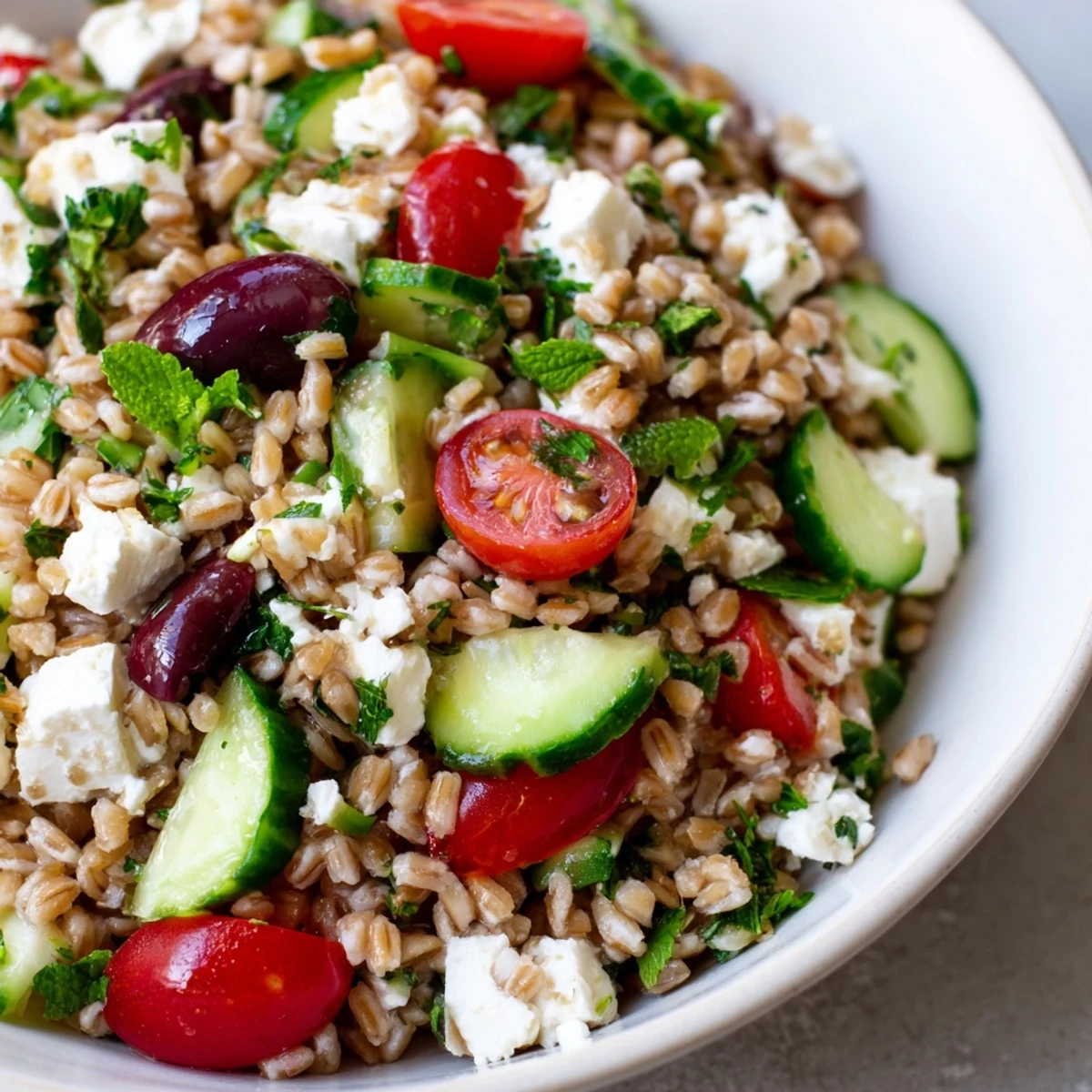
 This Mediterranean farro dish blends chewy farro grains with juicy cherry tomatoes, crisp cucumber, and tangy feta cheese. Fresh parsley and mint enhance the bright lemon and olive oil dressing, creating a light and flavorful dish perfect for lunch or as a side. It’s easy to prepare with a simple simmered grain base and a fresh herb dressing, offering a wholesome and refreshing culinary experience.
There's something about summer afternoons that makes me crave this salad—maybe it's the way the lemon juice catches the light, or how that first bite of cold farro hits different when you've been outside too long. I discovered this combination while scrolling through a friend's photos from Greece, but honestly, I've made it a dozen times since because it's the kind of dish that tastes like you spent all day cooking when you really just spent twenty minutes assembling. The best part? It tastes even better the next day.
I'll never forget bringing this to a potluck last spring and watching someone go back for thirds—they thought I'd spent hours on it. When I told them it was just farro and whatever was in my crisper drawer, they looked almost disappointed. But then they understood: sometimes the simplest things, when done with good ingredients, taste like you really know what you're doing.
Ingredients
- Farro: This chewy grain is the backbone of the salad and holds onto dressing beautifully, but don't overcook it or it turns mushy.
- Cherry tomatoes: Halving them instead of quartering means they don't get lost in each bite.
- Cucumber: Dice it fairly large so it stays crisp and doesn't disappear into the farro.
- Red onion: A thin slice adds bite without overwhelming, and it mellows slightly as it sits with the acid from the lemon.
- Kalamata olives: Pitted and sliced, they release their briny flavor right into the salad.
- Feta cheese: Crumbled by hand, not pre-crumbled, because the bigger irregular pieces stay distinct instead of turning to dust.
- Fresh parsley and mint: These herbs are what lift the whole dish from good to memorable, so don't skimp or use dried.
- Extra-virgin olive oil: This is not the time to use the cheap bottle—you taste it directly.
- Lemon juice: Fresh squeezed makes a real difference; bottled tastes thin by comparison.
- Garlic: One clove minced is exactly enough; I learned this the hard way with a two-clove version that tasted like a vampire repellent.
- Oregano: Dried oregano has more punch than fresh in this context, so stick with it.
Instructions
- Rinse and cook the farro:
- Rinsing removes starch so the grains stay separate and don't clump. Bring the water to a rolling boil, add farro and salt, then back off the heat slightly so it simmers gently for 20 to 25 minutes until tender but still chewy—it should have a little bite to it.
- Make the dressing:
- Whisk everything together in a large bowl right before you add the farro, because the garlic will bloom in the acid and taste fresher. Taste it straight from the whisk and adjust the salt if needed; you want it to taste slightly bold because the bland farro will absorb and balance it.
- Combine warm farro with dressing:
- Add the still-warm farro to the dressing so it soaks up all those flavors like a sponge. Fold in the tomatoes, cucumber, onion, and olives gently so nothing bruises, then scatter the herbs over the top.
- Finish with feta:
- Fold in the crumbled feta just before serving or eating, so it doesn't get too saturated and mushy. This is also your moment to taste and adjust seasoning one more time.
 Pin it
 A friend who usually skips salads asked for the recipe after eating this, which is when I knew I'd actually created something worth keeping. There's a moment when you realize a dish has moved from being just dinner to being something people ask you to make again, and this is absolutely that for me.
Why This Salad Works Year-Round
In summer, when tomatoes are at their peak, this salad tastes like pure sunshine in a bowl. But in winter, when fresh tomatoes are sad, I use good canned ones or swap in roasted red peppers instead, and it's equally good—just a different mood. The farro provides enough substance that you don't feel like you're eating nothing, and the olive oil and feta keep everything feeling rich even though it's technically very light.
Timing and Make-Ahead Magic
The beauty of this salad is that you can cook the farro hours ahead, even the day before, and store it in a container in the fridge. Make the dressing whenever you want and store it separately, then assemble the salad in the morning and it's ready to grab at lunch. The only thing not to do ahead is add the feta or any soft herbs if you're storing it longer than a few hours, because they'll get soggy and sad.
Simple Variations That Work
This salad is forgiving and flexible, which is why I keep making it even though I like to change it up. Add chickpeas or white beans for extra protein, toss in roasted red peppers or marinated artichoke hearts if you want more umami, or even add some grilled chicken if you're feeling that direction. If gluten is an issue, quinoa works perfectly as a substitute and tastes almost as good—it's lighter but still holds the dressing nicely.
- Try a drizzle of balsamic vinegar if you want earthier depth.
- Crispy shallots scattered on top add texture and a little sweetness that plays well with the herbs.
- If you're making this ahead for a picnic, pack the feta and mint separately and stir them in just before eating so they stay fresh.
 Pin it
 This is the kind of salad that reminds you that real food doesn't have to be complicated to be delicious. Make it once and you'll understand why I keep coming back to it.
Recipe Q&A
- → What grain is used in this Mediterranean dish?
-
Farro is the main grain, cooked until tender yet chewy to add a hearty texture.
- → How is the dressing prepared?
-
The dressing combines extra-virgin olive oil, fresh lemon juice, minced garlic, dried oregano, black pepper, and salt, whisked together for a zesty finish.
- → Can this dish be made gluten-free?
-
Yes, substitute farro with gluten-free grains such as quinoa to maintain texture and flavor.
- → What fresh herbs complement the flavors?
-
Chopped fresh parsley and mint are used to brighten the flavors and add aromatic notes.
- → Are there optional ingredients to enhance the dish?
-
Additions like chickpeas, grilled chicken, roasted red peppers, or artichoke hearts can boost protein and flavor variety.