
 Pin it
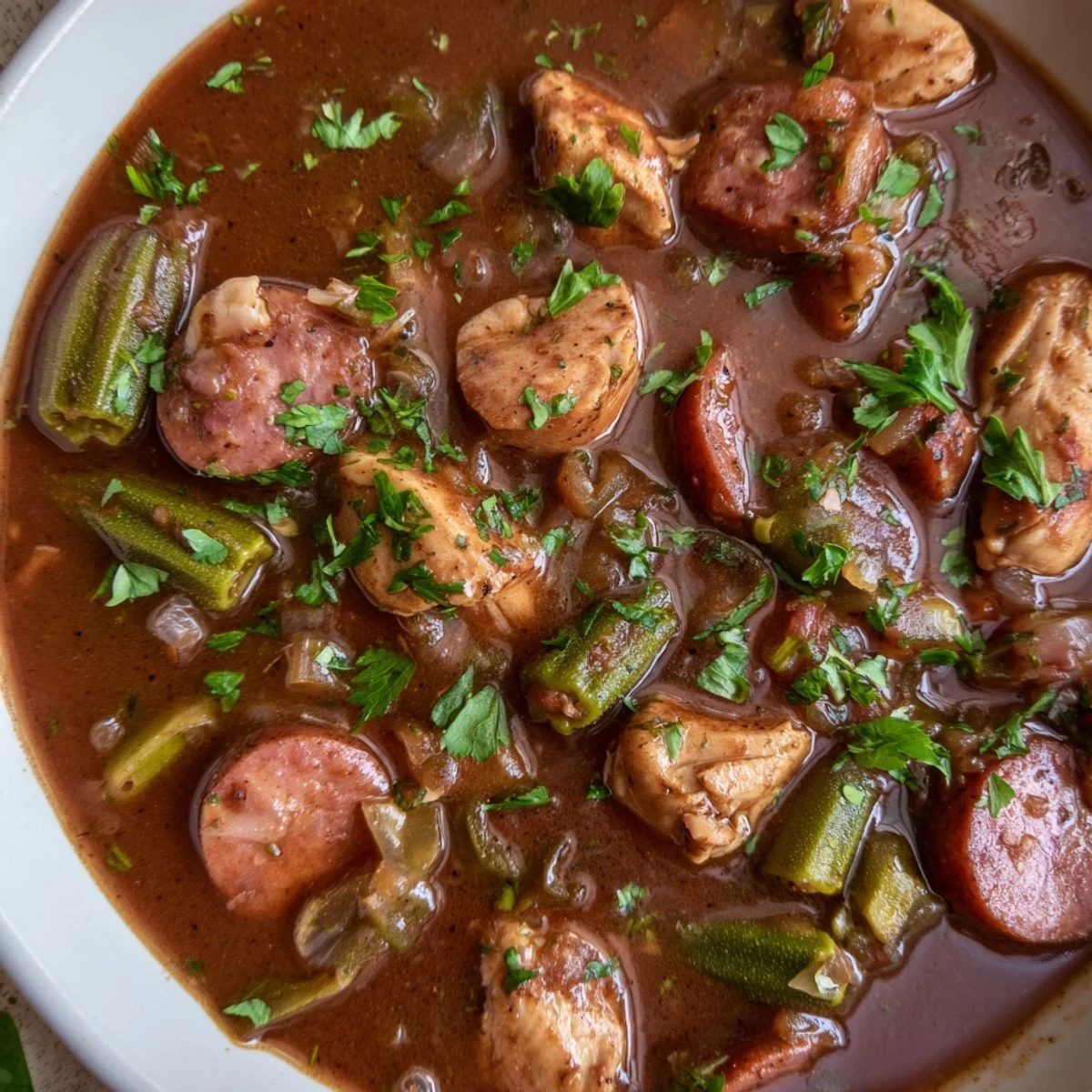
 This authentic Mardi Gras chicken gumbo combines tender halal chicken thighs and smoked sausage with the holy trinity of onions, bell peppers, and celery. A carefully crafted roux creates the rich, flavorful base that defines this beloved Cajun-Creole dish. Fresh okra adds authentic texture and flavor, while warm spices like smoked paprika, cayenne, thyme, and oregano bring festive warmth to every spoonful. Simmer for 45 minutes to let all flavors meld beautifully, then serve over steamed white rice with fresh parsley and optional hot sauce for a complete Louisiana experience.
The scent of a slow-bubbling roux filled my apartment on that rainy February evening, transforming my kitchen into a slice of New Orleans during carnival season. I'd been intimidated by gumbo for years, convinced it required some ancestral knowledge I didn't possess, until my neighbor Jasmine – born and raised in Louisiana – walked me through her family recipe step by step. What began as an attempt to bring warmth to a dreary winter day has since become my signature dish for gatherings where comfort and celebration collide.
Last Mardi Gras, I served this gumbo to friends who had gathered at my place before heading to a local parade. The kitchen windows fogged up from the steaming pot as everyone crowded around, ladling gumbo over rice and debating the perfect amount of hot sauce. Our purple and gold beads clinked against our bowls, and for a moment, even though we were a thousand miles from Bourbon Street, it felt like we were right there in the heart of the celebration.
Ingredients
- Boneless chicken thighs: Dark meat is non-negotiable here, as it stays tender through the long simmer and contributes richer flavor than breast meat ever could.
- Halal sausage: The smoky notes create the backbone of authentic gumbo flavor, and slicing it slightly thicker than you might think gives a more satisfying bite.
- Fresh okra: Those little green pods might look humble, but they provide the distinctive thickness that makes gumbo, well, gumbo, while adding their own earthy dimension.
- The holy trinity: Onion, bell pepper, and celery form the aromatic foundation of Cajun cooking, and taking time to properly sweat them down pays dividends in the finished dish.
- Flour and oil for roux: This is where patience becomes an ingredient itself, as you slowly transform these simple components into a copper-penny colored base that will give your gumbo its soul.
Instructions
- Master the roux:
- Combine oil and flour in your heaviest pot over medium heat, then prepare for a meditative 15 minutes of constant stirring as the mixture transforms from pale cream to the color of peanut butter and finally to a rich chocolate brown. The aroma will shift from raw flour to something deeply nutty and complex.
- Build the flavor base:
- When your roux reaches that perfect deep golden hue, add your trinity of vegetables and watch the transformation as they sizzle and soften. The kitchen will fill with a fragrance that signals to everyone in the house that something magnificent is underway.
- Layer in the proteins:
- Add your chicken and sausage pieces, allowing them to pick up color and begin releasing their flavors into the base. This brief browning step creates another dimension of flavor that will permeate the finished gumbo.
- Bring everything together:
- Once you add the okra, tomatoes, broth and that beautiful medley of spices, your pot transforms into a simmering cauldron of comfort. Lower the heat and let time work its magic as the flavors meld and deepen.
- The final touch:
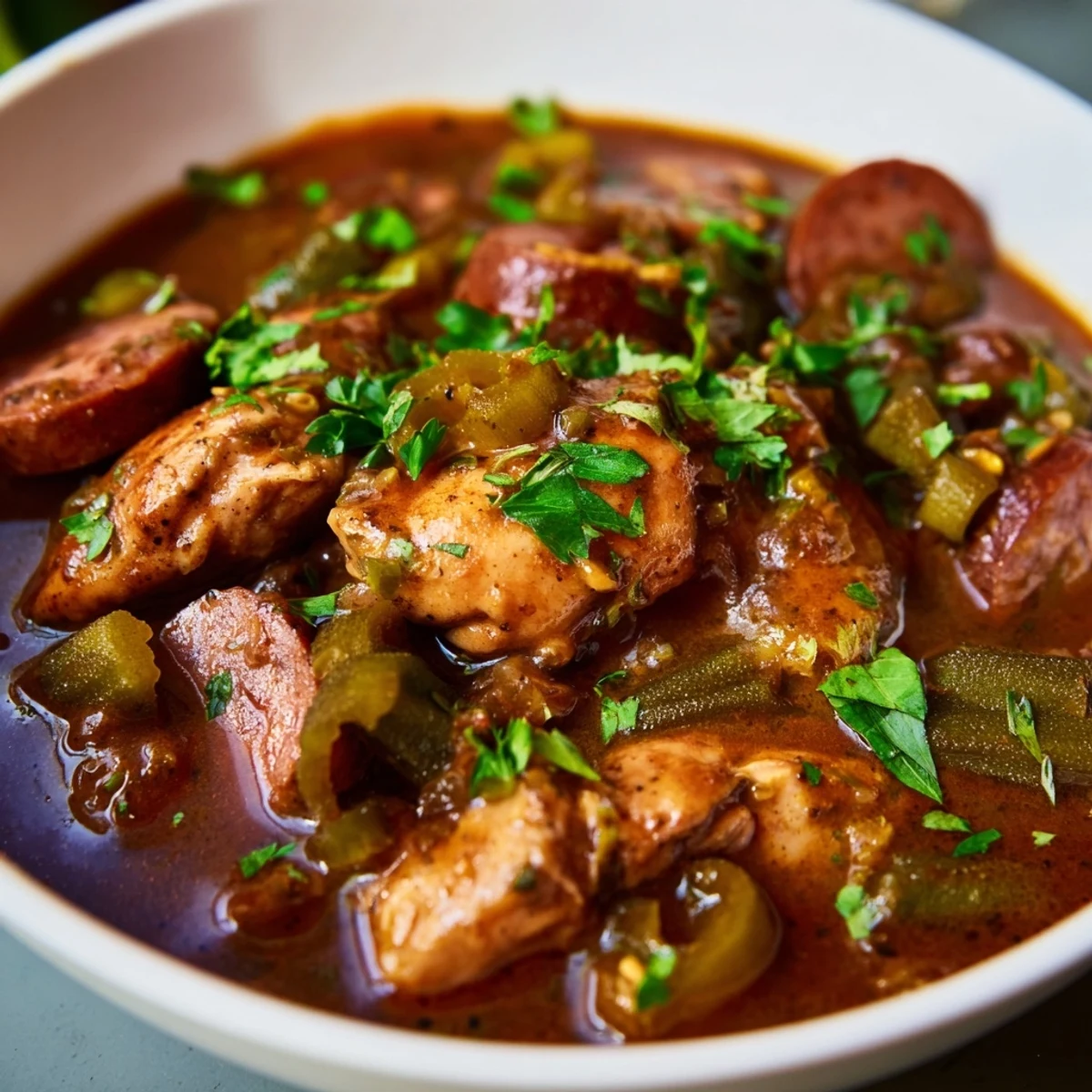
- Ladle your gumbo over a mound of steaming white rice and sprinkle with fresh parsley. The contrast of the deep, rich stew against the bright herbs and clean rice creates the perfect balance.
 Pin it
 My colleague Ahmad, who had never tried gumbo before, called me three days after that Mardi Gras gathering to ask for the recipe. He mentioned how the complex flavors reminded him of dishes from his homeland, despite using completely different ingredients. That conversation evolved into a beautiful exchange about how comfort food transcends cultural boundaries while still honoring its roots, reminding me that sharing food is about so much more than just nourishment.
The Secret of Okra
I used to avoid okra after a childhood of slimy, overcooked preparations, but this gumbo completely transformed my relationship with this misunderstood vegetable. The key is adding it at just the right moment and allowing it to cook long enough to release its thickening properties without becoming gelatinous. When sliced fresh, those little green pods create the silky consistency that defines a proper gumbo while contributing their own subtle, earthy flavor.
Halal Adaptations
Converting traditional gumbo to meet halal requirements actually opened up new dimensions of flavor in my cooking. The switch to smoked turkey sausage or halal beef sausage brings different but equally compelling notes to the dish. I particularly enjoy how the leaner halal proteins allow the complex spice blend to shine through more clearly, creating a cleaner but still deeply satisfying finish to each spoonful.
Making It Your Own
The beauty of gumbo lies in its adaptability and the personal touches that make each pot unique to the cook who prepares it. My neighbor Jasmine adds extra cayenne and finishes her gumbo with filé powder, while I prefer a slightly thicker consistency and the bright acidic punch of extra tomatoes.
- Consider the spice level of your diners, starting more conservative and offering hot sauce at the table for those who crave heat.
- The gumbo actually improves after a night in the refrigerator, making it perfect for preparing ahead of gatherings.
- While rice is traditional, serving gumbo over cornbread creates a delightful Southern fusion that soaks up all those magnificent juices.
 Pin it
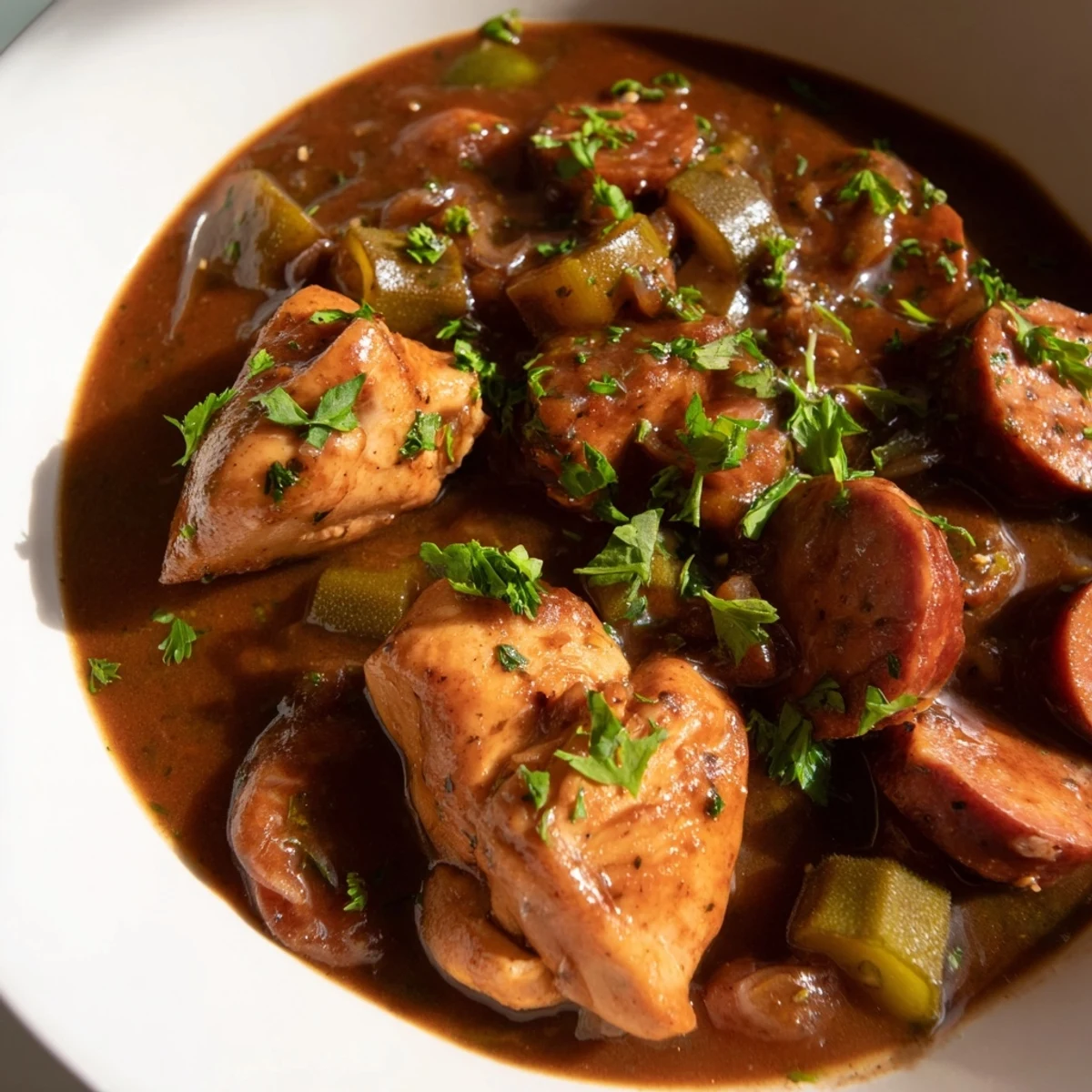
 This Mardi Gras chicken gumbo has become more than just a recipe in my collection, its a bridge between celebrations, cultures, and the people gathered around my table. Whether youre cooking for a festive gathering or simply craving a bowl of something soulful, the moment you lift the lid on your simmering pot of gumbo, youll understand why this dish has endured for generations.
Recipe Q&A
- → What is the key to a perfect gumbo roux?
-
The roux is the foundation of great gumbo. Combine oil and flour over medium heat, stirring constantly for 10-15 minutes until it reaches a deep golden brown color. Patience is essential—a properly cooked roux creates the rich, complex flavor characteristic of authentic gumbo. Avoid burning, as this will make the roux bitter.
- → Can I use fresh okra instead of frozen?
-
Absolutely! Fresh okra works wonderfully in this dish. Slice it just before cooking to minimize sliminess. If you prefer to reduce the natural mucilaginous texture, some cooks briefly sauté the okra separately before adding it to the gumbo, or substitute with file powder added at the end of cooking.
- → How do I adjust the heat level?
-
The cayenne pepper controls the spice level. Start with ½ teaspoon and taste as you cook. You can always add more, but you cannot remove it. Hot sauce can also be served on the side for individual preference. Smoked paprika adds flavor without significant heat.
- → What can I serve alongside this gumbo?
-
Steamed white rice is the traditional pairing and essential for soaking up the flavorful broth. Crusty bread works beautifully for wiping the bowl clean. A crisp green salad or coleslaw provides a refreshing contrast to the rich, warming gumbo.
- → Can I make this ahead and reheat it?
-
Yes! Gumbo actually tastes better the next day as flavors deepen and meld together. Store it in an airtight container in the refrigerator for up to 3 days. Reheat gently over low heat, adding a splash of broth if needed to restore the desired consistency.
- → How can I make this seafood-focused?
-
For a seafood variation, add peeled shrimp or crabmeat during the last 10 minutes of simmering. This preserves the delicate texture and flavor of seafood while allowing it to absorb the rich gumbo spices. Use seafood broth instead of chicken broth for enhanced flavor.