
 Pin it
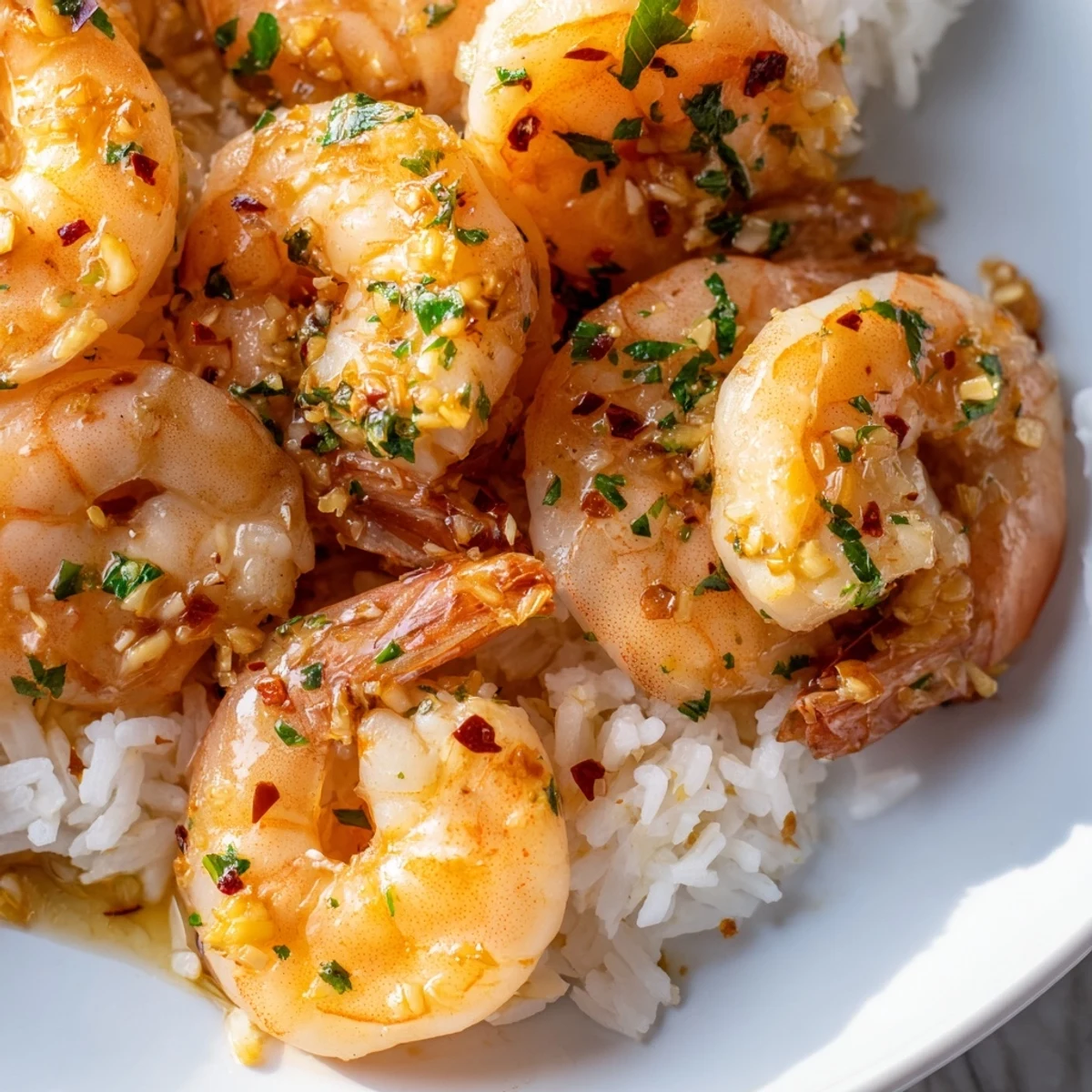
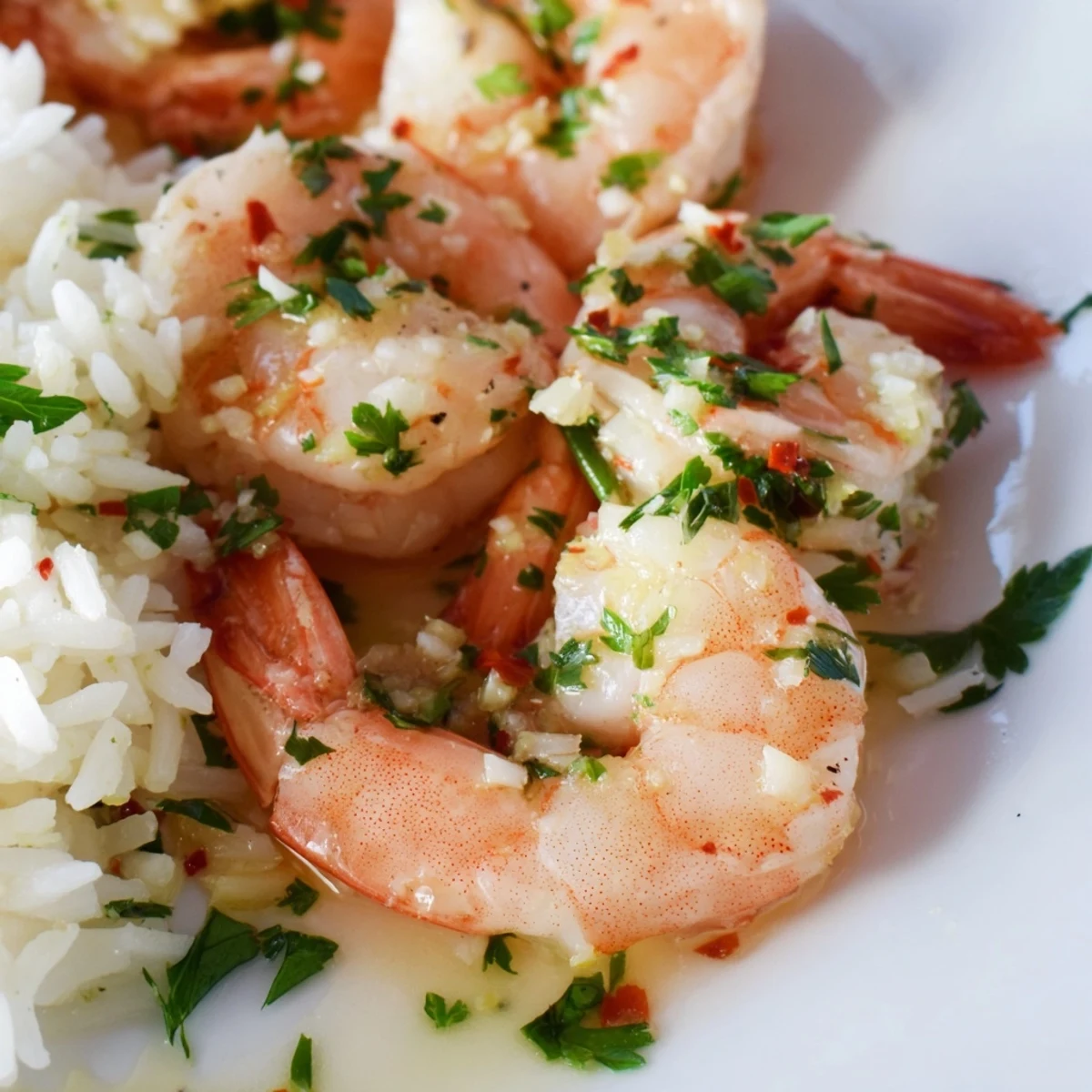
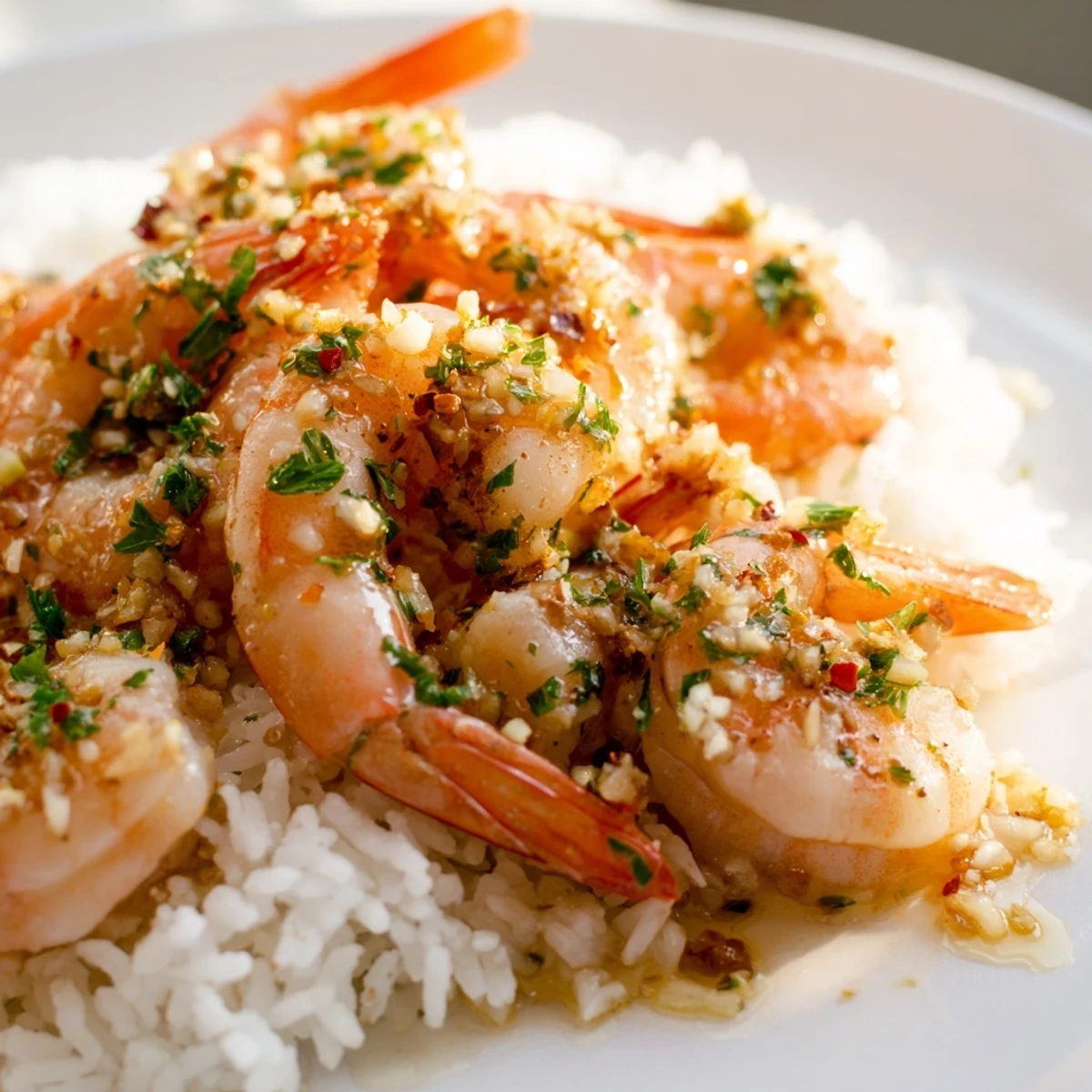
 Sauté juicy shrimp in a fragrant blend of olive oil, minced garlic, and red pepper flakes until pink and tender. Finish with bright lemon zest and juice for a burst of acidity. Serve this zesty seafood over a bed of fluffy, salted steamed rice to soak up the savory pan juices. Garnish with fresh parsley for a complete dinner ready in under 30 minutes.
There's something about the sizzle of garlic hitting hot oil that makes me feel like I'm actually cooking, not just following instructions. The first time I made lemon garlic shrimp was a Tuesday night when I had twenty minutes and a craving for something bright and clean, and I realized I could pull together something restaurant-quality without any fuss. My kitchen filled with this golden, citrusy steam, and my roommate wandered in asking what smelled so good before I'd even finished the rice. That moment—when you know something's going to taste incredible just from the aroma—is exactly what this dish delivers every single time.
I made this for my friend who'd just moved back to town, and she took one bite and got quiet in that way people do when they're genuinely surprised by food. She asked for the recipe, which felt like the highest compliment, and now she makes it every other week. What stuck with me wasn't just that she loved it—it was how easy it was to feel proud of something so simple.
Ingredients
- Large shrimp (1 lb, peeled and deveined): Buy them this way at the market—your hands will thank you, and the cooking time stays tight. Fresh or thawed frozen both work beautifully, but if they smell fishy, they're too old.
- Olive oil (3 tbsp): Use something you'd actually taste, not the super cheap stuff. This is your cooking base, so it matters more than you'd think.
- Fresh garlic (4 cloves, minced): Don't use the pre-minced stuff in a jar—real garlic transforms when it hits hot oil, and you'll taste the difference immediately.
- Fresh lemon juice and zest (1 whole lemon): This is the soul of the dish; don't skip it or substitute bottled juice. One lemon gives you both juice and zest, which sounds fussy but takes literally 30 seconds.
- Kosher salt and fresh black pepper: Salt the shrimp twice—once before cooking and again after the lemon hits, so the flavors actually stick.
- Red pepper flakes (1/4 tsp, optional): I leave it out sometimes and add it when I want the dish to have a little attitude.
- Fresh parsley (2 tbsp chopped): The green finish that makes it feel intentional, not accidental.
- Long-grain white rice (1 cup) with 2 cups water: This ratio is your reliable friend—it never fails if you actually measure and don't peek constantly.
Instructions
- Get your rice started first:
- Rinse the rice under cold water, swirling it with your fingers until the water stops looking cloudy—this takes two minutes and gives you fluffy rice instead of gluey rice. Add it to a saucepan with 2 cups of water and 1/2 tsp salt, bring everything to a hard boil, then drop the heat low, cover it, and let it alone for 15 minutes. Resist the urge to stir or lift the lid; it only makes trouble.
- Season your shrimp while you wait:
- Pat the shrimp dry with paper towels (this actually matters—wet shrimp steam instead of sear), then toss them with a small pinch of salt and a grind of black pepper. This is your moment to make sure every piece gets touched.
- Build your flavor base:
- Heat 3 tbsp olive oil in a large skillet over medium-high heat until it shimmers like still water on a hot day. Add your minced garlic and let it sit for literally 30 seconds, just until it stops smelling raw and starts smelling golden—any longer and it burns, which tastes mean.
- Cook the shrimp fast and hot:
- Lay the shrimp in the pan in a single layer without moving them for 2 minutes; you'll see them turning from gray to pink from the edges inward. Flip each one and give them another 1 to 2 minutes on the other side until they're opaque all the way through—overcooked shrimp gets rubbery and sad, so watch them closely.
- Finish with brightness:
- Remove the pan from heat, add the lemon zest and juice, and if you're using red pepper flakes, scatter them in now. Toss everything together so the shrimp get coated in that golden, lemony sauce, then stir in the fresh parsley at the very end so it stays green and alive-looking.
- Plate and serve:
- Fluff your rice with a fork, divide it between four bowls or plates, then spoon the shrimp and all that liquid gold right over the top. A lemon wedge on the side makes it look intentional and gives people the option to squeeze more brightness if they want it.
 Pin it
 The thing that gets me about this dish is how it works for a quiet Tuesday night alone, but it also scales up without any stress when people come over. Last month I made it for a dinner party with barely any warning, and it was somehow the star of the night—not because it's complicated, but because it tastes like somebody actually cared enough to get fresh lemon juice.
Timing and Rhythm
The beauty of this recipe is that everything happens in parallel, so you're never standing around waiting. Start the rice first because it needs the full 15 minutes, and while it's doing its thing, you prep the shrimp and your ingredients—minced garlic in a little bowl, lemon zested and juiced, parsley chopped. By the time you finish prepping, your rice is usually ready to come off the heat, and your skillet has time to get properly hot. It's the kind of rhythm that makes you feel like you have your life together.
Why Fresh Ingredients Actually Matter Here
This dish is so simple that every ingredient shows up in the final bite, so there's nowhere to hide if you cut corners. Fresh lemon juice versus bottled is genuinely different—bottled has this metallic quality that shows up immediately. Real garlic has complexity that pre-minced stuff from a jar doesn't; it's peppery and sweet at the same time. Fresh parsley at the end looks like you know what you're doing and tastes like someone picked it this morning. These aren't fancy upgrades; they're just doing each ingredient justice.
The Rice-to-Shrimp Ratio and Other Tweaks
One cup of rice feeds four people with a full bowl, but if your crowd likes to pile it high, bump it to 1.5 cups and scale the water to 3 cups; the ratio stays the same and it still works perfectly. You can add steamed vegetables—broccoli is traditional, but I've done green beans, snap peas, and even spinach wilted right into the shrimp at the end, which looks and tastes beautiful. If you want richness, swirl in a tablespoon of cold butter right after you turn off the heat; it melts into the sauce and makes it glossy and luxurious without tasting heavy.
- For a whole-grain swap, use brown rice with 2.5 cups water and give it an extra 5 minutes of cooking time.
- Sauvignon Blanc or a crisp Pinot Grigio pairs perfectly if you're in the mood for wine.
- Leftovers keep for three days and are even better cold the next day as a salad.
 Pin it
 There's something satisfying about putting dinner on the table knowing you made it with actual ingredients and actual attention. This is the kind of meal that tastes like you care without requiring you to prove anything.
Recipe Q&A
- → Can I use frozen shrimp for this dish?
-
Yes, ensure the shrimp are completely thawed and patted dry before cooking to prevent them from becoming watery during the sauté process.
- → What can I serve instead of white rice?
-
Brown rice, quinoa, or cauliflower rice are great alternatives that pair well with the lemon and garlic flavors.
- → How do I know when the shrimp are cooked?
-
Shrimp are done when they turn pink and opaque. Avoid overcooking, as they will become tough and rubbery.
- → Is this dish spicy?
-
The red pepper flakes add a mild kick, but you can adjust the amount or omit them entirely based on your preference.
- → Can I add extra vegetables?
-
Absolutely, steamed broccoli or green beans make excellent additions to round out the meal.