
 Pin it
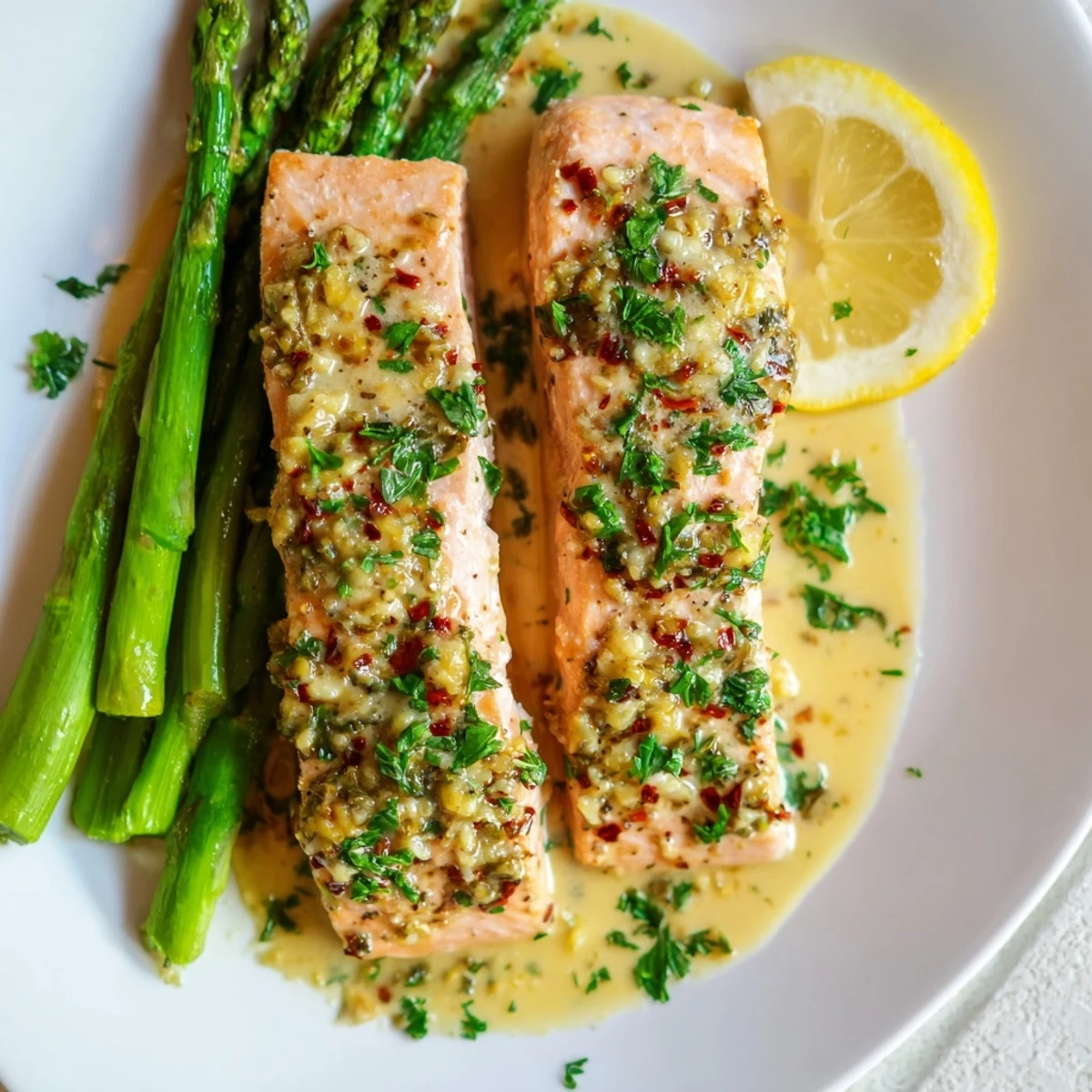
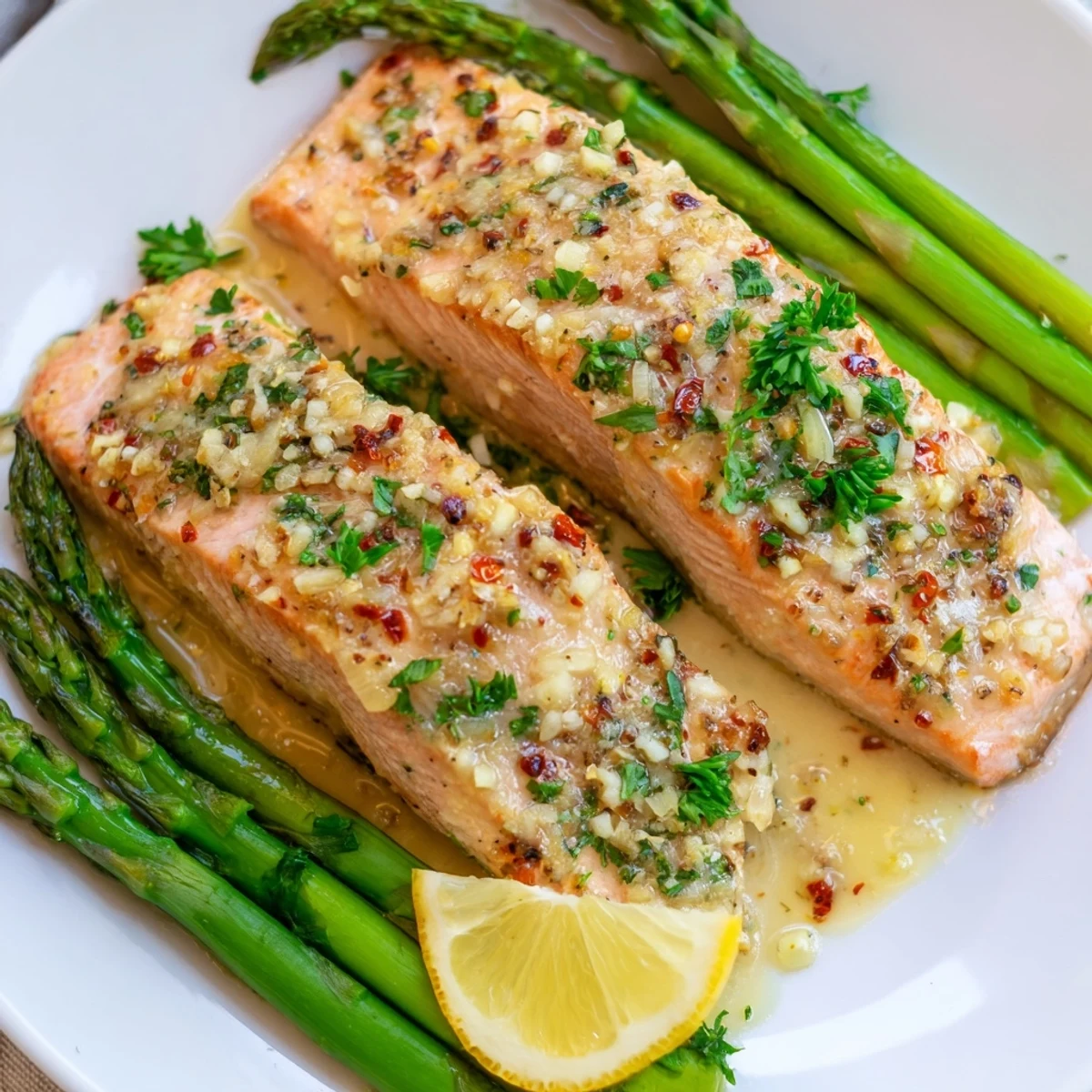
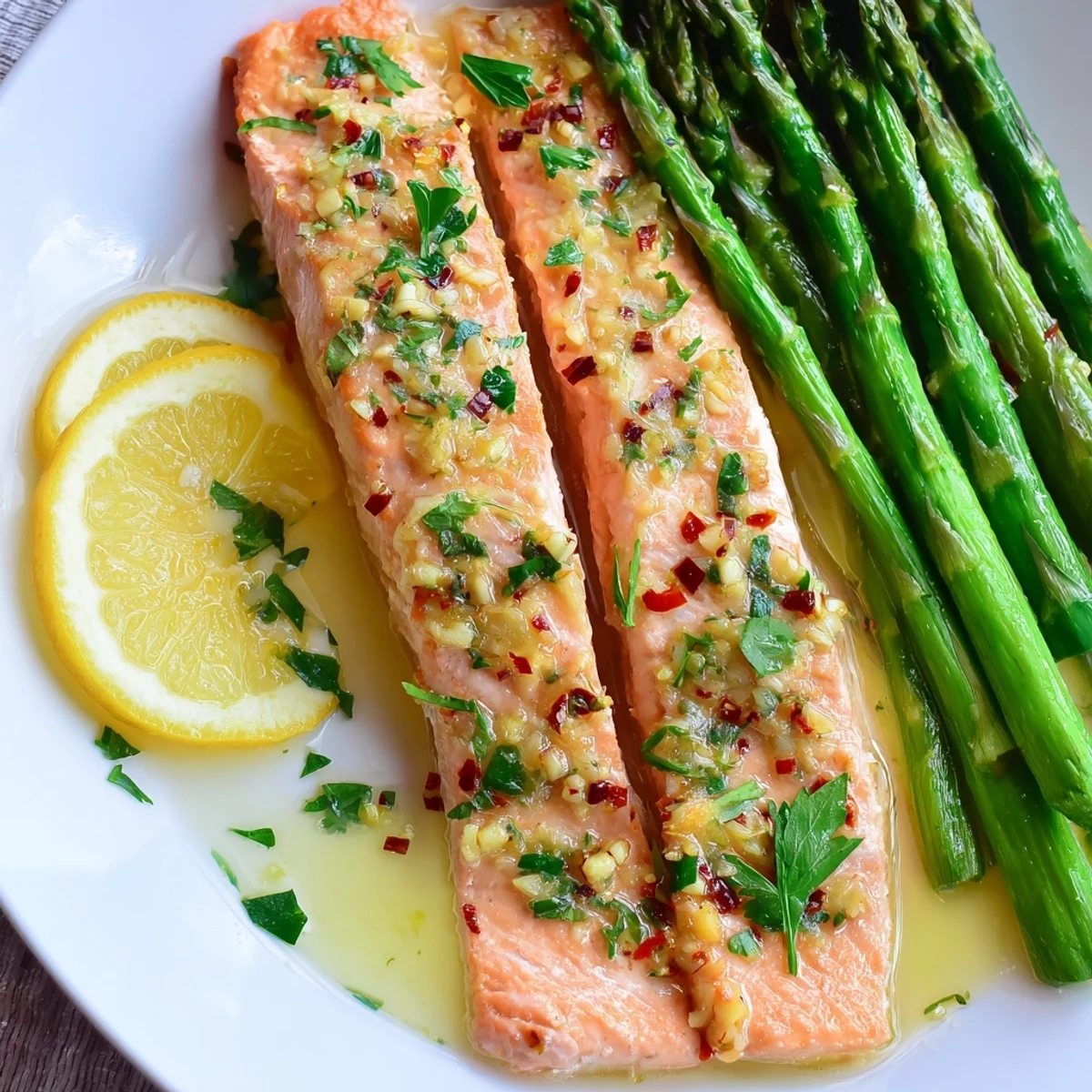
 This dish features salmon fillets baked at 400°F until flaky, coated with a zesty lemon garlic butter sauce. Tender asparagus spears are roasted alongside, lightly tossed in the same flavorful butter mixture to create a balanced, bright complement. The combination delivers fresh citrus notes and subtle heat from optional red pepper flakes, finished with chopped parsley and lemon slices for garnish. This simple yet elegant approach offers a quick main that highlights natural seafood and vegetable flavors while supporting gluten-free and pescatarian diets.
There's something about the smell of garlic and lemon hitting a hot pan that makes you feel like you've got your life together, even if you're just throwing dinner together on a Wednesday night. I discovered this salmon and asparagus combination during one of those moments when I needed something elegant but didn't have the energy to fuss—and somehow it turned into the meal I make whenever I want to feel accomplished without the stress. The butter melts into this golden sauce that coats everything, and honestly, it's become my go-to for impressing people without revealing how ridiculously easy it is.
I remember making this for my friend Sarah who had just gone pescatarian, and I was genuinely worried I'd disappoint her with my limited seafood repertoire. But when she took that first bite and closed her eyes, I knew I'd stumbled onto something special—the way the butter and lemon made the salmon so tender it practically melted, and the asparagus had just enough snap to it. That dinner turned into a regular thing, and now it's the meal she specifically requests when she comes over.
Ingredients
- Salmon fillets (4, about 6 oz each): Look for wild-caught if you can find it, and let them sit at room temperature for a few minutes before cooking—they'll cook more evenly and stay incredibly moist.
- Fresh asparagus spears (1 lb, trimmed): Hold each spear near the bottom and bend gently until it snaps at its natural breaking point, tossing the woody ends.
- Unsalted butter (3 tablespoons, melted): The unsalted part matters because you're controlling the salt level, and good butter makes this sauce silky.
- Olive oil (3 tablespoons): This keeps the butter from browning too quickly and adds richness without heaviness.
- Garlic (4 cloves, minced): Fresh garlic is non-negotiable here—jarred just won't give you that bright, sharp flavor that makes the whole dish sing.
- Lemon (1 whole lemon, zested and juiced): Zest it before you juice it, and don't be shy—the zest holds the most vibrant lemon flavor.
- Salt and black pepper: Season generously; the sauce needs enough salt to balance the acidity from the lemon.
- Red pepper flakes (½ teaspoon, optional): A tiny pinch adds a subtle warmth that makes people ask what's in there.
- Fresh parsley (2 tablespoons, chopped): Stir it in at the very end so it stays bright green and fresh.
- Lemon slices, for serving: These are your finishing touch and a little visual reminder of what makes this dish work.
Instructions
- Get your oven ready:
- Preheat to 400°F and line your baking sheet with parchment paper or foil—this prevents sticking and makes cleanup feel like less of a betrayal. You want everything ready to go before the salmon hits the sheet.
- Arrange your proteins and vegetables:
- Place the salmon on one side of the sheet and the asparagus on the other, giving them room to cook evenly. I like salmon on the side that gets slightly more direct heat if your oven has hot spots.
- Make the magic sauce:
- Whisk together the melted butter, olive oil, minced garlic, lemon zest, lemon juice, salt, pepper, and red pepper flakes in a small bowl. The mixture should smell almost aggressively good at this point—if it doesn't, your garlic is probably not fresh enough.
- Coat everything:
- Drizzle the butter mixture over both the salmon and asparagus, making sure the asparagus gets tossed gently so it's completely coated. The salmon should be mostly covered, with sauce pooling around it.
- Bake until golden:
- Slide the sheet into the oven for 12 to 15 minutes—the exact timing depends on your oven and how thick your fillets are. The salmon is done when it flakes easily with a fork and has turned from translucent to opaque, and the asparagus should be tender-crisp with just a little resistance when you pierce it.
- Finish and plate:
- Pull everything out, sprinkle with fresh parsley, and serve immediately with lemon slices on the side. Pour any sauce from the pan onto the plate—that's where all the flavor is hiding.
 Pin it
 There was one night when I made this for my parents, and my dad—who is notoriously critical about fish—actually went back for seconds and asked for the recipe to make it himself. That moment of quiet pride while he ate made me realize this isn't just an easy weeknight meal; it's become the thing I make when I want to remind people (and myself) that taking care of them through good food doesn't have to be complicated.
Timing and Temperature Secrets
The key to this recipe is respecting the clock and your oven's personality. I learned this the hard way after several batches of overcooked salmon before I started checking at 12 minutes instead of waiting the full 15. Every oven is different—mine runs hot, so I actually pull the sheet out at 13 minutes and let the residual heat finish the job while I'm finishing the sauce. Room temperature salmon cooks more evenly than cold salmon straight from the fridge, so pull your fillets out while you're prepping the asparagus and making the sauce.
Why This Combination Works
Lemon and garlic are the classic pairing that makes everything taste better, but butter is what brings them together into something almost creamy without being heavy. The asparagus adds a gentle earthiness and texture contrast that makes each bite interesting instead of repetitive. Salmon is fatty enough to stand up to acidic lemon without becoming too sharp, and the meatiness of the fish means you don't need much else to feel satisfied.
Serving and Pairing Ideas
This is flexible enough to work with whatever sides you've got hanging around, but it really shines when you have something to soak up the sauce. A side of rice, quinoa, or crusty bread transforms the sauce from a garnish into the reason you came back for seconds. For drinks, a crisp Sauvignon Blanc or Pinot Grigio cuts through the richness beautifully, or stick with sparkling water if that's more your speed.
- Serve with garlic bread to make the meal feel more substantial without adding much extra work.
- A simple arugula salad with lemon vinaigrette on the side adds brightness and texture without competing with the main dish.
- Roasted potatoes with herbs are a heartier option if you're feeding people with bigger appetites.
 Pin it
 This meal has become my answer to the question 'what should we eat tonight?' because it feels special without feeling stressful. That's worth something.
Recipe Q&A
- → How do I prevent salmon from drying out?
-
Coating the salmon with the lemon garlic butter mixture helps retain moisture during baking. Avoid overcooking by baking just 12–15 minutes until it flakes easily.
- → Can I use other vegetables instead of asparagus?
-
Yes, green beans or broccoli make excellent alternatives roasted with the same butter sauce for a similar texture and flavor profile.
- → What is the best way to zest and juice a lemon?
-
Use a microplane or fine grater to zest the lemon skin, avoiding the bitter white pith. Then cut lemon in half and squeeze juice carefully to catch seeds.
- → How can I add more heat to the dish?
-
Including crushed red pepper flakes in the butter sauce introduces a subtle spice. Adjust quantity to your preferred heat level.
- → What wine pairs well with this meal?
-
Crisp white wines like Sauvignon Blanc or Pinot Grigio complement the citrus and buttery flavors, enhancing the dining experience.