
 Pin it
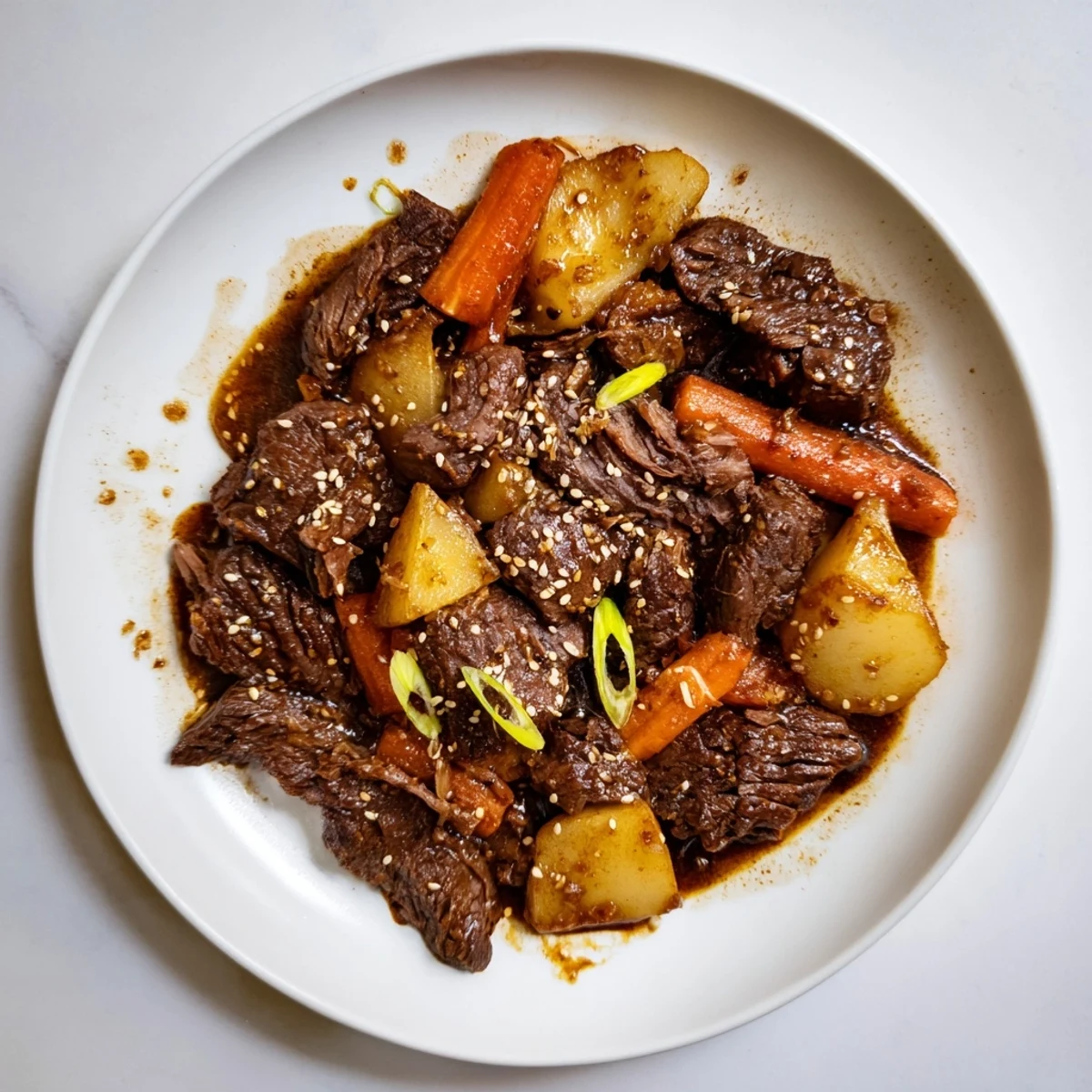
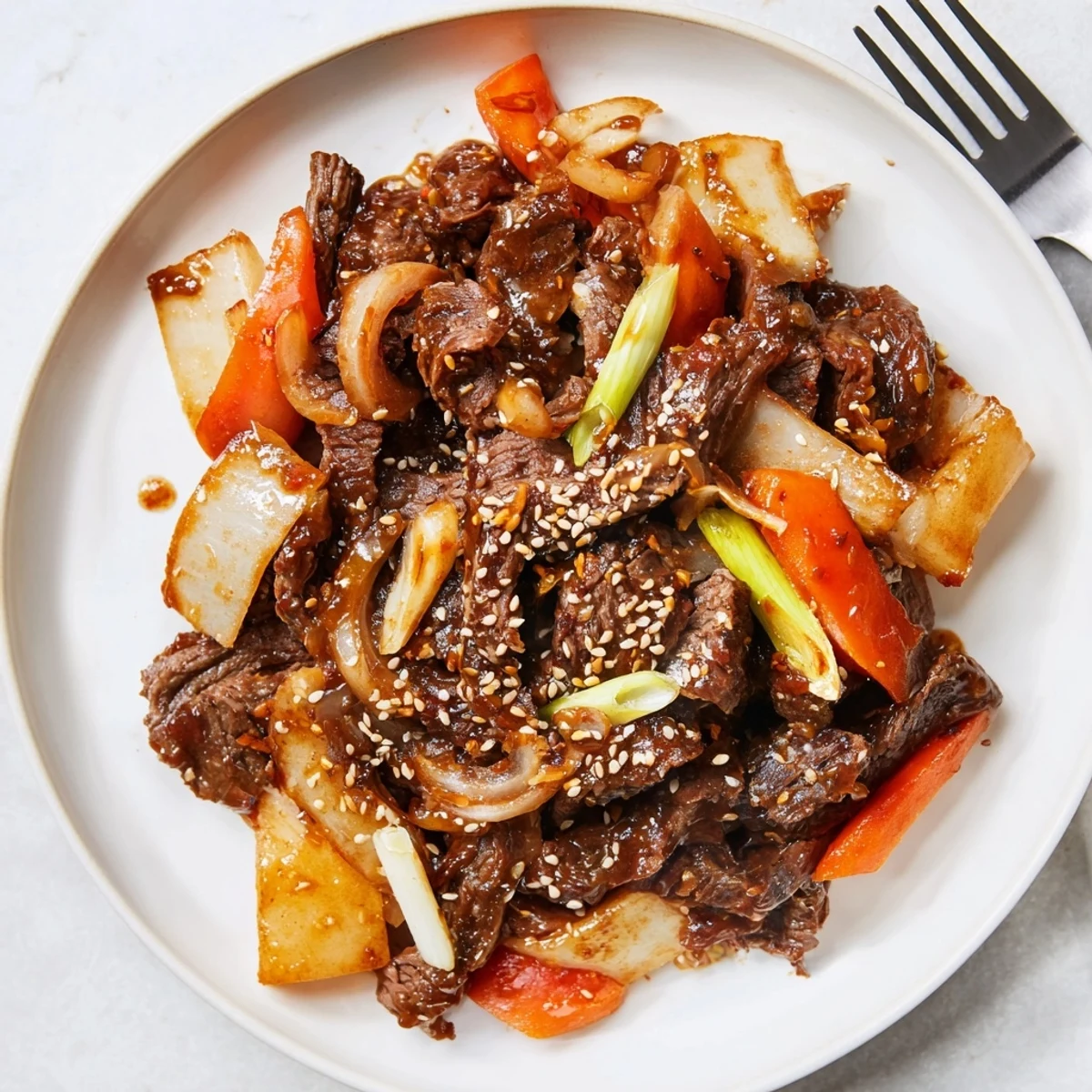
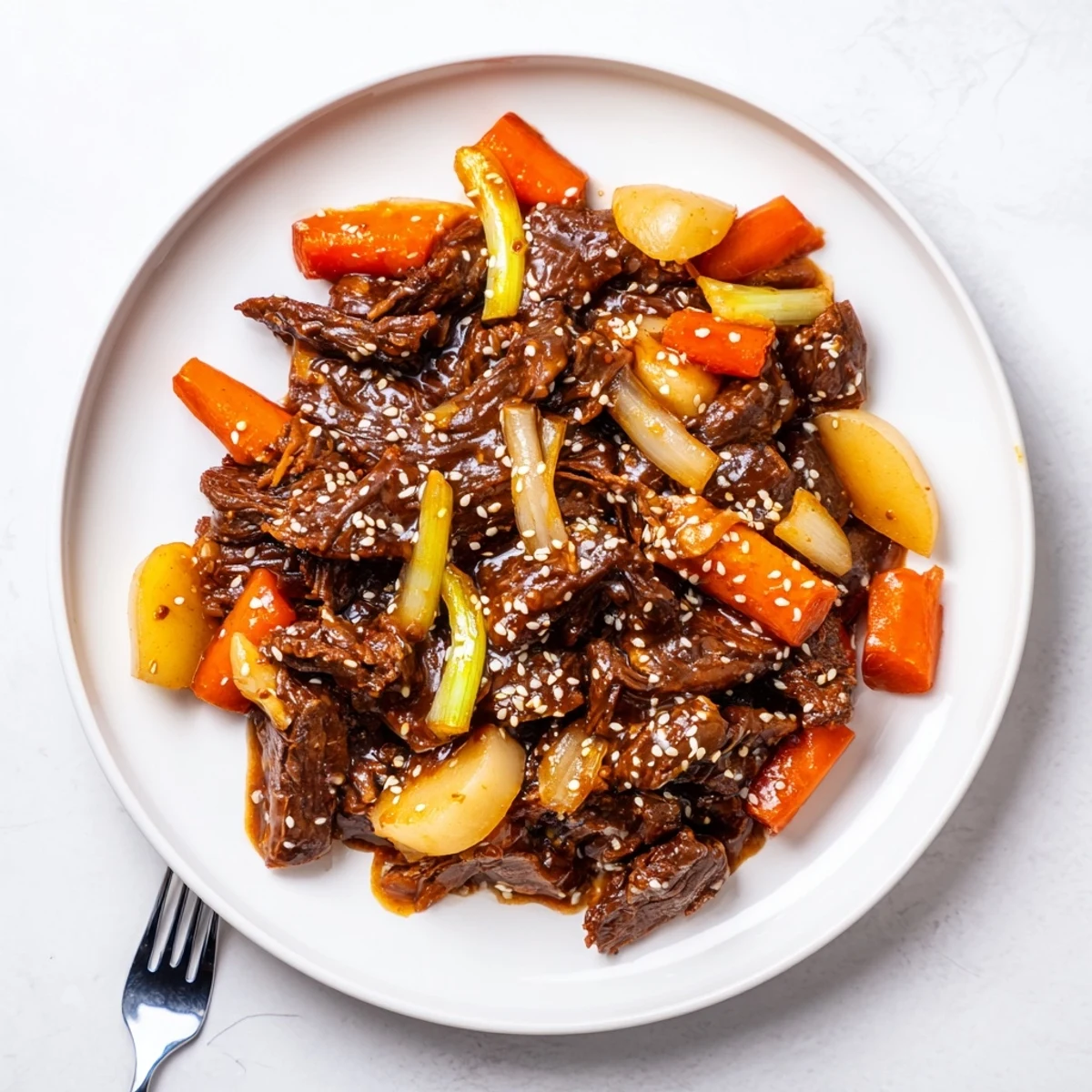
 This slow-cooked beef chuck roast transforms into meltingly tender meat after three hours in the oven. The Korean-inspired sauce combines soy sauce, gochujang chili paste, garlic, ginger, and sesame oil for a perfect balance of savory and sweet flavors. Root vegetables like carrots and daikon radish soak up the rich sauce as they cook alongside the beef. The result is a comforting main dish that's naturally dairy-free and serves six people generously.
The first time I made this Korean-style pot roast, my kitchen smelled like something between a grandmother's Sunday dinner and a bustling Seoul night market. I'd been craving comfort food but wanted something different from the usual herbs and wine route. The gochujang sat in my fridge for months, staring at me every time I reached for the hot sauce. That afternoon, I took the leap, and my husband walked in from work asking what on earth I was making that smelled so incredible.
I served this for my parents' anniversary dinner last winter, watching my normally reserved father go back for thirds. My mom kept asking what the secret ingredient was, convinced I'd ordered from some fancy fusion restaurant downtown. The beef was falling apart at the mere suggestion of a fork, and that sauce had thickened into something magical. They still talk about that meal, especially how the vegetables soaked up all that Korean-spiced goodness.
Ingredients
- Beef chuck roast: This cut needs long slow cooking to break down the connective tissue into melting tenderness. Trim away excess fat but leave enough to keep things moist during those three hours.
- Low-sodium soy sauce: Regular soy sauce might make things too salty since the sauce reduces. You can always add more later but you cannot take it back.
- Gochujang: This Korean chili paste brings fermented depth, gentle heat, and a slightly sweet complexity. Find it in the Asian aisle or at an Asian market.
- Fresh ginger: Peel and grate it right before you need it. The flavor pops so much more than ground ginger ever could.
- Daikon radish: It becomes butter-soft and absorbs all that sauce flavor like a sponge. Potatoes work in a pinch but daikon is traditional for good reason.
Instructions
- Get the oven ready and season the beef:
- Preheat that oven to 325°F and pat the chuck roast completely dry with paper towels. Sprinkle it all over with kosher salt and black pepper.
- Sear until deeply golden:
- Heat your Dutch oven over medium-high with a splash of oil. Sear every side until it's got that gorgeous dark brown crust that means flavor.
- Build the sauce in a bowl:
- Whisk together the soy sauce, beef broth, brown sugar, rice vinegar, gochujang, sesame oil, honey, ginger, and garlic. It should smell incredible already.
- Layer everything together:
- Sauté the onions briefly then return the beef to the pot. Nestle the carrots, daikon, and scallion pieces around the meat and pour that sauce over everything.
- Let the oven work its magic:
- Bring it to a simmer on the stove, cover tightly, and slide it into the oven. Walk away for three hours and let it get meltingly tender.
- Finish and serve:
- Slice or shred the beef and arrange it on a platter with the vegetables. Skim the fat from the sauce, reduce it if you want it thicker, and drizzle it over everything with sesame seeds and scallions.
 Pin it
 This roast became our snow day tradition last year. Whenever the forecast called for flakes, I'd get the chuck roast out of the freezer. Something about those Korean spices warming the house while snow piled up outside felt so right. Friends started showing up with rice on standby, knowing what was happening in my kitchen.
Making It Ahead
The flavor actually gets better overnight. Make it a day before, let it cool completely, and refrigerate. The fat solidifies on top so you can remove it easily before reheating. Reheat gently on the stove with a splash of water or broth to loosen the sauce.
Serving Ideas
Steamed white rice is the classic choice but cauliflower rice works beautifully if you are watching carbs. Kimchi on the side adds perfect crunch and tang. The leftovers make incredible tacos or rice bowls the next day.
Freezing Instructions
This freezes exceptionally well for up to three months. Portion the beef and sauce into freezer bags or containers, press out excess air, and label. Thaw overnight in the refrigerator then reheat slowly on the stove.
- Freeze the sauce separately from the beef if you prefer more control over reheating
- Add a splash of beef broth when reheating if the sauce seems too thick
- The vegetables will be softer after freezing and reheating but still delicious
 Pin it
 There is something so satisfying about a dish that bridges cultures and brings people together around the table. This pot roast has that magical quality of feeling both completely new and wonderfully familiar all at once.
Recipe Q&A
- → What cut of beef works best for this dish?
-
Chuck roast is ideal because it becomes meltingly tender after long, slow cooking. The marbling breaks down during the three-hour oven time, creating succulent, fork-shreddable meat.
- → Can I make this in a slow cooker instead?
-
Yes, cook on low for 8-10 hours or on high for 4-5 hours. Sear the beef first in a skillet, then transfer everything to your slow cooker.
- → What can I substitute for gochujang?
-
Mix equal parts miso paste with sriracha or red pepper flakes for similar heat and umami. The flavor profile won't be identical but still delicious.
- → Is this dish very spicy?
-
The gochujang provides mild to medium heat depending on the brand. You can adjust the spice level by adding more or less chili paste.
- → What sides complement this roast?
-
Steamed jasmine rice helps soak up the flavorful sauce. Kimchi adds tangy contrast, while simple steamed broccoli or bok choy balances the richness.
- → How long does this keep in the refrigerator?
-
Store in an airtight container for up to 4 days. The flavors actually deepen and improve after a day or two. Reheat gently on the stove.