
 Pin it
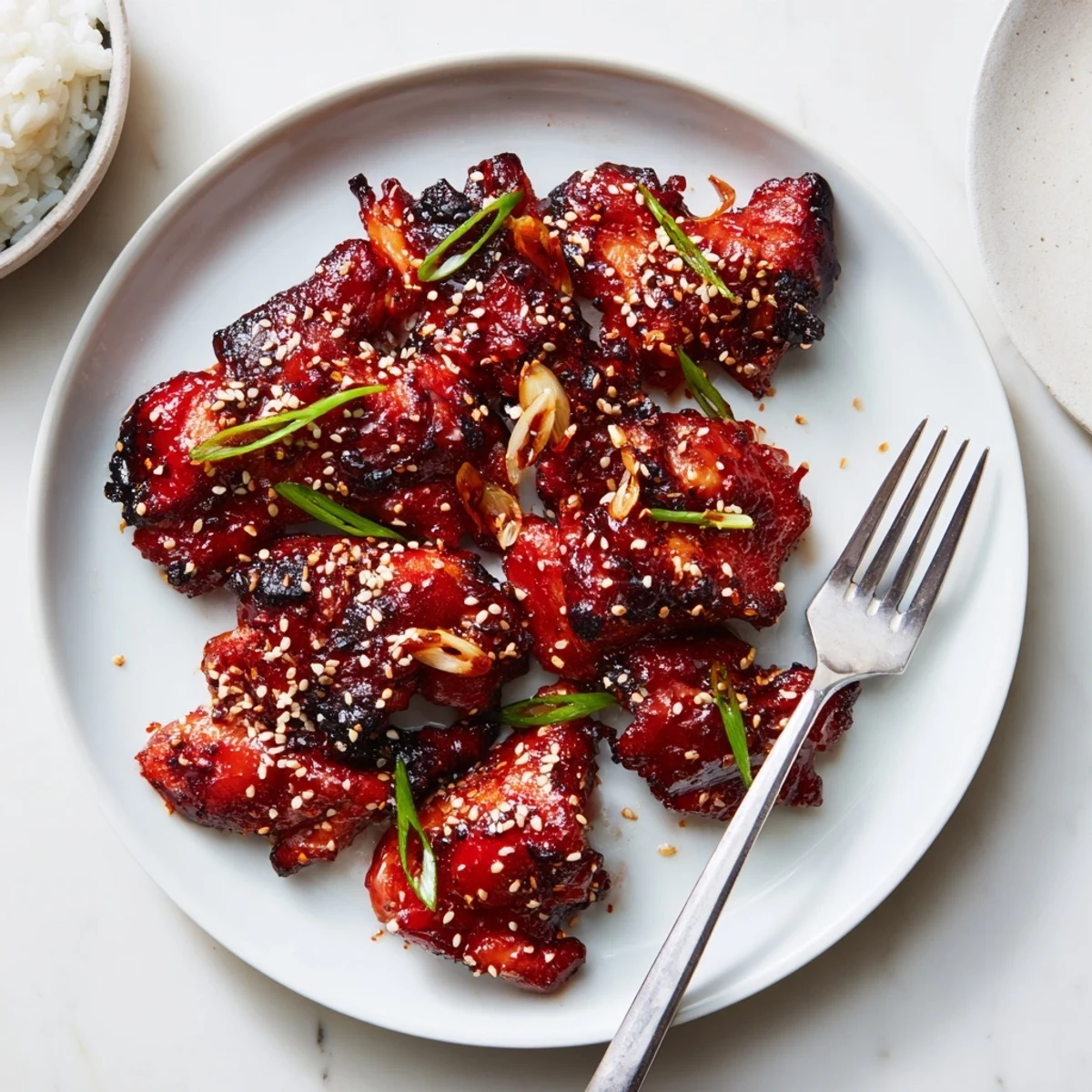
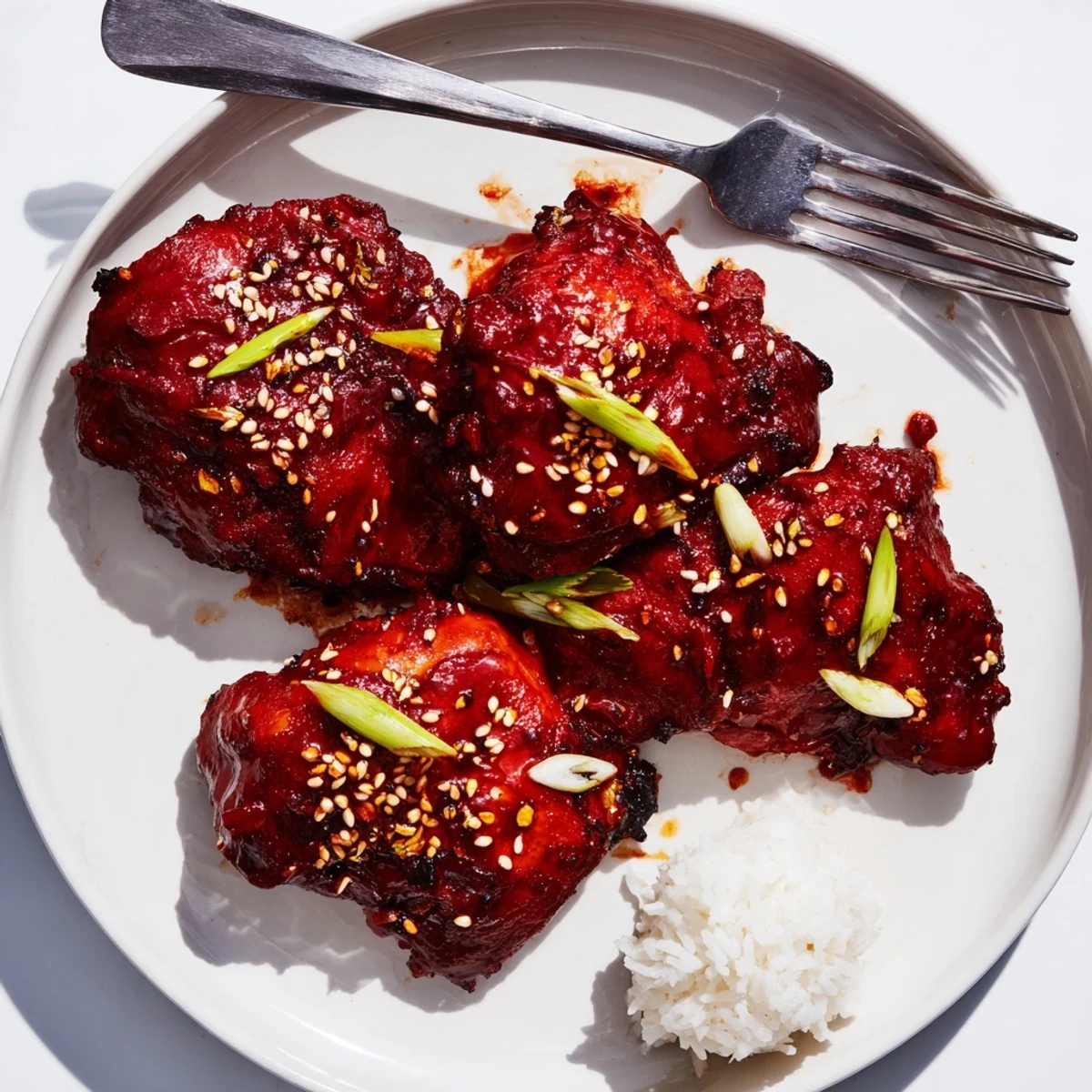
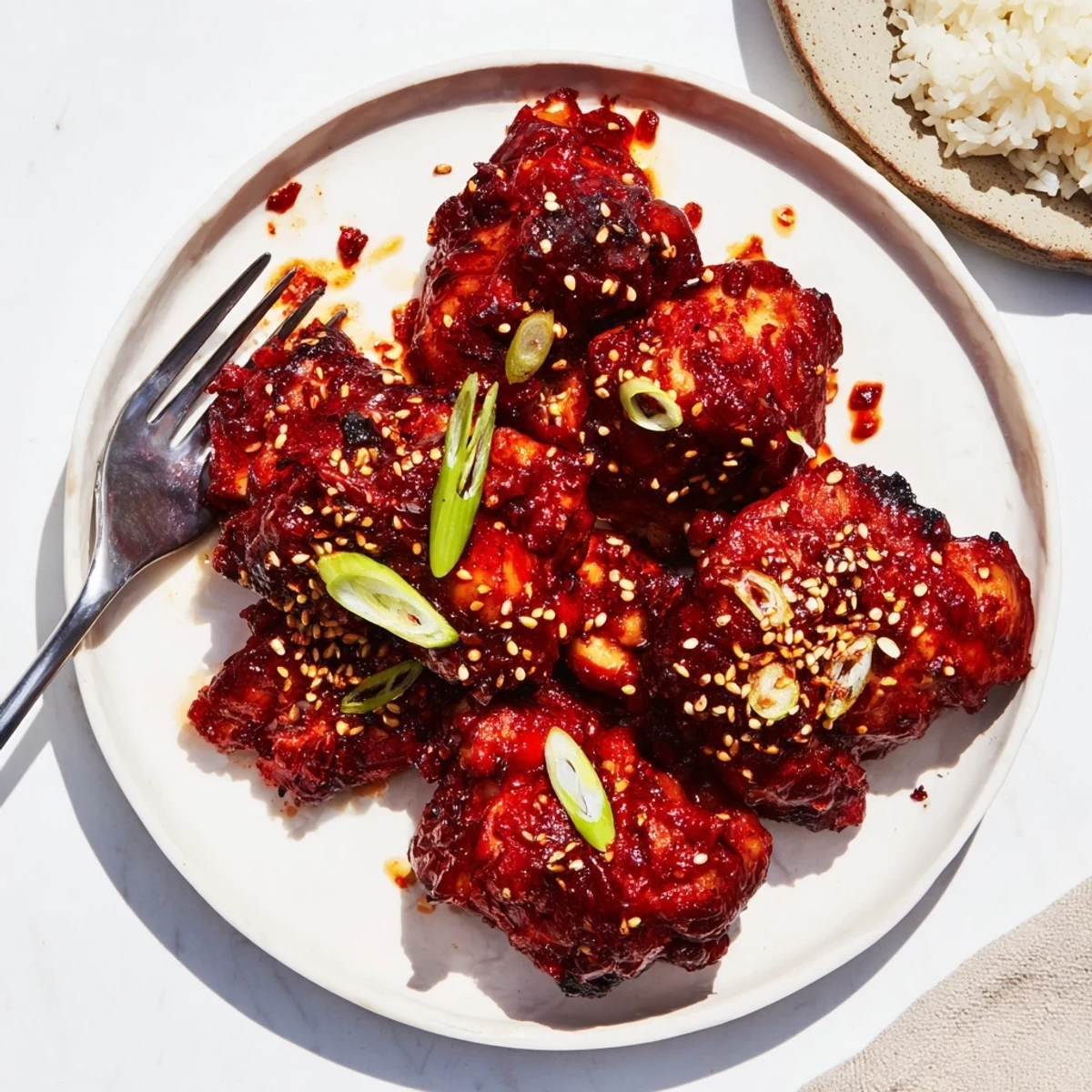
 This gochujang chicken delivers a perfect balance of spicy, savory, and slightly sweet flavors in every bite. Boneless chicken thighs are marinated in a rich blend of Korean red chili paste, soy sauce, honey, rice vinegar, sesame oil, garlic, and ginger.
The marinated chicken is seared in a hot skillet until deeply caramelized and cooked through, then finished with toasted sesame seeds and fresh spring onion. Serve it over steamed white rice alongside vegetables for a complete meal that comes together in just 40 minutes.
The smell of toasting sesame oil hit me before I even realized what my neighbor was cooking through our shared apartment wall, and within weeks I was hooked on Korean flavors enough to attempt my own gochujang glaze. That first batch was aggressively spicy, almost painfully so, but something about the fermented depth kept me going back for another bite. This chicken became my weeknight obsession, the dish I make when takeout cravings hit but my wallet disagrees. Its sticky, caramelized, and deeply savory in a way that feels like you spent far more than forty minutes on it.
My friend Dave stopped by unannounced one Tuesday evening and caught me mid sear, tongs in one hand and a beer in the other, and he ended up staying for three helpings. Now he texts me every Sunday asking if the red chicken is happening again. I have stopped pretending I have any other plans.
Ingredients
- 800 g boneless skinless chicken thighs: Thighs are nonnegotiable here because they stay juicy through the aggressive sear, while breast meat will dry out before the glaze caramelizes properly.
- 3 tbsp gochujang: This fermented Korean chili paste is the heart of everything, so buy a tub and keep it in your fridge because you will want it again.
- 2 tbsp soy sauce: Adds salt and depth that rounds out the sweetness from the honey beautifully.
- 2 tbsp honey: The sugar content is what helps the marinade bubble and caramelize into that gorgeous sticky coating.
- 1 tbsp rice vinegar: A subtle brightness that keeps the richness from feeling heavy.
- 1 tbsp sesame oil: Toasted sesame oil is pure aromatic magic, so drizzle it at the end rather than wasting it in the cooking process.
- 3 cloves garlic minced: Fresh garlic only, because the jarred stuff lacks the sharp bite that balances the fermented sweetness.
- 1 tbsp ginger grated: Microplane it directly into the bowl so none of those volatile oils escape.
- 1 tsp toasted sesame seeds: More for texture and visual appeal than flavor, but they make it look like you tried.
- 1 spring onion thinly sliced: A sharp fresh contrast sprinkled on at the very end.
- Cooked white rice or steamed vegetables: You absolutely need something to soak up the extra sauce pooled at the bottom of the plate.
Instructions
- Build the marinade:
- Whisk gochujang, soy sauce, honey, rice vinegar, sesame oil, garlic, and ginger in a large bowl until smooth and uniform, tasting a tiny dab on your finger to check the balance of sweet, salty, and heat.
- Coat the chicken:
- Toss the chicken pieces into the bowl and use your hands to massage the marinade into every crevice, because a spoon simply will not get the job done here.
- Let it rest:
- Give it at least ten minutes at room temperature, though two hours in the fridge will reward you with noticeably deeper flavor penetration.
- Get the pan screaming hot:
- Preheat a large skillet or grill pan over medium high heat until a drop of water sizzles and evaporates on contact, because a cold pan means boiled chicken instead of caramelized.
- Sear with patience:
- Cook the chicken pieces for six to eight minutes per side without crowding the pan, letting that honey caramelize into dark sticky edges rather than constantly flipping and disturbing the crust.
- Finish and serve:
- Pull the pan off the heat, scatter sesame seeds and sliced spring onion over the top, and serve immediately over steamed rice while the glaze is still glossy and warm.
 Pin it
 The second time I made this for a small dinner gathering, everyone went quiet after the first bite, which is either the highest compliment or a sign they were all stunned I had finally learned to cook something decent. I choose to believe it was the former.
Handling the Heat
Gochujang varies wildly in intensity depending on the brand, so taste yours straight before committing to the full amount. My first tub was shockingly mild and my second one nearly cleared my sinuses, so I learned to adjust rather than assume.
Making It Your Own
Throw in a teaspoon of gochugaru if you want genuine fire, or swap thighs for breasts if you are watching fat, though you will lose some of that luxurious juiciness. I have tossed in broccoli florets during the last few minutes of cooking and called it a complete meal without any guilt.
Serving and Storing
Leftovers keep beautifully for three days in an airtight container and reheat well in a skillet with a splash of water to loosen the glaze. I have never successfully frozen this because the texture of the sauce changes, but honestly it never lasts long enough to find out.
- Always let the chicken rest for two minutes after cooking so the juices redistribute instead of running out onto your plate.
- A squeeze of lime right before serving wakes up the whole dish if it tastes a bit flat.
- Double the marinade and reserve half before adding raw chicken to drizzle over rice as a quick sauce.
 Pin it
 This is the kind of recipe that earns a permanent spot in your rotation, the one friends will specifically request and you will happily oblige because it asks so little and delivers so much. Keep that tub of gochujang stocked and you are never more than forty minutes from something extraordinary.
Recipe Q&A
- → What is gochujang and where can I find it?
-
Gochujang is a Korean red chili paste made from fermented soybeans, glutinous rice, and chili peppers. It has a thick, sticky consistency with a complex sweet, savory, and spicy flavor. You can find it in most grocery stores in the international aisle or at Asian markets.
- → Can I use chicken breasts instead of thighs?
-
Yes, chicken breasts work well but will cook faster and yield slightly less juicy results. Reduce the cooking time by 1–2 minutes per side and watch carefully to avoid overcooking. Pound the breasts to an even thickness for more uniform cooking.
- → How spicy is this dish?
-
The heat level is moderate, as gochujang provides more umami depth than intense spiciness. For extra heat, add a teaspoon of gochugaru (Korean chili flakes) to the marinade. To tone it down, reduce the gochujang slightly and add extra honey.
- → How long should I marinate the chicken?
-
A minimum of 10 minutes gives decent flavor, but marinating for 1–2 hours in the refrigerator allows the chicken to absorb the marinade more deeply. You can marinate up to overnight for the most intense flavor development.
- → What sides pair well with gochujang chicken?
-
Steamed white rice is the classic pairing to soak up the flavorful sauce. Steamed bok choy, a simple cucumber salad, pickled radish, or stir-fried vegetables all complement the dish beautifully and add refreshing contrast.
- → Can I make this dish gluten-free?
-
Absolutely. Simply substitute regular soy sauce with tamari or a certified gluten-free soy sauce. Double-check the gochujang label as well, since some brands may contain wheat-based additives.