
 Pin it
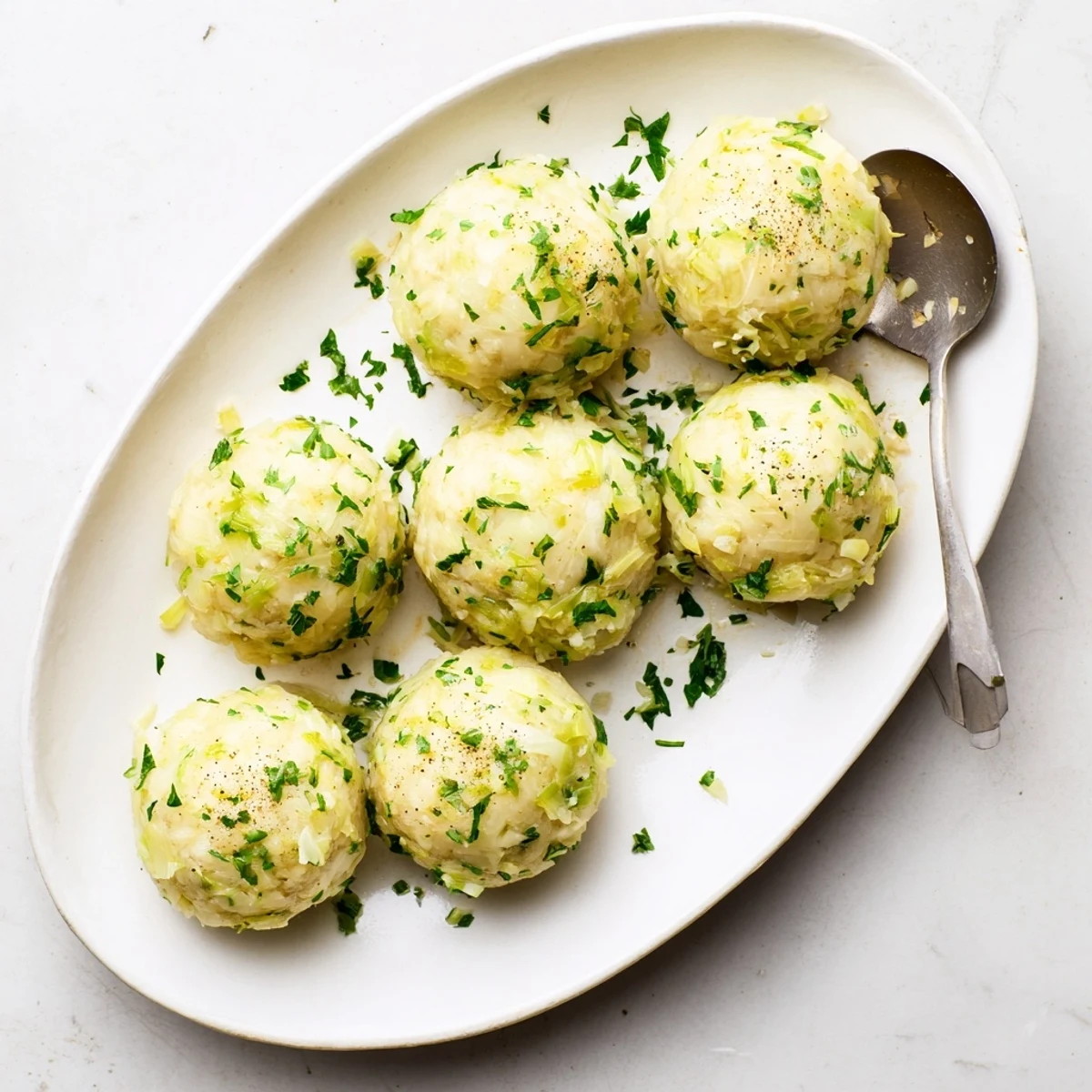
 These traditional German dumplings feature tender shredded cabbage sautéed with butter and onions, combined with soaked bread, eggs, and aromatic spices like nutmeg and parsley. The mixture is shaped into rounds and gently simmered in vegetable broth until firm and fluffy throughout.
Perfect as a hearty main dish or comforting side, these vegetarian dumplings deliver authentic German flavors with a wonderfully light texture. Serve with creamy mushroom sauce or melted butter for an extra rich experience.
My grandmother never measured anything when making these dumplings, she would just pinch and taste until the mixture felt right. The kitchen would fill with the sweet aroma of cabbage and nutmeg, and I learned to recognize that perfect slightly sticky consistency by touch alone. Now whenever I shred cabbage for this recipe, I'm transported back to her tiny kitchen with the worn wooden table where she taught me the magic of transforming humble ingredients into something extraordinary.
Last winter, during a particularly gray week, I made a double batch and invited neighbors over. We sat around the table, steam rising from our bowls, and suddenly the conversation turned to everyone's grandmother recipes and the memories attached to them. Food has this way of opening doors to stories we didn't know we needed to tell.
Ingredients
- Small head green cabbage (about 700 g): Fresh, tightly packed heads work best here, as they hold up beautifully during cooking and provide that essential sweet undertone
- Medium onion: Finely diced so it melts into the cabbage, creating layers of aromatic sweetness
- Unsalted butter (2 tbsp): The foundation of flavor, so use good quality butter and let it foam gently before adding your aromatics
- Large eggs (2): Room temperature eggs incorporate better, creating that tender structure that makes these dumplings so special
- Whole milk (120 ml): Full fat milk creates the richest texture, though I've used warm milk to speed up the bread softening process
- Day-old white bread (200 g): The secret to perfect dumplings, slightly stale bread absorbs milk without becoming gummy
- All-purpose flour (60 g): Just enough to bind everything together while keeping the texture light and airy
- Ground nutmeg (1/2 tsp): Freshly grated transforms the dish, adding warmth that makes these distinctly German
- Ground black pepper (1/2 tsp): Freshly cracked provides brightness that cuts through the richness
- Salt (1 tsp): Essential for bringing all the flavors together
- Fresh parsley (2 tbsp): Adds a bright, herbal finish that cuts through the comforting richness
- Vegetable broth (1.5 liters): A flavorful, gentle simmering liquid that infuses the dumplings as they cook
Instructions
- Sauté the aromatics:
- Melt butter in a large skillet over medium heat until it foams, then add diced onion and cook until translucent and fragrant, about 2-3 minutes, stirring occasionally.
- Soften the cabbage:
- Add shredded cabbage and a pinch of salt to the skillet, cooking for 10-12 minutes until softened and sweet, stirring occasionally to prevent browning, then let cool slightly.
- Prepare the bread base:
- Combine bread cubes and milk in a large bowl, letting soak for 5-10 minutes until the bread is completely soft and yielding, then mash gently with a fork until mostly smooth.
- Form the dumpling mixture:
- Add eggs, flour, nutmeg, pepper, salt, parsley, and cooled cabbage to the soaked bread, mixing thoroughly until you have a uniform, slightly sticky dough that holds together when pressed.
- Shape the dumplings:
- With damp hands to prevent sticking, form the mixture into 8 equal rounds, handling gently to keep them light and airy.
- Simmer to perfection:
- Bring vegetable broth to a gentle simmer and carefully add dumplings, cooking for 18-20 minutes until firm and cooked through, maintaining a gentle simmer rather than a rolling boil.
- Serve immediately:
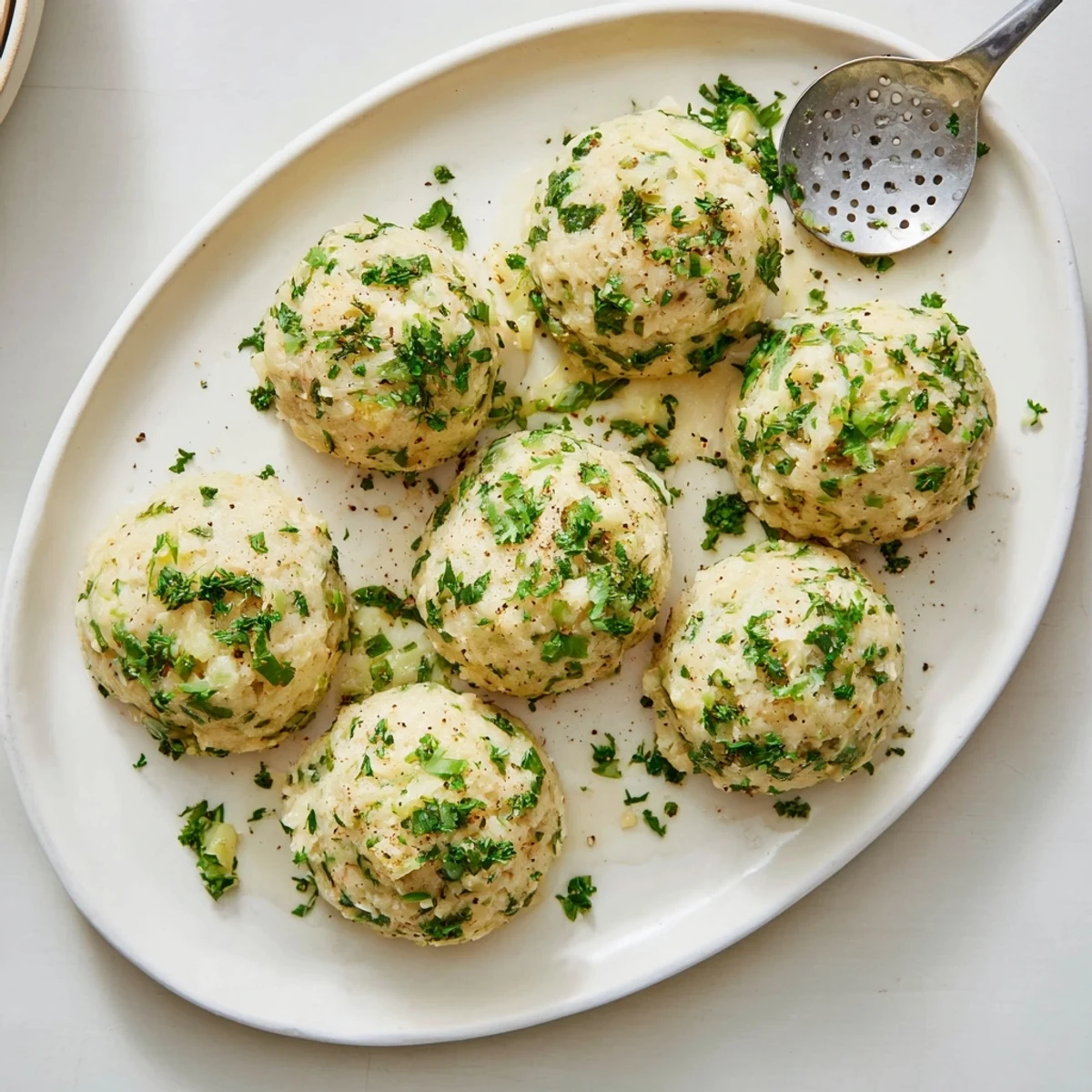
- Lift dumplings carefully with a slotted spoon and serve hot, perhaps with a little extra broth, parsley, or melted butter.
 Pin it
 These dumplings have become my go-to comfort food, the dish I make when nothing sounds better than something simple and nourishing. There's something meditative about shaping each dumpling, and watching them bob gently in the broth never fails to make me smile.
Getting the Texture Right
The dumpling mixture might feel alarmingly loose and sticky, almost too wet to hold together. Resist the urge to add more flour, that moisture is exactly what creates the final light and fluffy texture we're after. If you're having trouble shaping them, wet your hands more frequently and work gently but confidently.
Make Ahead Wisdom
You can prepare the cabbage mixture up to two days in advance, storing it in the refrigerator until you're ready to mix and shape the dumplings. This actually helps the flavors develop and merge beautifully. I often do the cabbage prep in the morning so the evening cooking feels relaxed and effortless.
Serving Ideas
These dumplings shine alongside a simple green salad with vinaigrette, which cuts through their richness. They also pair beautifully with roasted vegetables or a light tomato soup for a complete meal. For a heartier German inspired plate, serve with braised red cabbage or roasted potatoes.
- A dollop of sour cream or crème fraîche on top adds a lovely tangy contrast
- Toasted breadcrumbs tossed with butter make a delicious crunchy topping
- Leftover dumplings reheat beautifully in simmering broth or can be sliced and pan-fried until golden
 Pin it
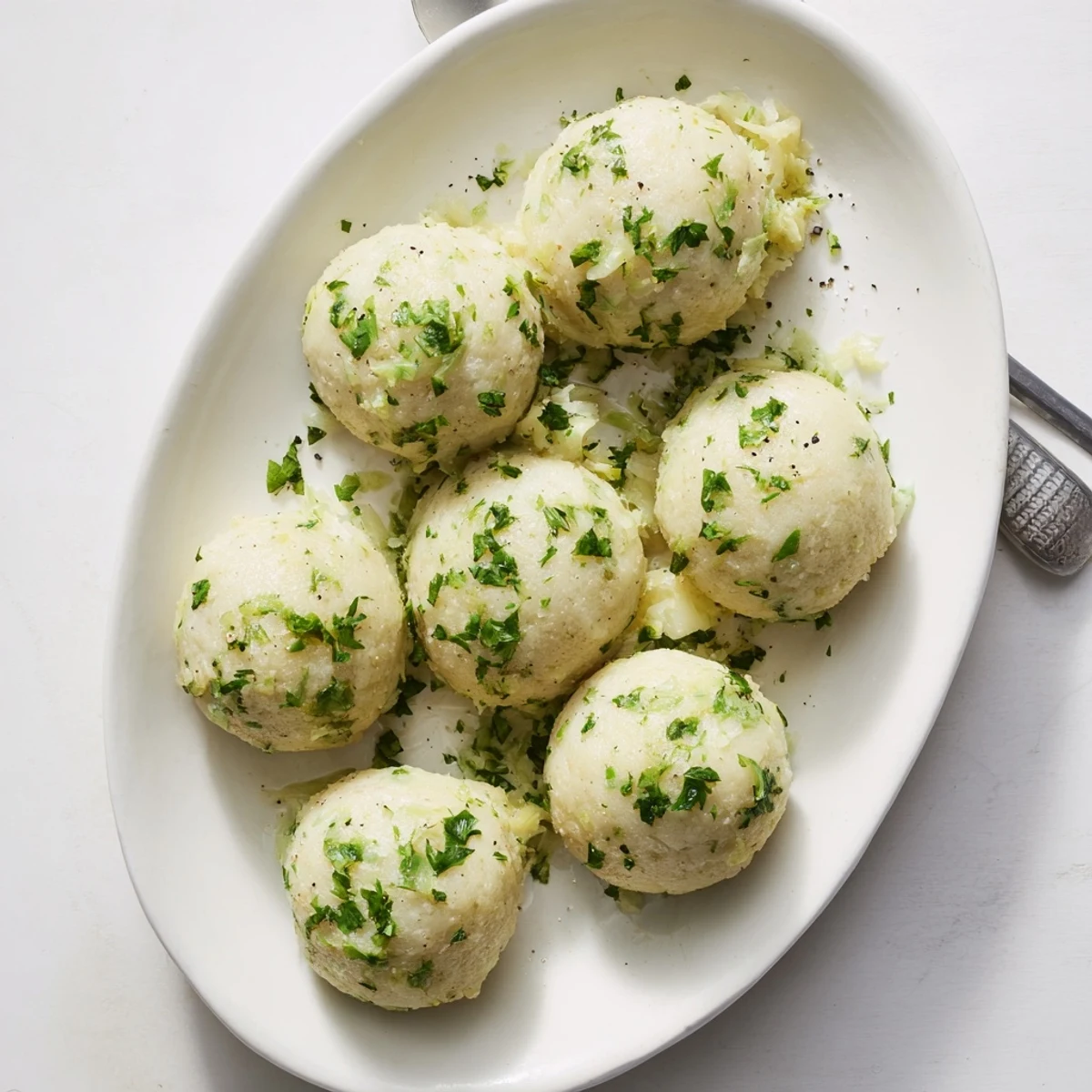
 I hope these dumplings find a regular place in your kitchen rotation, bringing comfort and joy to your table just as they have to mine for so many years.
Recipe Q&A
- → What makes these dumplings authentic German?
-
The combination of soaked bread (semmelknödel base), aromatic nutmeg, and tender sautéed cabbage reflects traditional German cooking methods. The gentle simmering technique in broth creates the characteristic light, fluffy texture found in classic German dumplings.
- → Can I prepare the dough ahead of time?
-
Yes, you can prepare the cabbage mixture and soaked bread base up to 24 hours in advance. Store separately in the refrigerator and combine with remaining ingredients just before shaping and cooking for best results.
- → How do I know when the dumplings are done?
-
The dumplings are ready when they feel firm to the touch and float freely in the simmering broth, typically after 18–20 minutes. You can also cut one open to verify the center is cooked through and no longer raw.
- → What sauces pair well with these dumplings?
-
Creamy mushroom sauce, brown butter with crispy onions, or rich beef gravy are classic accompaniments. For a lighter option, simply drizzle with melted butter and fresh herbs. The dumplings also absorb flavors beautifully from the simmering broth.
- → Can I freeze leftovers?
-
Cooked dumplings freeze well for up to 3 months. Cool completely, then wrap individually or place in airtight containers. Reheat by gently simmering in hot broth or steam until warmed through to maintain texture.
- → What if my dough is too sticky or loose?
-
If the mixture is too wet, add more flour or bread cubes a tablespoon at a time until manageable. If too dry, incorporate a splash of milk. The dough should be slightly sticky but hold its shape when formed with damp hands.