
 Pin it
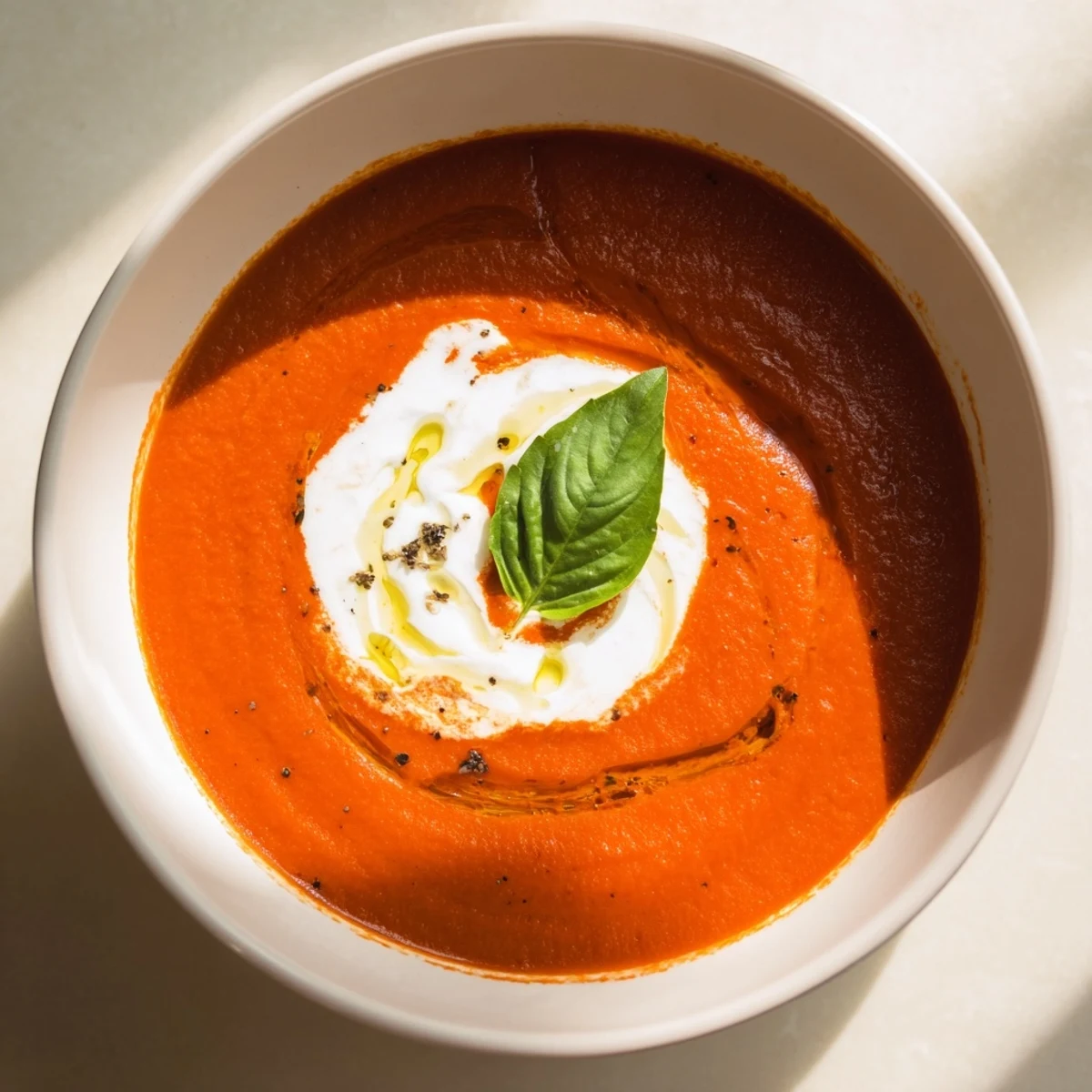
 This dish offers a smooth, comforting bisque crafted from slow-roasted garlic and ripe tomatoes, combined with sautéed vegetables and finished with a touch of cream for richness. Roasting brings out the natural sweetness of the garlic and tomatoes, while the blend creates a luscious, velvety texture. Aromatic herbs and spices enhance the depth, making it an ideal warm starter or light meal. Garnish with fresh basil and a drizzle of olive oil to elevate the flavor.
There's something almost magical about the moment roasted garlic fills your kitchen—that deep, caramelized sweetness that makes you pause mid-conversation and just breathe it in. I stumbled onto this bisque years ago on a gray afternoon when I had a pile of tomatoes from the farmers market and absolutely no plan. What started as an experiment with my oven became a soup so silky and comforting that friends now ask for it by name, and I've made it countless times since.
I remember serving this to my neighbor during a particularly rough week—she'd just moved into the building and we'd never really talked. She came back the next day asking if I'd made it myself, and somehow that simple question felt like the beginning of a real friendship. Now she makes it for her book club, and I love knowing it's traveled beyond my kitchen.
Ingredients
- 2 lbs ripe tomatoes, halved: Use tomatoes at peak ripeness—summer tomatoes are ideal, but in winter, don't hesitate to use quality canned whole tomatoes instead. The roasting deepens their flavor in a way that makes even pale winter tomatoes taste alive.
- 1 large yellow onion, chopped: Yellow onions give a gentle sweetness that balances the tomato acidity beautifully.
- 1 carrot and 1 celery stalk, diced: These are your aromatic foundation—they build flavor in the background without announcing themselves.
- 1 head of garlic with top sliced off: Roasting transforms garlic into something almost creamy and nutty, nothing like the raw bite you might expect.
- 2 tbsp olive oil, divided: Use good olive oil here—you taste it in every spoonful, especially in that final drizzle.
- 3 cups vegetable broth: Vegetable broth lets the tomato and garlic shine without competing flavors.
- 1/2 cup heavy cream: This is the silk that turns soup into bisque; don't skip it or substitute too early in the process.
- 1 tsp salt, 1/2 tsp black pepper, 1/2 tsp dried thyme: Start conservative with seasoning—you can always add more, but you can't take it back.
- 1/4 tsp red pepper flakes (optional): A tiny pinch adds warmth and a whisper of complexity without heat.
Instructions
- Roast the tomatoes and garlic:
- Preheat your oven to 400°F and arrange tomatoes cut-side up on a baking sheet with the garlic head (top sliced off so the cloves peek out). Drizzle everything with 1 tbsp olive oil and scatter salt and pepper over it. Slide it into the oven for 30 minutes—you'll know it's ready when the tomato edges are slightly darkened and the garlic cloves are golden and fragrant enough to make you lean in close.
- Build the aromatic base:
- While the oven does its work, heat the remaining 1 tbsp olive oil in a large pot over medium heat. Add your chopped onion, carrot, and celery, stirring occasionally for 5 to 7 minutes until they're soft and the onion turns translucent—this is where the magic of slow cooking begins.
- Combine and simmer:
- Once the roasted tomatoes and garlic are cool enough to handle, squeeze the soft garlic cloves right out of their papery skins into the pot. Add the roasted tomatoes with all their collected juices, along with the thyme and red pepper flakes if you're using them. Pour in your vegetable broth and bring everything to a gentle simmer, letting it bubble quietly for 10 to 15 minutes while you taste and adjust.
- Blend until silky:
- Remove the pot from heat and let it cool just slightly if you're using a countertop blender (immersion blenders are faster and safer). Blend until the soup is completely smooth and velvety—there should be no trace of texture, just pure, glossy soup.
- Finish with cream and heat:
- Pour the blended soup back into the pot and stir in the heavy cream gently, letting it swirl through the warm soup. Heat it through over low to medium heat, stirring occasionally, but never let it boil—a boil will make the cream separate and the texture turn grainy. This is the moment you taste and adjust seasoning to your preference.
- Serve with intention:
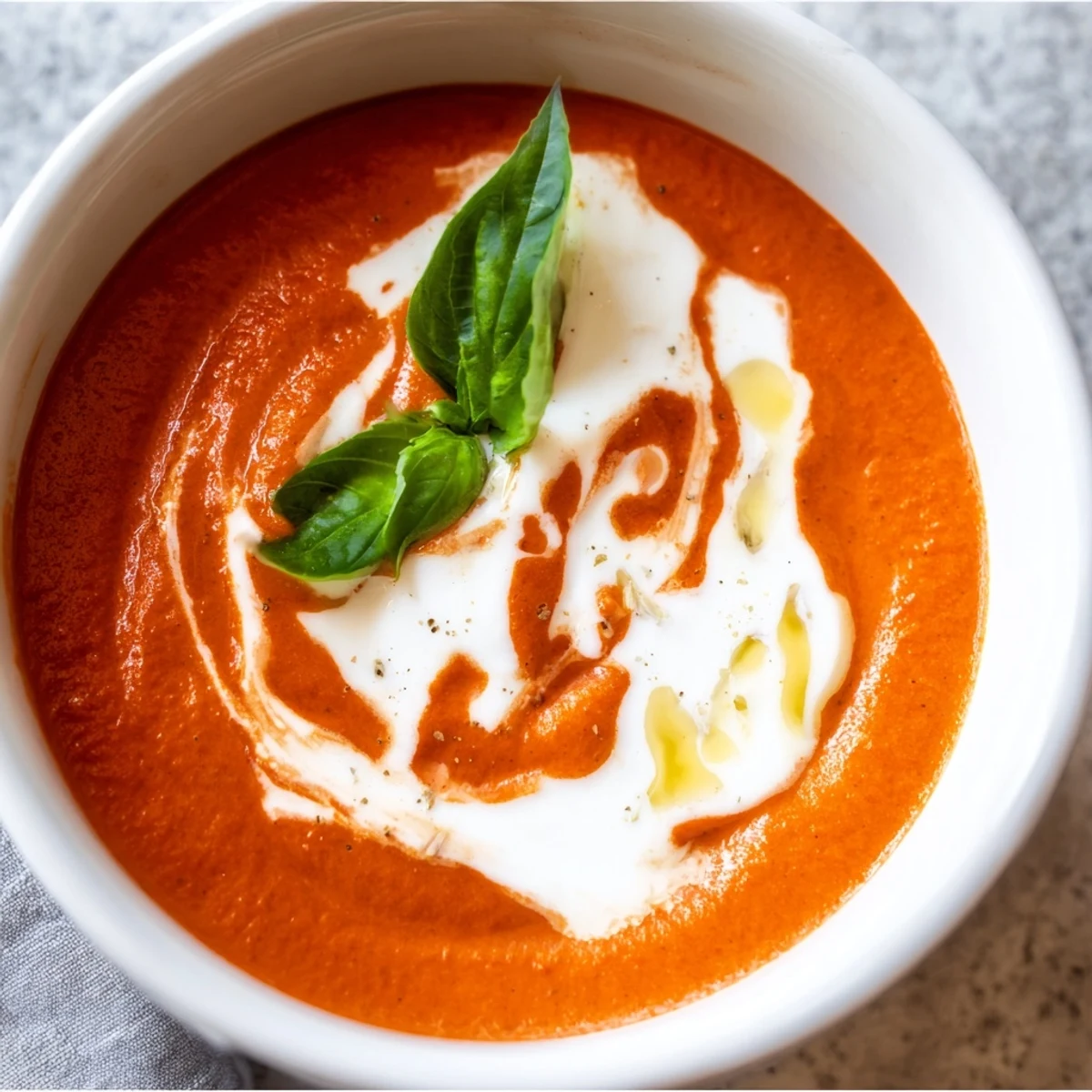
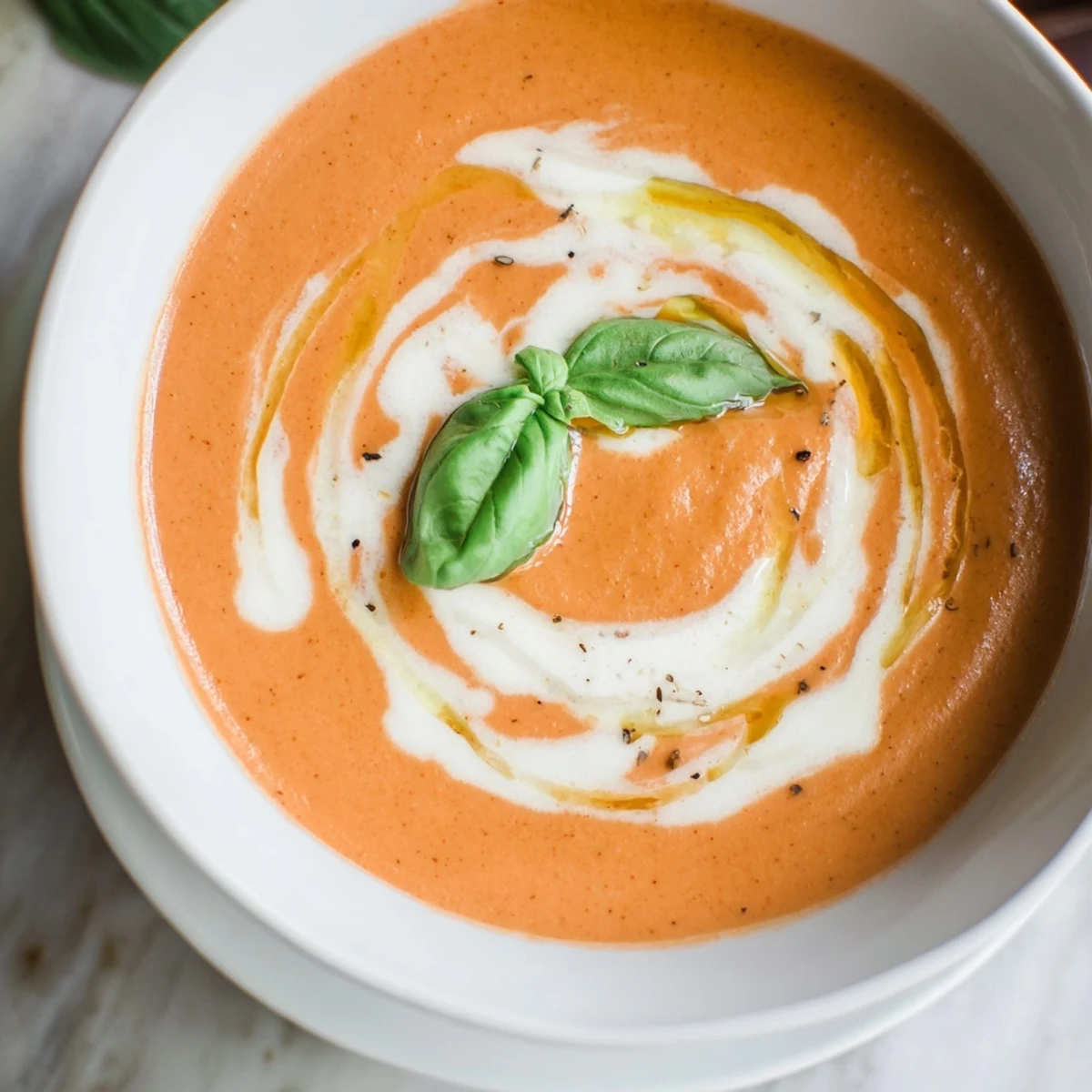
- Ladle the soup into bowls and garnish with a few fresh basil leaves and a small drizzle of olive oil or a dollop of cream. The heat from the soup will wake up the basil's aroma, and the cream will melt into pretty patterns on the surface.
 Pin it
 There's a moment near the end of cooking this soup when steam rises and the smell hits you so completely that everything else fades away. My daughter once said it smells like comfort, and I realized that's exactly what this soup is—it tastes the way safe feels.
The Roasting Difference
Roasting tomatoes instead of using them raw changes everything about this soup. The heat concentrates their sugars and deepens their flavor, turning even ordinary tomatoes into something sweet and complex. Summer tomatoes roasted this way taste like concentrated sunshine, and winter tomatoes become less sad and more purposeful. If you've ever made tomato soup with raw tomatoes and felt something was missing, roasting is the answer you've been searching for.
Pairing and Serving
This soup feels elegant enough for a dinner party but comforting enough for a solo lunch at the kitchen counter. It pairs beautifully with crusty bread for dipping, or alongside a grilled cheese sandwich if you want to make it more of a meal. Cold-weather gatherings are where this soup really shines, but I've also served it chilled on surprisingly warm spring afternoons, and it's equally lovely.
Variations and Swaps
This recipe is forgiving enough to bend a little depending on what you have on hand and what sounds good to you. A pinch of smoked paprika adds depth and a subtle smokiness, while croutons sprinkled on top give a welcome crunch against the silky soup. For a vegan version, coconut cream works beautifully and adds its own kind of richness, though it tastes noticeably different—less familiar, but still delicious.
- Try finishing with a splash of balsamic vinegar or a tiny drizzle of truffle oil for unexpected sophistication.
- Roasted red peppers blended in add sweetness and a different color without changing the fundamental character.
- Fresh thyme stirred in just before serving tastes brighter and more alive than dried, if you have it on hand.
 Pin it
 This soup has become a quiet constant in my kitchen, the kind of recipe I reach for when I want to feel like I'm taking care of myself or someone I care about. There's real comfort in knowing exactly what you're getting—silky, warm, honest, and whole.
Recipe Q&A
- → How does roasting garlic affect the flavor?
-
Roasting garlic mellows its sharpness, bringing out a sweeter, nutty depth that enhances the overall richness of the bisque.
- → Can I substitute heavy cream for a dairy-free option?
-
Yes, plant-based creams like coconut cream can replace heavy cream, maintaining creaminess with a mild variation in taste.
- → What is the best way to achieve a smooth texture?
-
Blending the bisque thoroughly after cooking and optionally straining through a fine sieve ensures a velvety, lump-free texture.
- → Which herbs complement this bisque's flavor?
-
Thyme and fresh basil are excellent choices, adding a subtle earthiness and fresh aroma that balance the rich tomatoes and garlic.
- → How can I add a bit of heat to this dish?
-
Incorporating crushed red pepper flakes during cooking introduces a gentle warmth without overpowering the delicate flavors.