
 Pin it
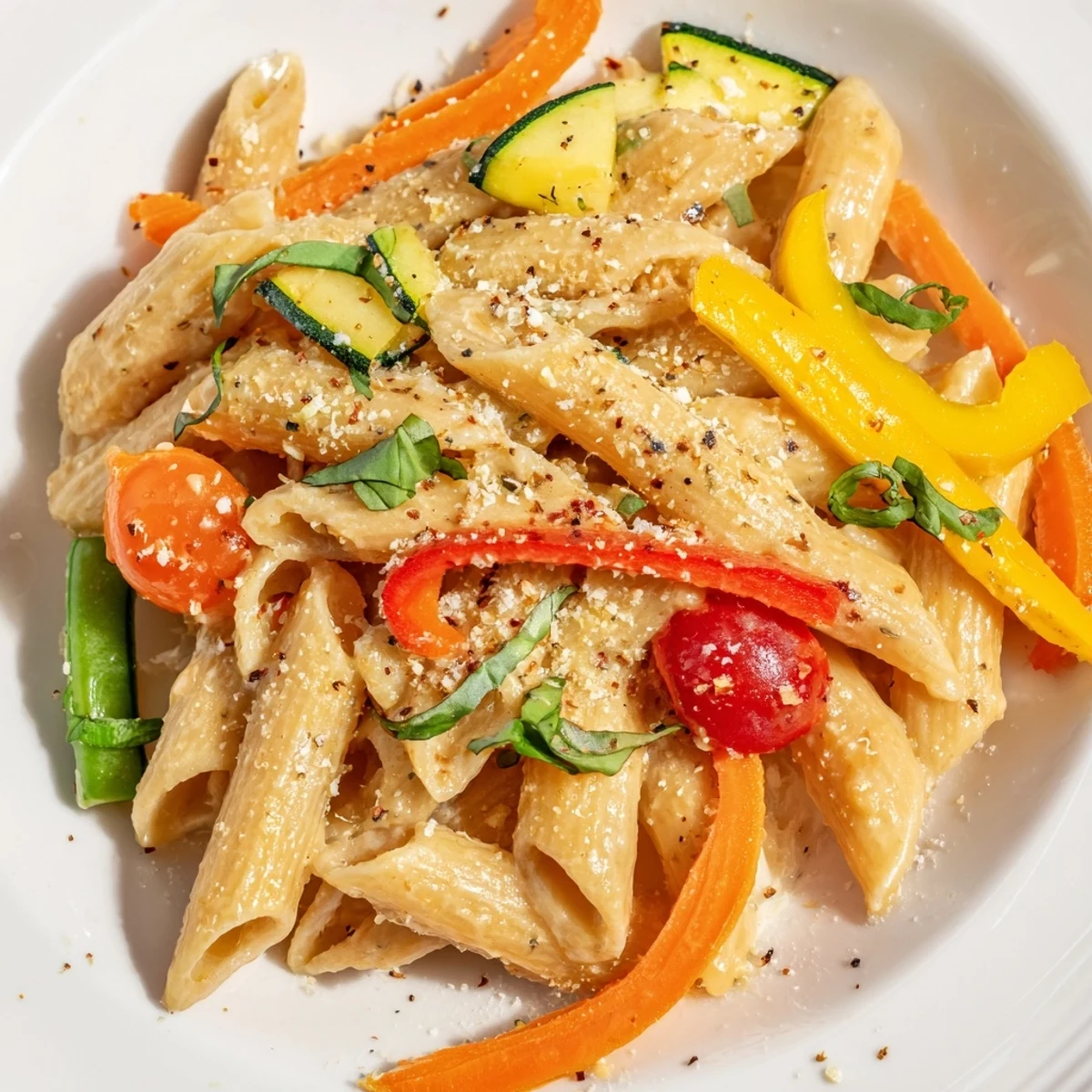
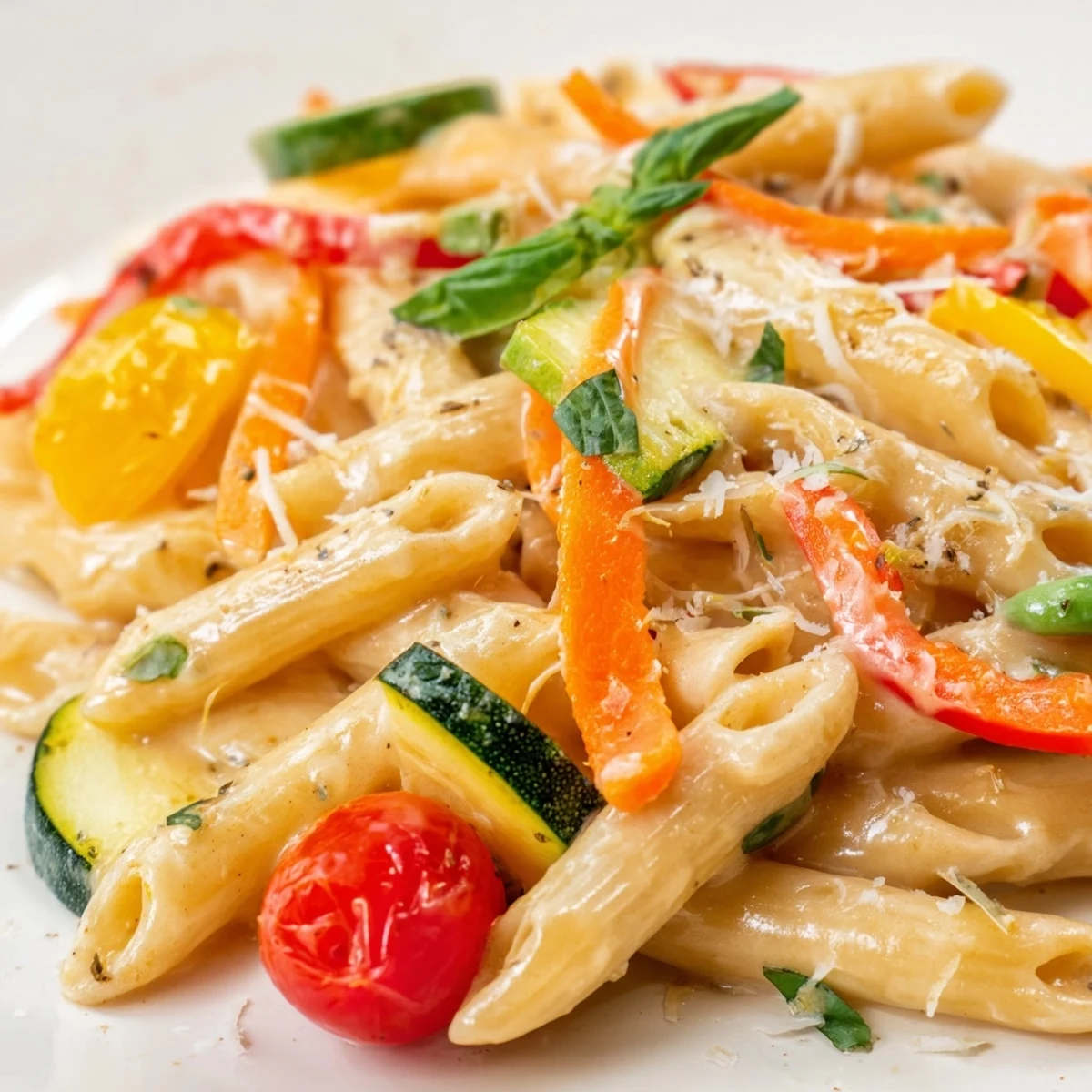
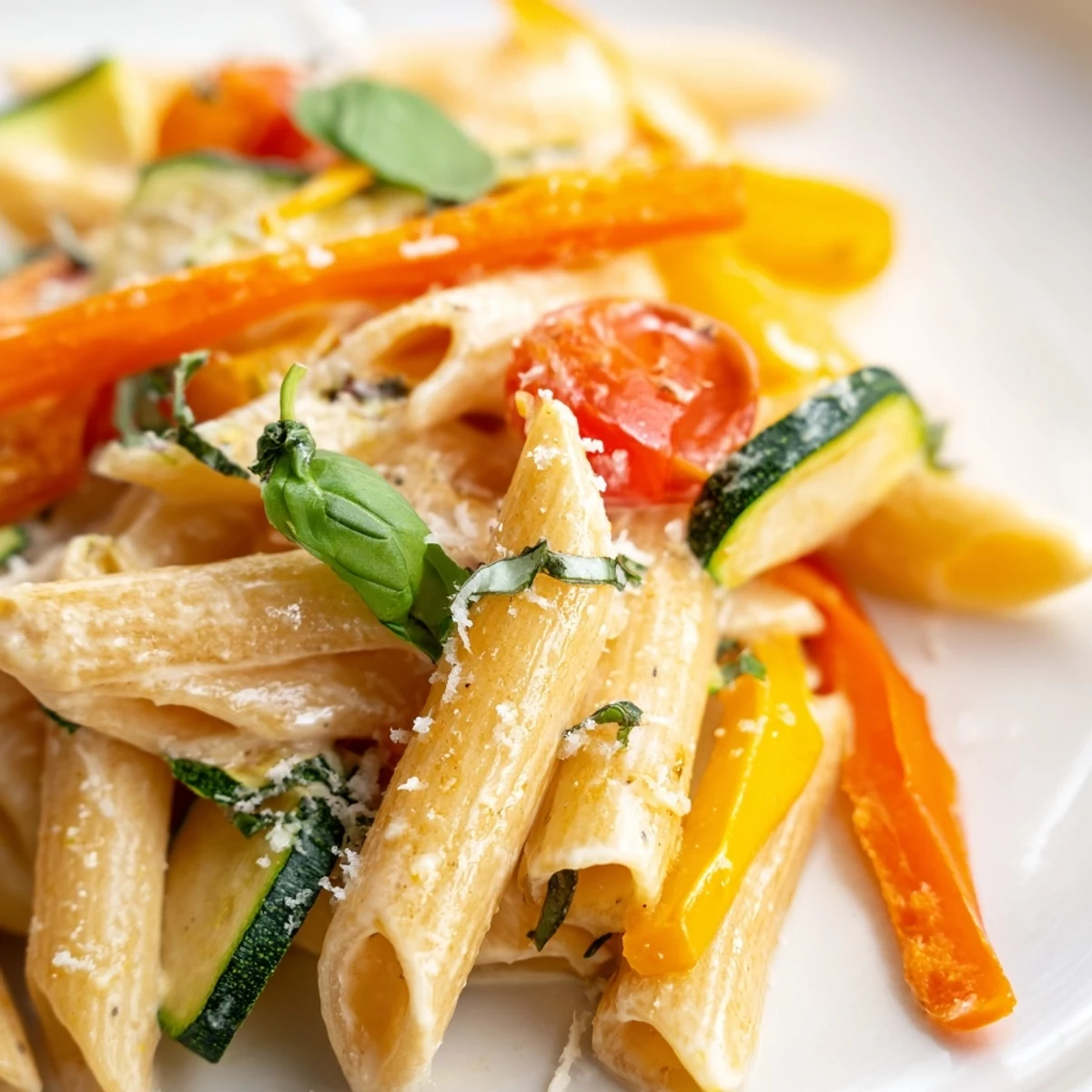
 This creamy pasta primavera combines tender penne or fettuccine with a medley of fresh spring vegetables like zucchini, bell peppers, carrots, cherry tomatoes, and sugar snap peas. Lightly sautéed garlic and butter form the base, enriched with heavy cream and a hint of lemon zest to create a silky sauce. Parmesan adds a savory touch, while fresh basil brightens each bite. Ready in 40 minutes, it offers a flavorful and colorful meal perfect for any occasion with easy preparation and vegetable-packed nutrition.
There's something magical about the moment spring vegetables hit their peak at the farmer's market, when you're suddenly inspired to make something bright and alive in the kitchen. I remember standing in front of those jewel-toned bell peppers and snap peas, thinking I had to capture that freshness somehow, and creamy pasta primavera became the obvious answer. The funny thing is, I almost overcomplicated it before my neighbor reminded me that the best dishes are often the simplest ones—let the vegetables speak, add cream, and get out of the way. This dish proved that philosophy right every single time.
I made this for my partner on a rainy April evening when we were tired of takeout menus, and watching their face light up when they tasted it was worth every vegetable I sliced. The kitchen smelled incredible—garlic and butter mixing with the brightness of lemon—and somehow that simple aroma made the whole day feel better. We ended up making it three times that month, each time with whatever vegetables looked good, and it became our default when we wanted something that felt restaurant-quality but tasted like home.
Ingredients
- Penne or fettuccine pasta, 350 g (12 oz): Penne's tube shape cradles the sauce beautifully, but fettuccine works if you prefer ribbon pasta to catch the cream.
- Zucchini, 1 medium: Slice into half-moons so they cook evenly and stay tender without getting watery.
- Red and yellow bell peppers, 1 each: The two colors aren't just pretty—they give you sweet and slightly different flavor notes.
- Carrot, 1 medium: Julienned thin so it softens in the same time as the other vegetables without becoming mushy.
- Cherry tomatoes, 1 cup (150 g): Halved, they burst slightly in the heat and release their juice into the sauce.
- Sugar snap peas, 1 cup (120 g): Add these near the end so they stay snappy and don't turn dull.
- Garlic, 2 cloves: Minced fine and bloomed in the butter first, it becomes the flavor foundation for everything else.
- Olive oil, 2 tbsp: The fat that starts the whole dish, carrying the garlic's fragrance to the pan.
- Unsalted butter, 2 tbsp: Combined with olive oil, it creates a richer, more forgiving sauce base than oil alone.
- Heavy cream, 200 ml (3/4 cup + 1 tbsp): This is what makes the dish creamy without being heavy—use the full amount unless you want something thinner.
- Parmesan cheese, 80 g (3/4 cup): Grated fresh, not pre-shredded, so it melts smoothly into the sauce without clumping.
- Lemon zest, from 1 lemon: This tiny ingredient is the secret—it cuts through the richness and wakes up every vegetable.
- Salt and freshly ground black pepper: Taste as you go because Parmesan adds saltiness, and you don't want to oversalt.
- Fresh basil, 2 tbsp chopped: Fold it in at the very end so it stays bright green and herbaceous.
- Additional Parmesan for serving: Pass it at the table and let people add as much as they want.
Instructions
- Get the pasta water ready:
- Fill a large pot with salted water—it should taste like the sea—and bring it to a rolling boil. Once you add the pasta, set a timer and taste it a minute before the package says it's done; you want it al dente, still with a tiny bit of resistance when you bite it. Reserve half a cup of that starchy water in a small bowl before you drain the pasta, because that liquid is pure gold for loosening the sauce later.
- Start the sauce base:
- While the pasta is cooking, warm the olive oil and butter together in a large skillet over medium heat, letting them mingle for about 30 seconds. Add your minced garlic and listen for it to sizzle softly—after about a minute, when the kitchen smells amazing, you know it's ready for the vegetables.
- Build the vegetable layers:
- Add the zucchini, bell peppers, and carrot to the pan, stirring them around so they all touch the hot surface. Let them sit for 3 to 4 minutes without constant stirring, so they develop a little color and begin to soften. You'll see them start to release their moisture, which is exactly what you want.
- Add the delicate vegetables:
- Toss in the snap peas and cherry tomatoes, stirring gently for 2 to 3 minutes until everything is tender but still holds its shape and color. This is the moment the pan goes from looking like a pile of raw vegetables to actually looking like dinner.
- Create the creamy finish:
- Lower the heat, pour in the heavy cream, and sprinkle the lemon zest right over the top, stirring so the cream picks up all the vegetable juices at the bottom of the pan. Let it simmer gently for 2 to 3 minutes—you're not looking for a boil, just a gentle bubble now and then. The sauce will look silky and smell incredible.
- Combine everything:
- Add your drained pasta to the skillet, sprinkle the grated Parmesan over it, and toss everything together using two forks or spoons in a gentle folding motion, not a aggressive scramble. If the sauce seems too thick, add a splash of that reserved pasta water at a time until it coats the pasta without pooling on the plate.
- Season and finish:
- Taste it, add salt and pepper to your preference, remembering that Parmesan is already salty, then fold in the fresh basil so it stays vibrant and doesn't bruise. Serve it immediately in warm bowls, with extra Parmesan and maybe a small basil leaf on top.
 Pin it
 I learned the real value of this dish one weeknight when a friend stopped by unexpectedly with disappointing news, and making pasta primavera together felt like the only thing that made sense. Chopping vegetables became meditative, the cream took on an almost comforting quality, and by the time we sat down to eat, the mood had shifted entirely. It's one of those recipes where the act of cooking it together mattered as much as the food itself.
Why Fresh Vegetables Matter Most
This dish lives or dies by the quality of its vegetables, since there's nowhere to hide when the ingredient list is this simple and straightforward. Seek out vegetables that feel firm to the touch and have actual color—avoid anything that looks tired or waxy. If something doesn't look beautiful raw, it won't magically become beautiful cooked, so trust your eye at the market.
The Magic of Lemon Zest
Lemon zest is a small ingredient with an enormous job—it's the brightness that makes people taste this dish and think it's fancy restaurant food, even though you made it on a Tuesday night. Use a microplane grater so you get the delicate zest without the bitter white pith underneath, and add it directly to the cream so it releases its oils right into the sauce. The lemon doesn't make the dish taste like lemon; it just makes everything taste more like itself.
Building Flavor Layer by Layer
The order of operations in this recipe is deliberate—each step builds on the previous one to create layers of flavor rather than just mixing ingredients together. Starting with garlic blooming in butter sets the whole tone, then vegetables cooked just long enough to soften create a flavorful base, and finally the cream ties everything together without overwhelming the delicate flavors. It's like composing a song where every instrument knows exactly when to come in.
- Never rush the garlic blooming—that minute of sizzling is where so much flavor comes from.
- If you notice vegetables releasing a lot of moisture, let some of it cook off before adding the cream, so the sauce doesn't get watery.
- Taste the finished dish before serving and adjust the seasoning, because cream can sometimes mask flavors you thought were already there.
 Pin it
 This recipe has become one of those dishes I make without thinking much about it anymore, which somehow makes it better every time. It reminds me that the most satisfying meals are often the ones that let good ingredients shine without demanding any drama.
Recipe Q&A
- → What pasta types work best for this dish?
-
Penne or fettuccine are ideal as they hold the sauce well and complement the vegetables' texture.
- → Can I use other vegetables in this dish?
-
Yes, asparagus, broccoli, or green beans make great seasonal substitutions to keep the dish vibrant.
- → How do I prevent the sauce from becoming too thick?
-
Reserve some pasta water when draining and add it gradually to loosen the creamy sauce to your desired consistency.
- → Is it necessary to add lemon zest?
-
Lemon zest adds a fresh brightness that balances the creaminess, but it can be omitted if preferred.
- → Can this dish accommodate protein additions?
-
Yes, sautéed shrimp or grilled chicken can be added for extra protein and heartiness.