
 Pin it
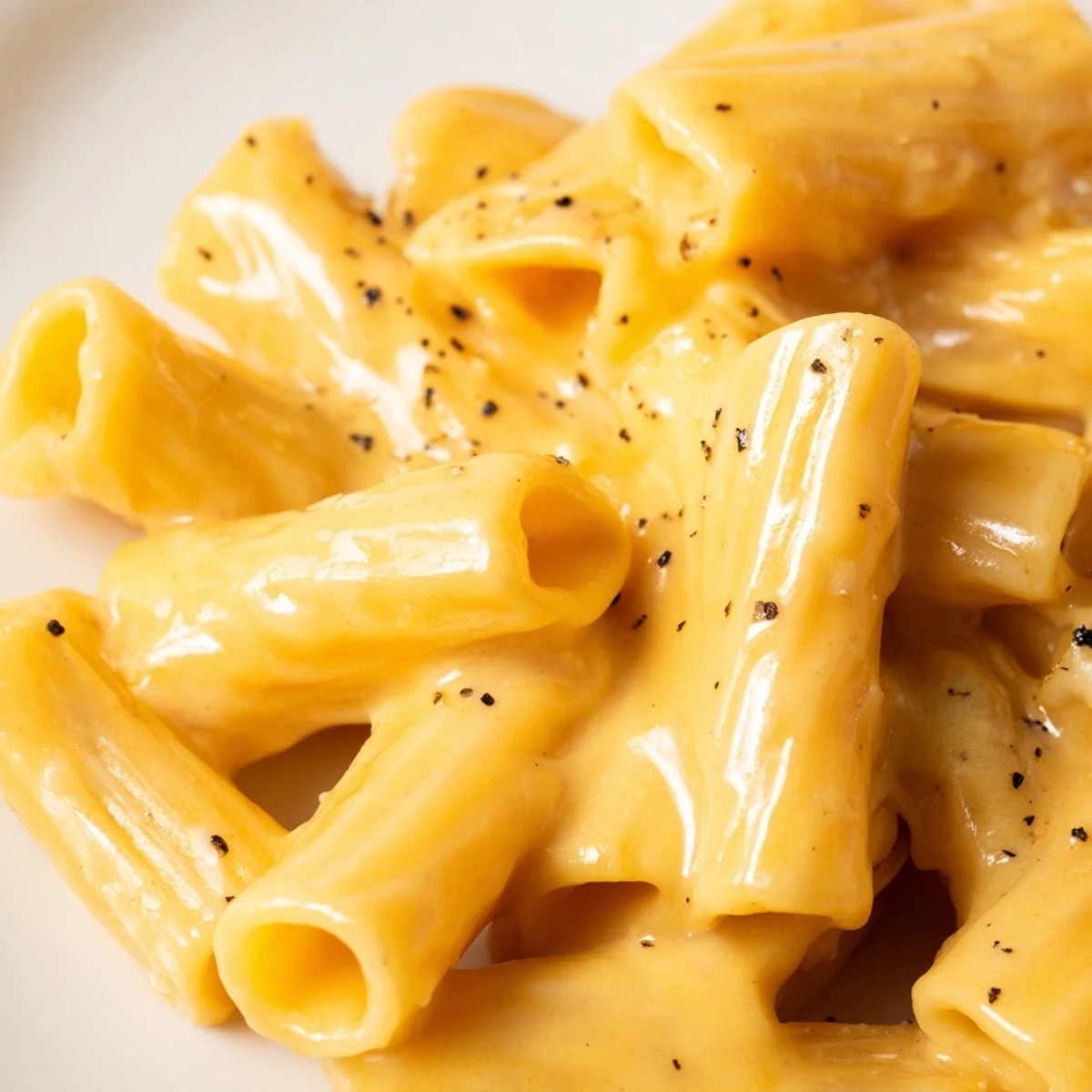
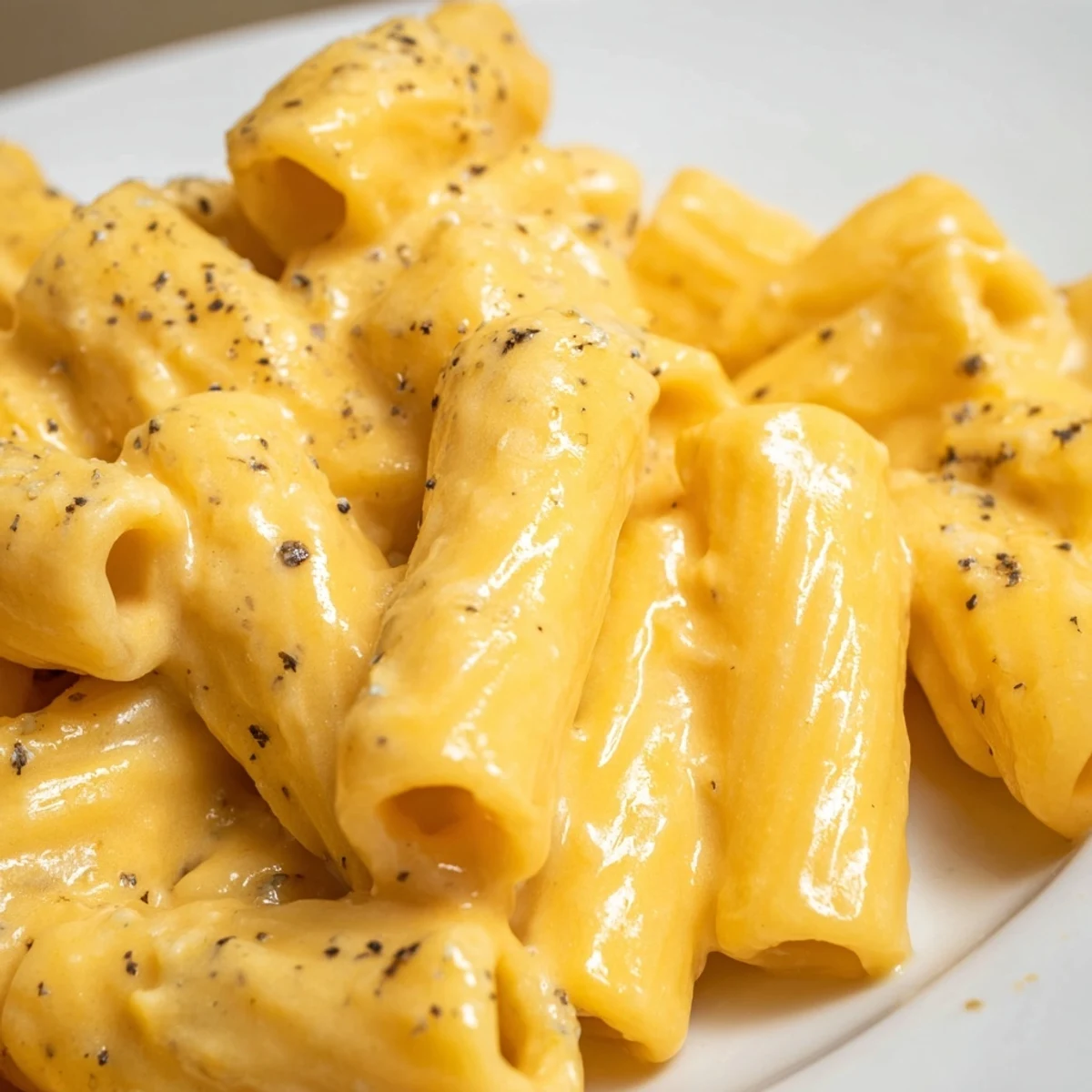
 This creamy cheese sauce combines sharp cheddar, Parmesan, and cream cheese to create a rich and smooth texture perfect for coating pasta. Made by melting butter and whisking in flour, then slowly adding warm milk to form a thick base, it is finished by stirring in the cheeses until silky. Seasoned with salt, pepper, and a hint of nutmeg for balance, it's quick to prepare and ideal for elevating simple pasta meals or other dishes.
There's a quiet moment in every kitchen when you realize that a creamy cheese sauce is actually just butter, flour, milk, and cheese having a conversation. I stumbled onto this one a Tuesday night when my daughter asked for mac and cheese but I'd somehow forgotten to buy the boxed version. What started as a panic became twenty minutes of pure comfort, and now I make it without thinking because nothing—nothing—beats the smell of cheddar melting into warm milk.
I made this sauce for my neighbor's dinner party once, spooned it over pasta while everyone was still talking in the living room, and watched a room full of hungry people go quiet. That kind of quiet means you got it right. Now it's the sauce I reach for when I want to feel confident without fussing.
Ingredients
- Unsalted butter: Two tablespoons is your starting point because salted butter can sneak up on you with its salt, and you want control.
- All-purpose flour: This is your thickener, and two tablespoons makes the roux that keeps everything smooth and prevents lumps from forming.
- Whole milk, warmed: Two cups, and warming it first is the secret that keeps the sauce from seizing up when you whisk it in.
- Sharp cheddar cheese, grated: One cup of the good stuff with actual color and personality, because mild cheddar is like eating yellow air.
- Parmesan cheese, grated: Half a cup adds that salty, nutty edge that makes people ask what you did differently.
- Cream cheese, softened: A quarter cup is your insurance policy against graininess and the reason the sauce stays silky.
- Salt: Start with half a teaspoon and taste as you go because cheese is already salty.
- Freshly ground black pepper: A quarter teaspoon, and please use the grinder because pre-ground tastes like dust by comparison.
- Nutmeg: A pinch if you want it, though I didn't know about this until a friend mentioned it casually, and now I can't unhear it.
Instructions
- Melt the butter slowly:
- Put your saucepan over medium heat and let two tablespoons of butter melt completely. This shouldn't sizzle frantically; you want it calm and golden.
- Make the roux without browning:
- Whisk in the flour and stir constantly for one to two minutes until it smells toasty but still looks pale. You're looking for bubbles, not color.
- Whisk in the warm milk steadily:
- Pour the milk in slowly while whisking continuously, as if you're coaxing it into friendship with the roux. This is where lumps hide, so don't rush it.
- Let it thicken and trust the heat:
- Keep stirring and let it cook for three to four minutes until the sauce coats the back of a spoon. You'll feel it thicken under your whisk.
- Add the cheese on low heat:
- Turn the heat down, then add the cheddar, Parmesan, and cream cheese all at once. Stir gently until everything melts into one smooth, creamy whole.
- Season and taste:
- Add salt, pepper, and nutmeg if you're using it. Taste a spoonful, and if it needs more salt, add it slowly because you can always add more.
- Coat your pasta immediately:
- Pour the sauce over hot cooked pasta right away and toss so every strand gets covered. The warmth keeps everything flowing.
 Pin it
 This sauce became my answer to the question of how to make weeknight dinners feel less like an obligation and more like something worth sitting down for. It's the kind of thing that turns plain pasta into comfort without requiring you to be a cook.
Cheese Combinations That Work
Sharp cheddar is the backbone here, but your kitchen is your laboratory. Gruyère adds nuttiness, Fontina brings earthiness, and Gouda whispers something smoky. Try mixing half cheddar and half Gruyère if you want something that tastes like you know what you're doing. The cream cheese stays the same because it's the stabilizer that keeps everything silky, no matter what else you do.
When You Want Something Different
A splash of white wine stirred in after the cheese melts adds a brightness that people notice even if they can't name it. If you want the sauce lighter, switch to low-fat milk and use less cheese, though I'll be honest: you lose some of that velvety feeling. The sauce also works as a base for baked mac and cheese, over steamed broccoli, or pooled under roasted vegetables like you're doing something fancy.
Small Things That Matter
Use a whisk, not a spoon, because it moves the flour and milk together instead of pushing them apart. Keep your saucepan medium-sized so the sauce has enough surface area to thicken without drying out. And if you're making this for people you want to impress, have everything ready before you start because the whole thing moves quickly once the milk goes in.
- Grate your cheese fresh from a block if you can, because pre-shredded cheese has anti-caking agents that make it grainier.
- Taste as you season because everyone's salt tolerance is different, and you're the only one who knows what right tastes like in your kitchen.
- Make this sauce just before you eat it because it's best when it's still warm and hasn't started to thicken as it cools.
 Pin it
 This sauce is your shortcut to feeling like you're cooking instead of just feeding people. Make it once and you'll understand why it's been made a thousand ways in a thousand kitchens, and why you'll keep coming back to this simple version.
Recipe Q&A
- → What types of cheese work best in this sauce?
-
Sharp cheddar and Parmesan create a rich, balanced flavor, but Gruyère, Fontina, or Gouda can be used for varied tastes.
- → How can I prevent lumps when making the sauce?
-
Whisk the flour and butter well before gradually adding warm milk, stirring constantly to ensure a smooth texture.
- → Is it possible to make this sauce lighter?
-
Yes, using low-fat milk and reducing the cheese quantity helps create a lighter version without losing creaminess.
- → Can I add extra flavors to this sauce?
-
A splash of white wine or a pinch of nutmeg adds depth and subtle complexity to the sauce’s flavor profile.
- → What dishes other than pasta can benefit from this sauce?
-
This sauce works well as a base for vegetable bakes, mac and cheese variations, or drizzled over steamed broccoli.