
 Pin it
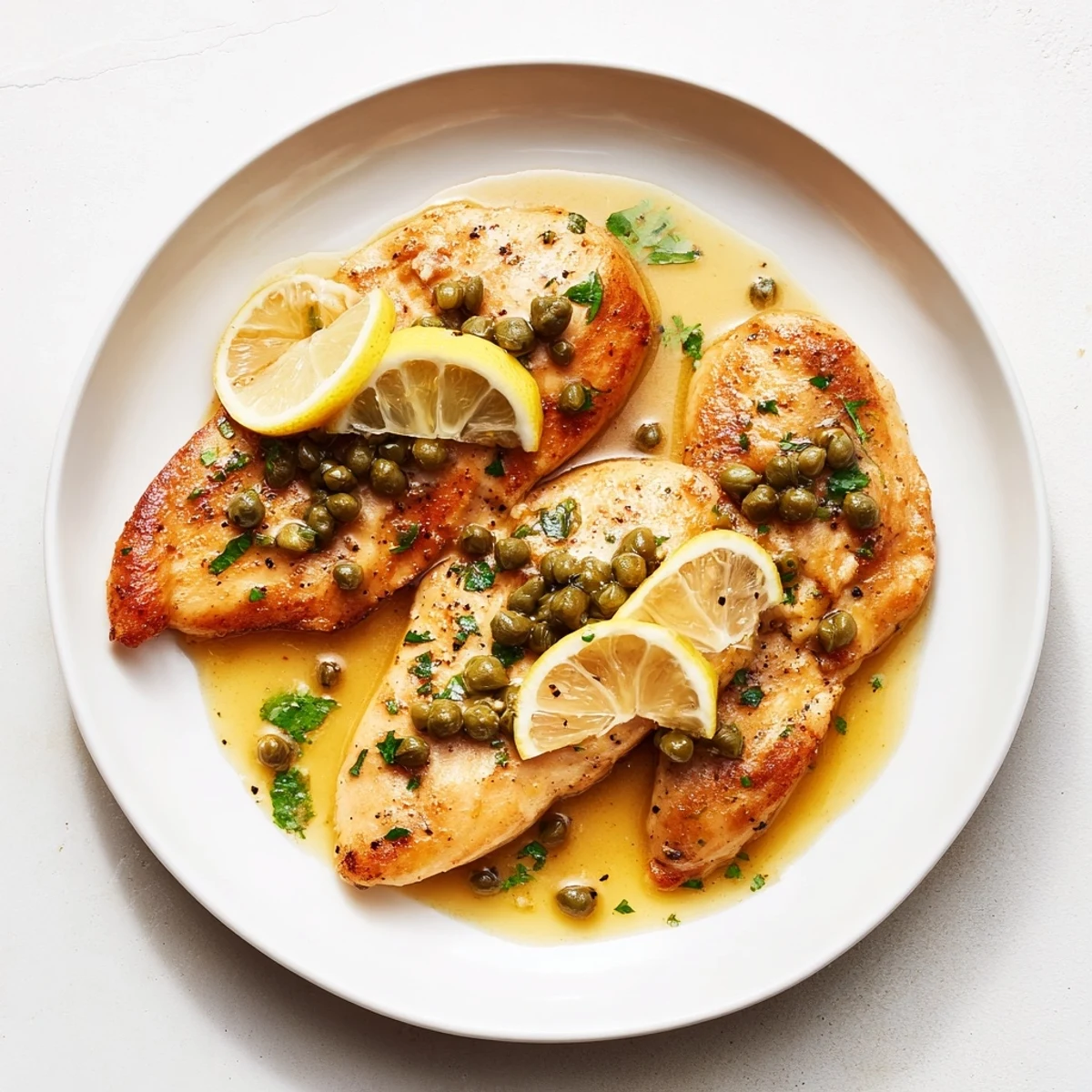
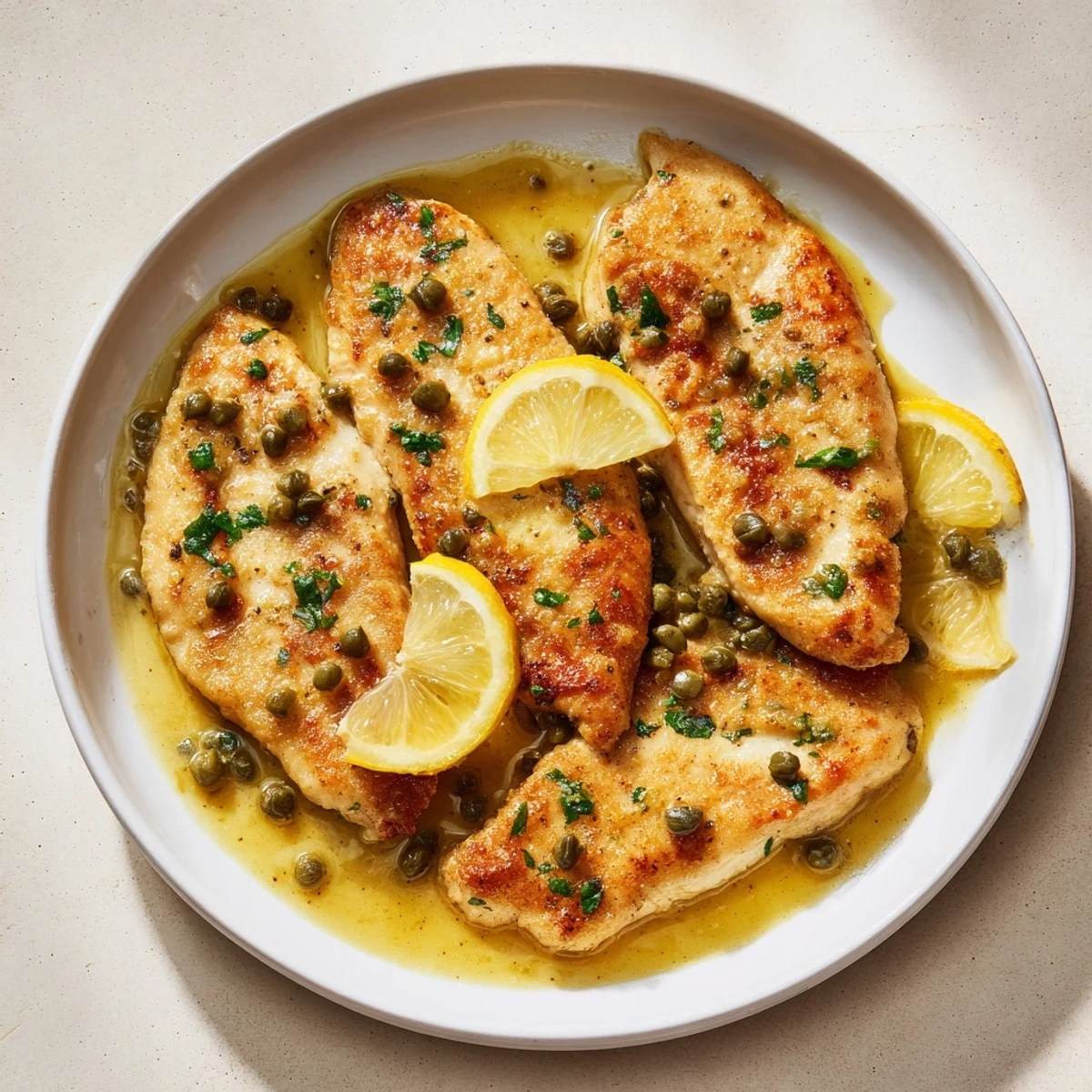
 This dish features tender chicken cutlets quickly pan-seared and finished in a tangy lemon and caper sauce. The bright citrus and salty capers complement the juicy chicken, while a touch of butter and fresh parsley adds richness and freshness. Ideal for a simple yet impressive dinner, it pairs well with pasta, rice, or roasted potatoes. Preparing it requires minimal time and basic kitchen tools.
The sauce melds white wine or broth with lemon juice and capers to create a savory glaze that enhances the chicken's flavor. Adjustments like using olive oil instead of butter can accommodate dietary needs. Garnished with lemon slices and parsley, this dish balances fresh, vibrant flavors with comforting textures.
I was halfway through a rough Tuesday when I realized I had chicken breasts thawing and no plan. My neighbor had just dropped off lemons from her tree, and I spotted a jar of capers shoved behind the mustard. Twenty minutes later, I had something that tasted like I'd been planning it all week. That's how chicken piccata snuck into my regular rotation.
The first time I made this for friends, I panicked because the sauce looked thin. But as it simmered, it thickened just enough to cling to the chicken, glossy and golden. One friend scraped her plate with bread and asked if I'd trained in Italy. I laughed and told her I learned it on a random Tuesday with leftover lemons.
Ingredients
- Boneless, skinless chicken breasts: Slicing them horizontally gives you thinner cutlets that cook fast and stay tender, no guesswork involved.
- All-purpose flour: A light dusting creates a golden crust and helps the sauce cling without feeling heavy.
- Olive oil and unsalted butter: The oil prevents burning while the butter adds richness, though you can skip the butter entirely for dairy-free.
- Dry white wine: It deglazes the pan and adds depth, but chicken broth works perfectly if you'd rather skip the wine.
- Low-sodium chicken broth: Controls the saltiness and gives the sauce body without overpowering the lemon.
- Fresh lemon juice: Bottled juice won't give you the same bright, clean acidity, trust me on this one.
- Capers: Rinse them well or the sauce gets too salty, these little bursts of brine are what make piccata unforgettable.
- Fresh parsley: Stirred in at the end, it adds color and a hint of freshness that balances the richness.
Instructions
- Prep the chicken:
- Slice each breast in half horizontally so you have four thinner pieces. Pound them gently between plastic wrap until they're about half an inch thick, this helps them cook evenly and stay juicy.
- Season and dredge:
- Sprinkle both sides with salt and pepper, then dredge lightly in flour and shake off the excess. Too much flour makes the sauce gummy.
- Sear the chicken:
- Heat the oil and one tablespoon of butter in a large skillet over medium-high heat. Cook the chicken three to four minutes per side until golden and just cooked through, then set aside on a plate tented with foil.
- Build the sauce:
- Pour the wine into the hot pan and scrape up all those browned bits with a wooden spoon. Let it simmer for a minute or two, then add the broth, lemon juice, and capers.
- Reduce and finish:
- Simmer the sauce for three to four minutes until it thickens slightly. Return the chicken to the pan, turn it once to coat, and let it simmer for another two to three minutes.
- Serve:
- Remove from heat, stir in the remaining butter and parsley, then plate the chicken and spoon the sauce over the top. Garnish with lemon slices if you want it to look as good as it tastes.
 Pin it
 One evening I made this after a long day and ate it standing at the stove, fork in hand, straight from the pan. The lemon was sharp, the capers salty, and the chicken so tender it didn't need a knife. It wasn't fancy, but it felt like exactly what I needed, which is maybe the best thing a recipe can be.
What to Serve With It
I usually make pasta and toss it with a little of the pan sauce, or I'll roast some potatoes while the chicken cooks. Sometimes I just serve it with crusty bread and a simple salad, because that sauce is too good to waste on a plate.
Storing and Reheating
Leftovers keep in the fridge for up to three days in an airtight container. Reheat gently in a skillet over low heat with a splash of broth to loosen the sauce, microwaving tends to make the chicken rubbery.
Quick Swaps and Tweaks
If you need this gluten-free, swap in gluten-free flour for dredging and you're set. For a lighter version, use all olive oil instead of butter. You can also use chicken thighs if you prefer dark meat, just adjust the cooking time slightly.
- Try adding a handful of spinach to the sauce at the end for extra greens.
- A pinch of red pepper flakes gives it a subtle kick without changing the flavor too much.
- If you love garlic, toss in a minced clove when you add the wine.
 Pin it
 This dish has pulled me out of more dinner ruts than I can count. I hope it does the same for you.
Recipe Q&A
- → What is the best way to tenderize the chicken?
-
Slice chicken breasts horizontally and gently pound them to about ½-inch thickness to ensure even cooking and tenderness.
- → Can I substitute the white wine used in the sauce?
-
Yes, low-sodium chicken broth works well as a non-alcoholic substitute without compromising taste.
- → How should I cook the chicken to achieve a golden crust?
-
Heat olive oil and butter in a skillet over medium-high heat, then cook the floured chicken cutlets 3–4 minutes per side until golden and cooked through.
- → What sides complement this chicken preparation?
-
Pasta, rice, or roasted potatoes pair beautifully by soaking up the flavorful lemon-caper sauce.
- → Is there a dairy-free version of this dish?
-
Yes, use olive oil in place of butter to keep the dish dairy-free without losing richness.
- → How do capers influence the flavor profile?
-
Capers add a salty, tangy depth that balances the bright acidity of the lemon juice for a vibrant sauce.