
 Pin it
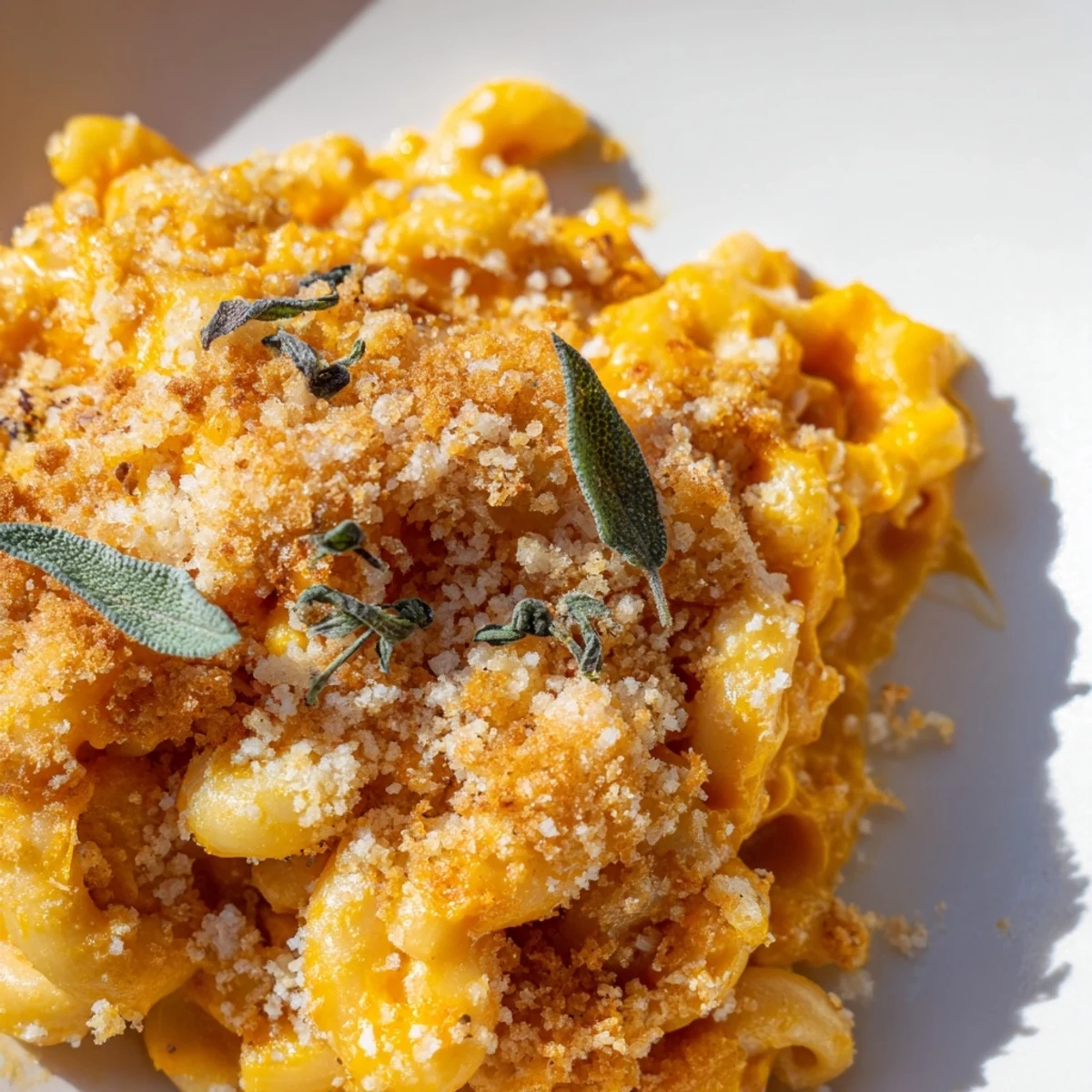
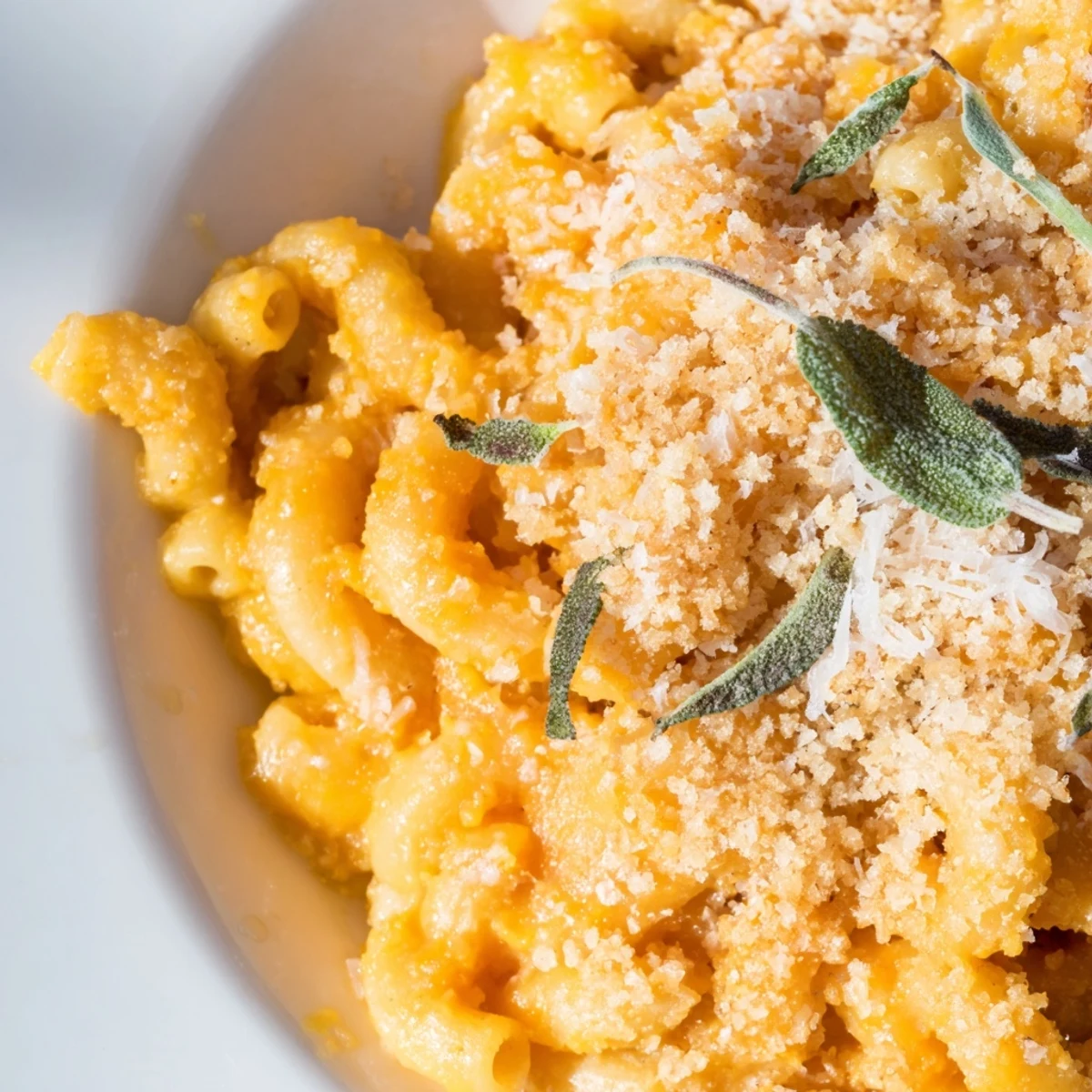
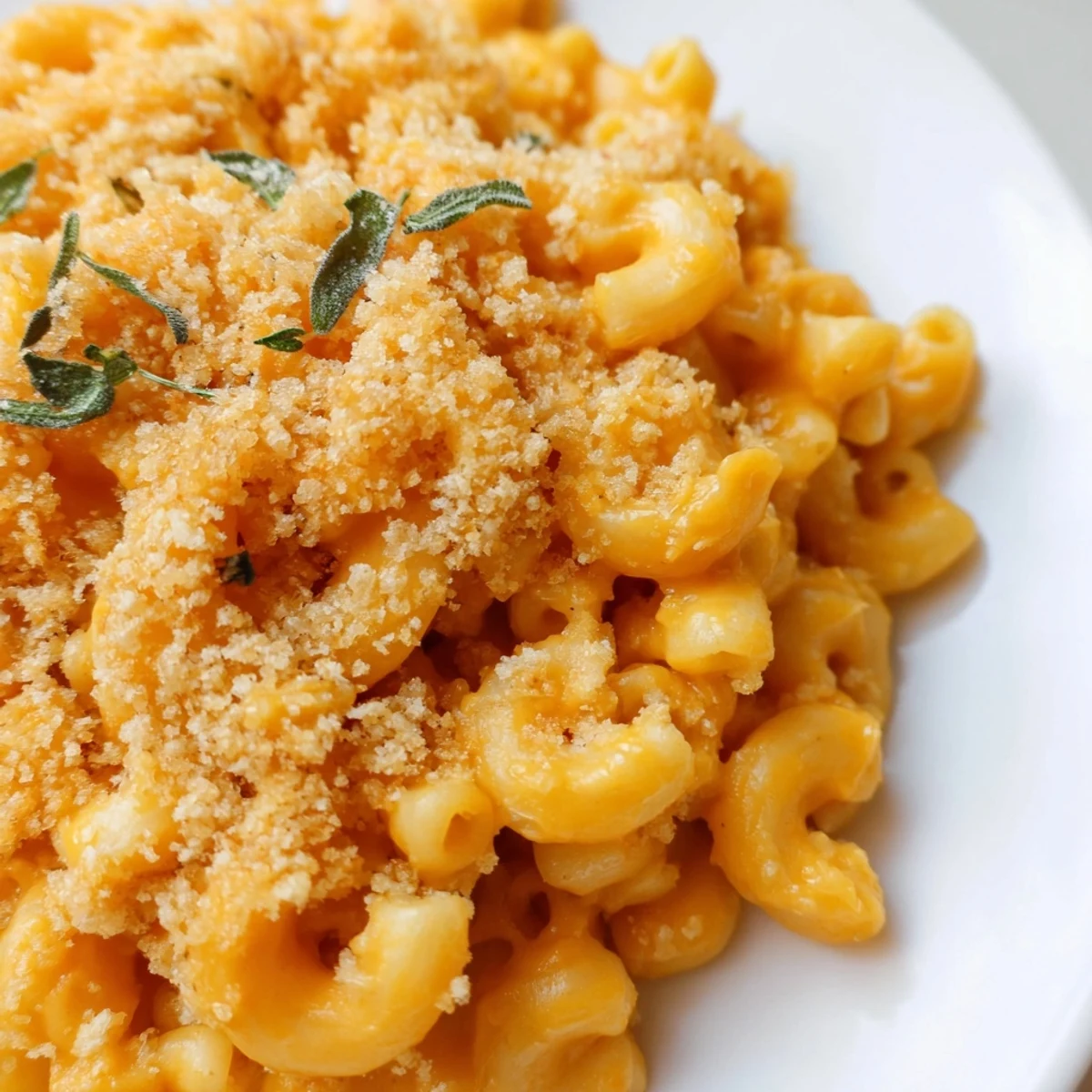
 This dish blends tender roasted butternut squash with sharp cheddar and Gruyère, accented by fresh sage for a warm, autumnal taste. Cook elbow macaroni until al dente, then prepare a smooth, creamy cheese sauce infused with garlic, onion, and nutmeg. The roasted squash is pureed into the sauce, creating a velvety texture that coats the pasta perfectly. An optional crunchy topping of panko and Parmesan adds a golden finish when broiled. Ideal for an easy, comforting main course rich in seasonal flavors.
There's something about autumn that makes you crave comfort on a plate, and the first time I made this butternut squash mac and cheese, I was standing in my kitchen surrounded by the warm smell of roasting squash and fresh sage. I'd been thinking about elevating the classic dish I grew up with, something that felt both familiar and unexpectedly luxurious. The moment I blended that silky roasted squash into the cheese sauce and watched it transform into this gorgeous golden cream, I knew I'd found something special. My whole house smelled like fall in the best possible way.
I made this for friends on a chilly October evening, and watching them dig in without hesitation—forks moving quickly, contentment on their faces—I realized this dish had become my go-to for when I want to feed people something that makes them feel cared for. One friend asked if it was restaurant food, and I loved telling her it wasn't, that it was just good butter, good cheese, and paying attention to what you're doing.
Ingredients
- 340g elbow macaroni: Use a sturdy short pasta that catches the creamy sauce in every bite—avoid thin pasta that turns mushy.
- 450g butternut squash, peeled and diced: Don't buy pre-cut if you can help it; a fresh squash roasts more evenly and tastes sweeter.
- Olive oil, salt, and pepper for the squash: These simple seasonings let the natural sweetness of the roasted squash shine through.
- 2 tbsp unsalted butter: The foundation of your sauce, so use good butter—it makes a real difference in flavor.
- 1 small onion and 2 cloves garlic: Sauté these slowly and gently until they're soft and fragrant, never rushed.
- 1 tbsp fresh sage, finely chopped: Fresh sage is non-negotiable here; dried sage turns bitter when cooked this way, and you lose that bright herbaceous note.
- 2 tbsp all-purpose flour: This creates a roux to thicken your sauce—stir it constantly so it doesn't clump or brown.
- 500ml milk and 120ml vegetable broth: The combination of both gives you a sauce that's creamy but not heavy, with subtle savory depth.
- 150g sharp cheddar and 75g Gruyère: The mix of sharp cheddar's tang and Gruyère's nuttiness is what makes this taste restaurant-quality.
- 1/2 tsp ground nutmeg: A small amount seems insignificant, but it's the secret that ties everything together.
- 30g panko breadcrumbs, melted butter, and Parmesan for topping: Toast these quickly under the broiler until they're golden and crispy—they add textural contrast that elevates the whole dish.
Instructions
- Get your squash into the oven:
- Preheat to 200°C and line a baking sheet with parchment paper. Toss your diced squash with olive oil, salt, and pepper, then spread it in a single layer. Roast for 20–25 minutes until the edges are lightly caramelized and the flesh is completely tender—you want it soft enough to blend easily.
- Cook your pasta while the squash roasts:
- Follow the package instructions but aim for al dente; it'll soften slightly when you mix it with the hot sauce. Drain it but don't rinse—the starch helps the sauce cling better.
- Build your sauce base:
- Melt butter in a large saucepan over medium heat, then add your finely chopped onion. Sauté for 3–4 minutes until it's soft and slightly translucent, then add minced garlic and fresh sage, cooking for just 1 minute more until the whole kitchen smells incredible.
- Make your roux:
- Stir in the flour and cook for 1–2 minutes, stirring constantly to coat everything evenly. This prevents lumps when you add the liquid and gives your sauce the right body.
- Create the creamy base:
- Gradually whisk in the milk and vegetable broth, stirring as you go to keep lumps from forming. Once it's all combined, bring it to a gentle simmer and stir for 3–4 minutes until it thickens noticeably—you'll feel the change in resistance as you stir.
- Blend in the roasted squash:
- Add the soft roasted squash to the sauce and use an immersion blender to puree everything until it's completely smooth and silky. If you don't have an immersion blender, carefully transfer the mixture to a regular blender in batches, then return it to the pan.
- Add the cheese and seasonings:
- Reduce the heat to low and stir in your grated cheddar and Gruyère along with the nutmeg. Taste as you go and season with salt and pepper—remember the cheese is salty, so go easy at first. Stir until the cheese is completely melted and you have a glossy, cohesive sauce.
- Combine pasta and sauce:
- Add your cooked pasta to the sauce and mix gently but thoroughly, making sure every piece of pasta is coated. If it seems too thick, loosen it with a splash of milk.
- Toast the topping and finish:
- Mix panko breadcrumbs with melted butter and grated Parmesan, then transfer your mac and cheese to a baking dish and scatter the mixture on top. Preheat your broiler and broil for 2–3 minutes until the topping is golden brown and crispy—watch it carefully so it doesn't burn.
- Finish with fresh sage and serve:
- Scatter some extra chopped fresh sage over the top for color and a bright flavor pop. Serve it hot while the sauce is at its creamiest and most luxurious.
 Pin it
 I'll never forget the moment my grandmother tasted this and said it reminded her of my childhood, even though I'd never made it before—it had that quality of feeling both nostalgic and new at the same time. That's when I understood that comfort food isn't about recreating the past; it's about creating moments that feel like home.
Why Butternut Squash Changes Everything
Before this dish, mac and cheese was always a little one-note to me, delicious but predictable. Roasted butternut squash brings this subtle sweetness that plays beautifully against the sharp tang of aged cheddar and the earthy nuttiness of Gruyère—it's like adding a whole new dimension to something you thought you knew completely. The squash also makes the sauce silkier and more luxurious without any cream, which feels like a small miracle every time.
The Sage Question
When I first saw sage listed in a mac and cheese recipe, I was skeptical—I associated sage with poultry and stuffing, not cheese sauce. But then I cooked it and understood immediately; sage has this peppery, almost minty brightness that cuts through the richness of the cheese and prevents the dish from feeling heavy or monotonous. It's one of those ingredients that doesn't announce itself loudly but makes you pause and think there's something special happening on your plate.
Making It Your Own
This recipe is flexible enough to bend to what you have on hand and what you're craving. I've made it with sweet potato when butternut squash wasn't available, and it was equally delicious with a slightly different flavor profile. The core technique—roasting your squash, building a proper roux, blending it into the sauce—that's what matters; everything else is negotiable.
- Add sautéed mushrooms or fresh spinach for extra vegetables without overwhelming the delicate squash flavor.
- Use half-and-half instead of milk if you want it even richer, or stick with milk if you prefer it lighter.
- Make it gluten-free by swapping the flour for cornstarch or a gluten-free blend, using the same amount.
 Pin it
 There's real joy in a dish that feels indulgent but doesn't require you to be an experienced cook, something that tastes like you spent hours on it when really you just paid attention and used good ingredients. This is that dish.
Recipe Q&A
- → Can I substitute butternut squash with other vegetables?
-
Yes, sweet potatoes work well as a substitute, offering a similar sweetness and texture when roasted and blended into the sauce.
- → What types of cheese enhance the flavor best?
-
A combination of sharp cheddar and Gruyère provides depth and creaminess, balancing the squash's sweetness and the sage's earthiness.
- → How can I make a gluten-free version?
-
Use gluten-free pasta and substitute all-purpose flour with gluten-free flour alternatives to maintain the sauce's thickness.
- → Is it necessary to roast the squash before blending?
-
Roasting caramelizes the squash, enhancing its natural sweetness and adding richness to the final sauce.
- → What is the purpose of the panko topping?
-
The panko mixed with melted butter and Parmesan forms a crisp, golden layer when broiled, adding a delightful texture contrast.
- → Can additional vegetables be included?
-
Adding sautéed mushrooms or spinach can boost nutritional value and add flavorful variety to the dish.