
 Pin it
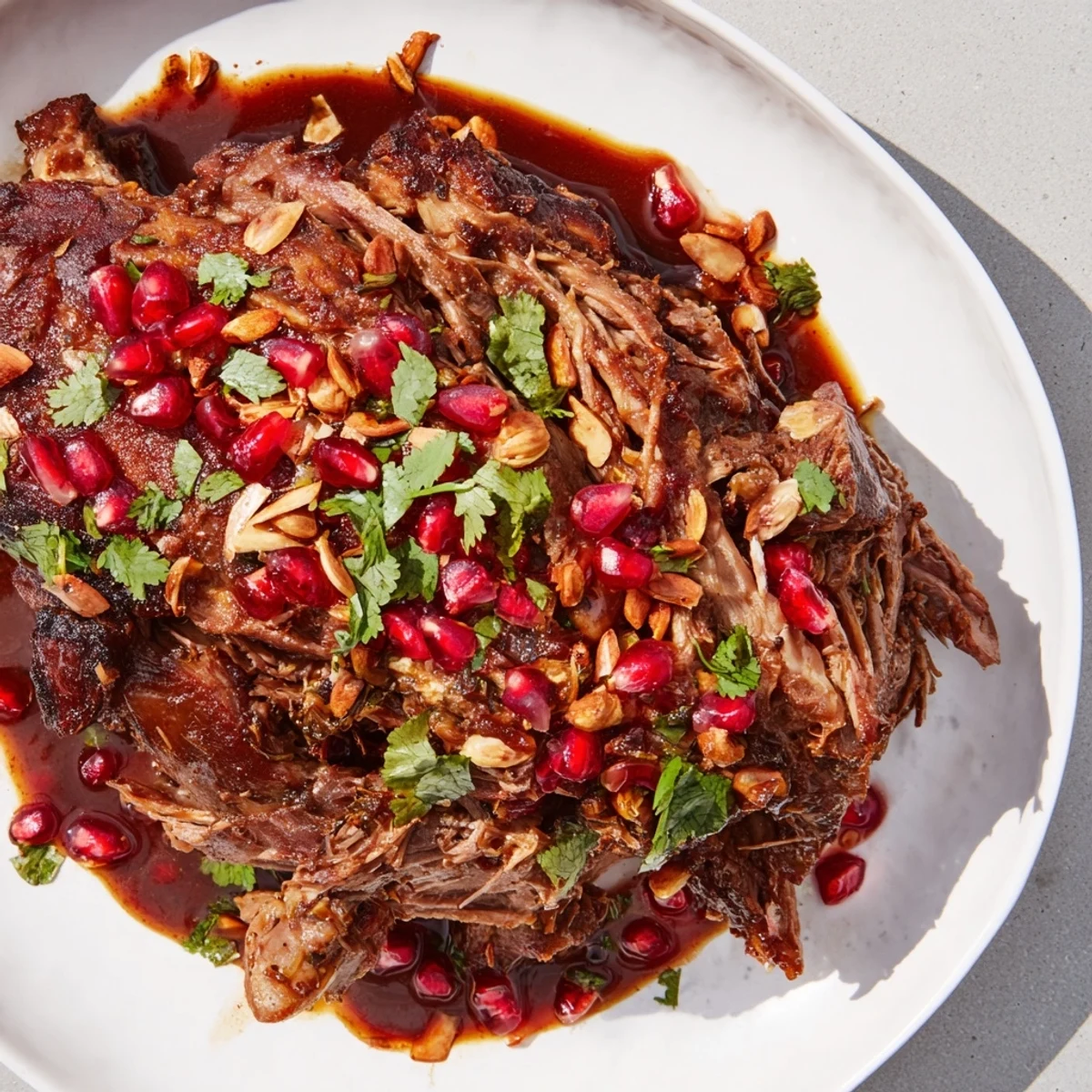
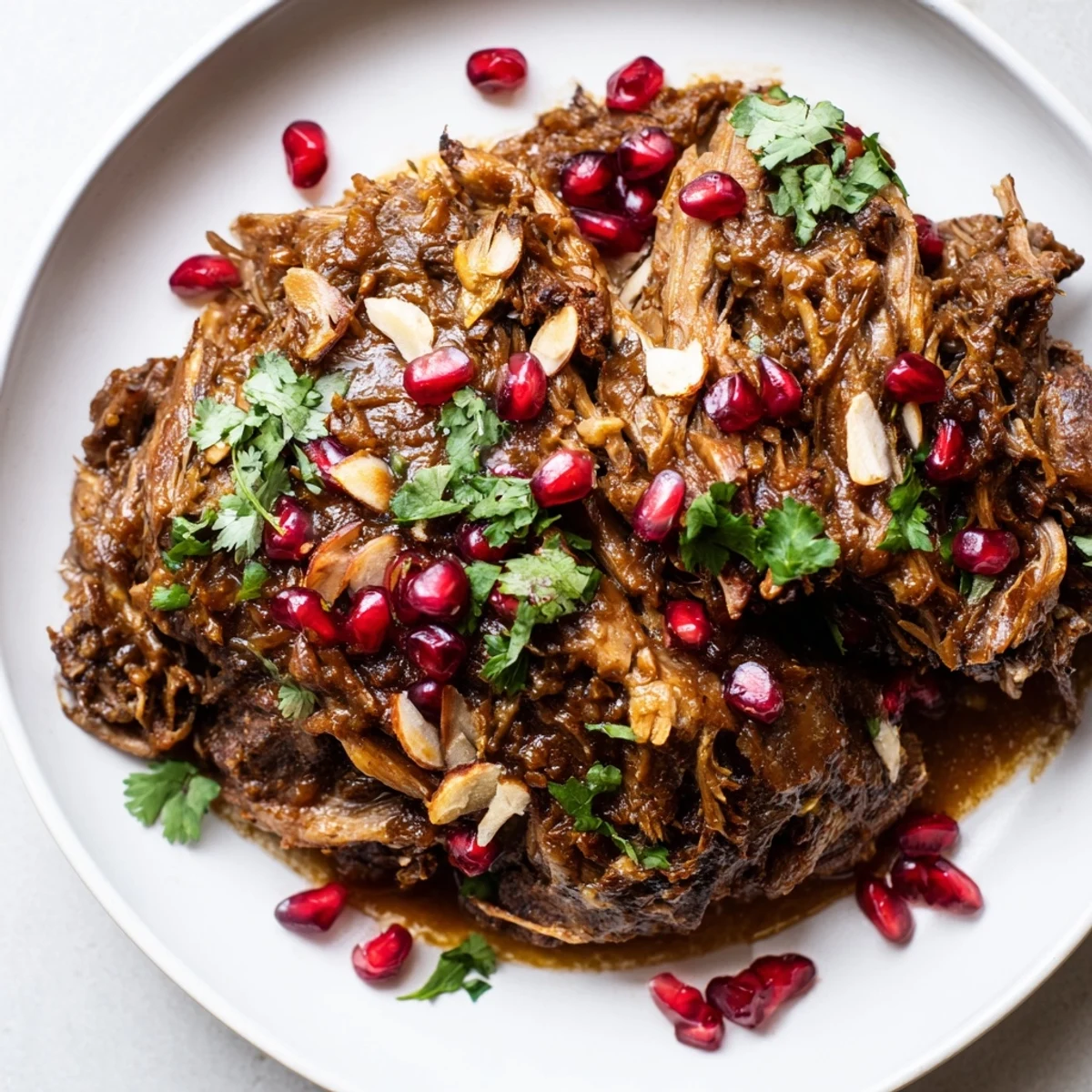
 This dish features a tender lamb shoulder, slow-braised with a blend of warm spices and pomegranate juice that imparts a sweet-tart depth. The lamb is seared to lock in juices, then cooked gently until fork-tender. Aromatics like garlic, ginger, and onions build a fragrant base, while honey and lemon brighten the sauce. Finished with pomegranate seeds, fresh herbs, and toasted almonds, it offers a harmonious mix of textures and flavors perfect for a comforting, flavorful meal. Serve alongside saffron rice or flatbread for a satisfying experience.
The first time I smelled pomegranate juice reducing on my stove, I was convinced something had gone wrong. It was years ago, a gray Tuesday when I was avoiding phone calls, and that sweet-tart steam rising from the pot made me stop mid-pace and just stand there. I had no idea lamb could carry that kind of brightness until that afternoon.
I made this for my neighbor once after her surgery, carrying it over in a pot still too hot to hold comfortably. She called me three hours later, voice thick, to say she had eaten it straight from the container standing at her counter, unable to wait for a plate. That is the only review that has ever mattered to me.
Ingredients
- Lamb shoulder bone-in: The bone is not optional here, it gifts the sauce a depth you cannot fake.
- Pomegranate juice: Buy the pure unsweetened kind, the cocktail version will betray you with sugar.
- Yellow onions: Slice them thin so they melt into the braising liquid rather than remaining distinct.
- Fresh ginger: Grate it on a microplane to avoid fibrous chunks that never soften fully.
- Ground allspice and cinnamon: These two whisper to each other in the background, do not increase them hoping for more flavor.
- Tomato paste: Let it darken in the pot for a minute before adding liquid, this unlocks its hidden sweetness.
- Honey: Acts as bridge between the meat and the sharpness of pomegranate.
- Pomegranate seeds: Save these for the very end, their pop against the tender meat is the whole point.
Instructions
- Prepare the lamb:
- Pat the shoulder completely dry with paper towels, moisture is the enemy of browning. Season aggressively, more salt than feels comfortable, remembering this seasons an entire pot of sauce.
- Sear hard:
- Get your Dutch oven ripping hot before the lamb touches metal. Wait for the oil to shimmer and barely smoke, then lay the meat down and do not touch it for four full minutes.
- Build the base:
- Drop the heat before adding onions or they will scorch in the fond left behind. Stir constantly once the garlic and ginger hit the pan, they turn bitter in seconds.
- Wake the spices:
- Toast the ground spices in the hot fat until your nose catches them, about sixty seconds. This unlocks their fat-soluble compounds.
- Deglaze with purpose:
- Scrape every brown bit from the pot bottom when you add the liquids, this is free flavor you paid for with patience.
- Braise low and slow:
- The oven should be gentle enough that you barely hear a murmur from the pot. Check after ninety minutes, but do not rush.
- Uncover to finish:
- That final twenty minutes without the lid concentrates the sauce and gives the lamb a lacquered surface.
- Rest and serve:
- Let the meat sit ten minutes before pulling it apart, this allows the juices to settle rather than running out onto the board.
 Pin it
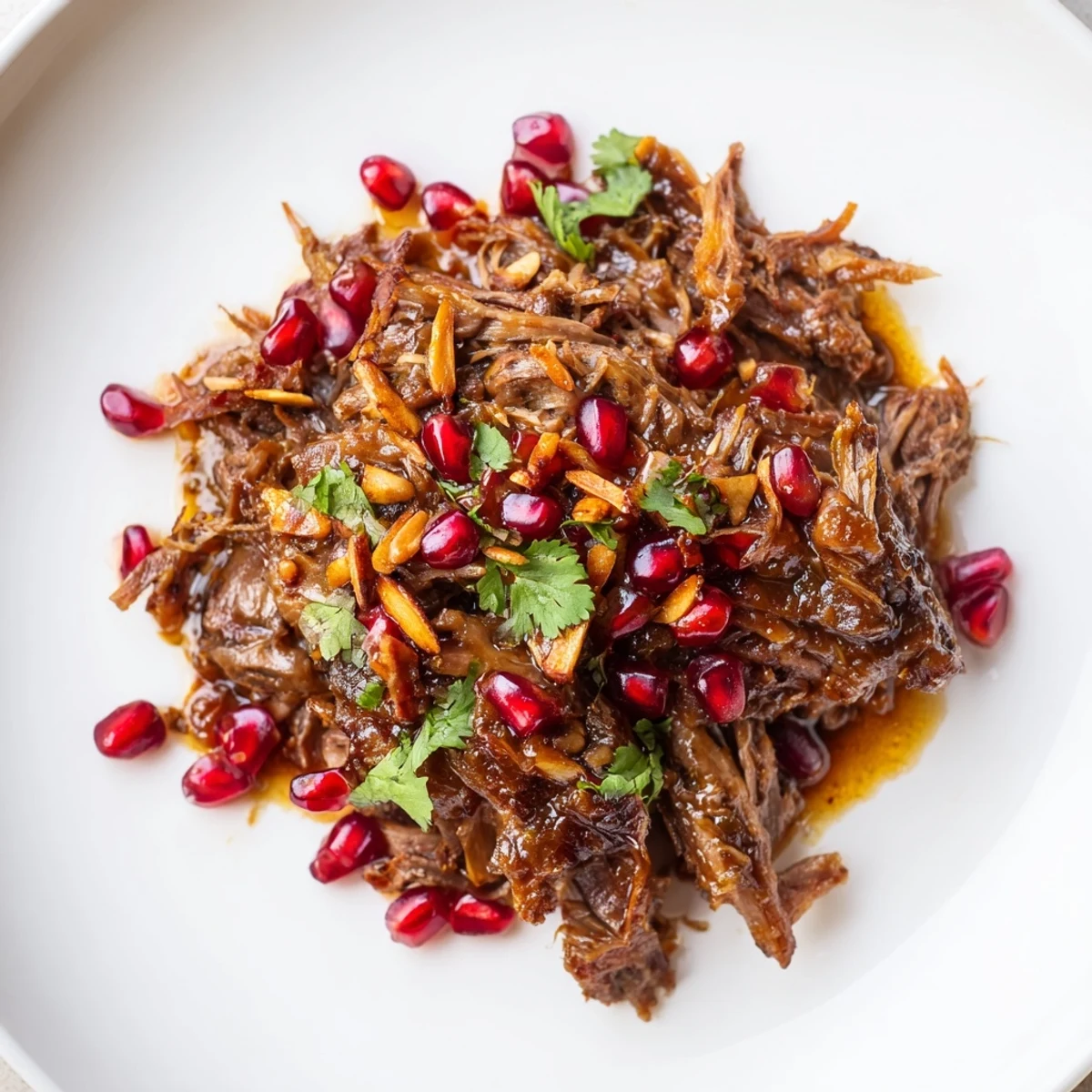
 My daughter was seven when she first helped me sprinkle the pomegranate seeds on top, her small fingers stained pink for hours afterward. She announced to the table that she had made dinner, and I did not correct her.
What to Serve Alongside
Saffron rice soaks up the sauce beautifully, but I have also served this with nothing more than warm flatbread torn into rough pieces and a bowl of thick yogurt. The bread forces people to eat with their hands, which somehow makes the meal more communal.
Making It Your Own
A friend adds dried apricots in the last hour of braising, which I resisted until I tasted it. The fruit swells and turns jammy, creating little pockets of sweetness against the savory meat. Another swaps the cilantro for mint when summer herbs are abundant.
The Day After
This dish improves overnight as the flavors continue their slow negotiation in the refrigerator. The fat will solidify into a pale cap that lifts away easily, leaving behind a sauce that clings even better than before.
- Reheat gently to avoid toughening the meat.
- Shred leftovers into the sauce and stuff into pita with pickled onions.
- The bones, stripped clean, still have enough life for a small pot of broth.
 Pin it
 Some recipes ask for precision, but this one asks for patience and trust. The lamb knows what to do if you give it time and enough liquid to swim in.
Recipe Q&A
- → How do I ensure the lamb stays tender?
-
Slow braising at a low temperature allows the lamb shoulder to break down, becoming tender and flavorful. Patting the meat dry before searing helps develop a good crust.
- → Can I substitute the lamb with another meat?
-
Beef chuck can be used as an alternative. Adjust cooking time as needed to reach similar tenderness.
- → What spices enhance the dish’s flavor?
-
Aromatic spices like cumin, coriander, cinnamon, allspice, and smoked paprika create a warm, fragrant profile that complements the lamb and pomegranate.
- → How is the pomegranate used in the cooking process?
-
Pomegranate juice is simmered with stock and spices to form a tangy, sweet base for braising, while seeds are added as a fresh garnish for texture and brightness.
- → What side dishes pair well with this dish?
-
Serve with saffron rice, couscous or flatbread to soak up the rich braising sauce and balance the flavors.
- → Can this dish be made gluten-free?
-
Yes, it’s naturally gluten-free if served without bread and by ensuring stock and other ingredients are free of gluten additives.