
 Pin it
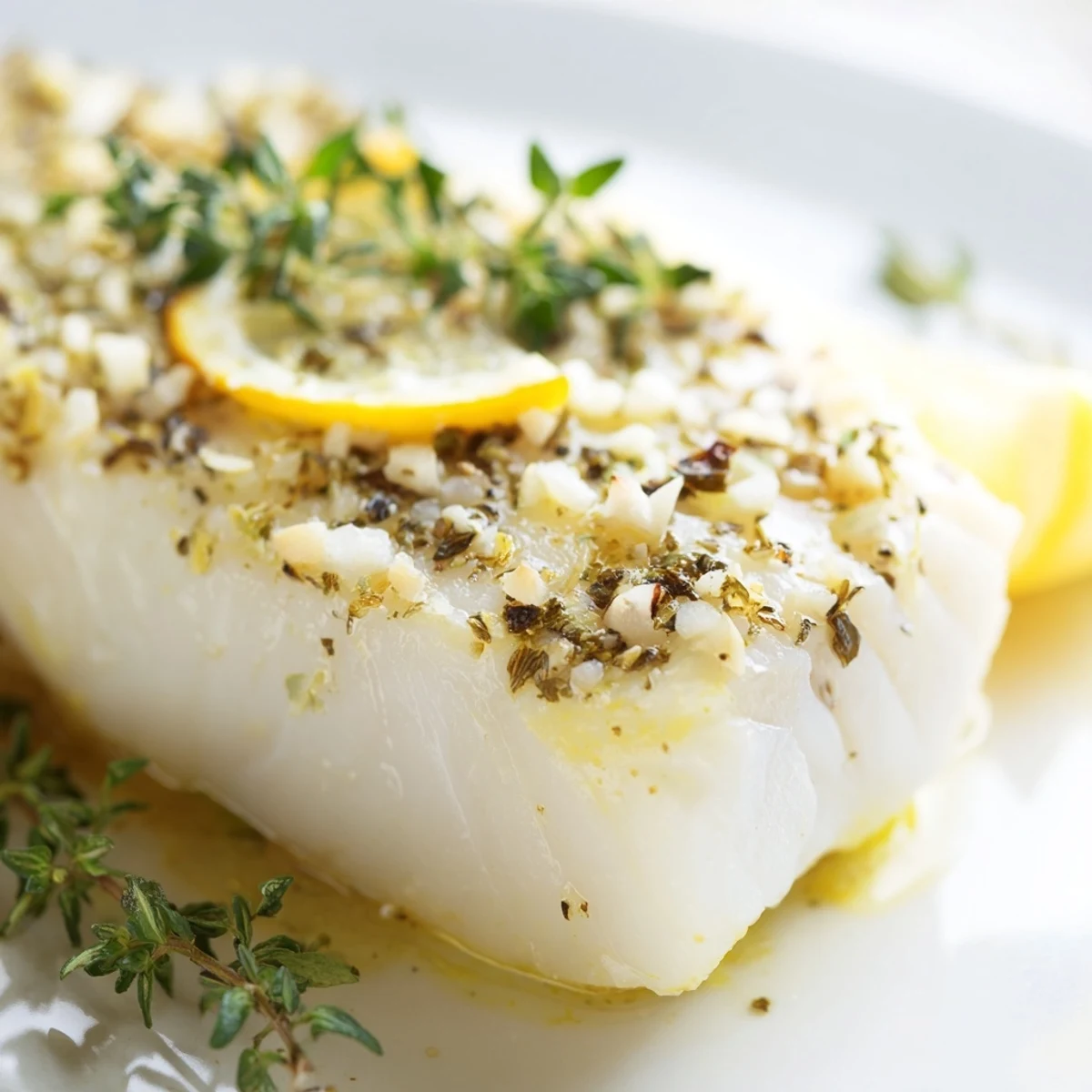
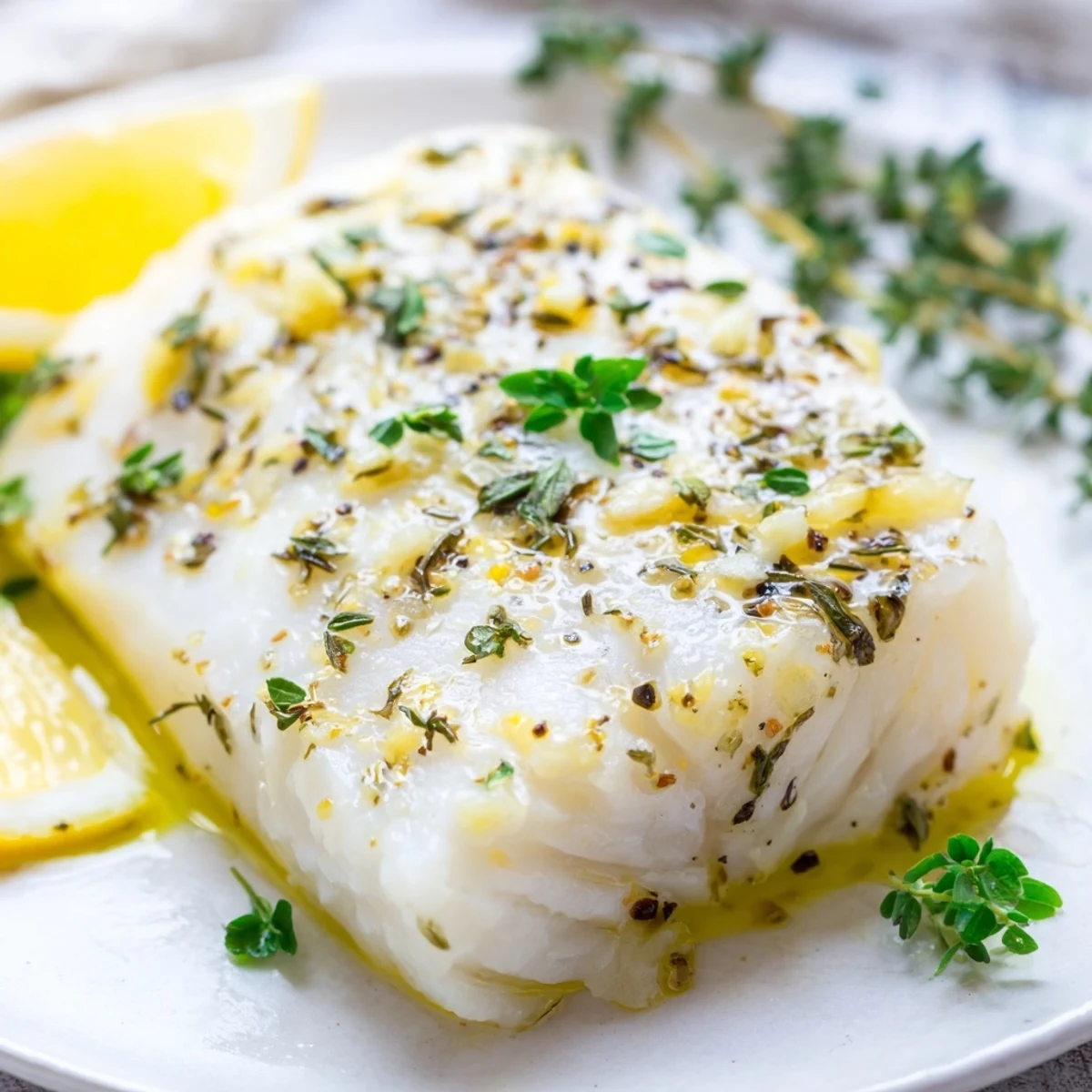
 This dish features tender halibut fillets brushed with a garlic, lemon, and herb marinade, then baked until flaky and juicy. The combination of fresh lemon zest and juice with minced garlic, thyme, and parsley brightens the mild fish, while olive oil keeps it moist. Baking at 400°F for about 15–18 minutes ensures a delicate texture perfect for weeknight dinners or special occasions. Garnish with extra parsley and enjoy alongside roasted vegetables or steamed rice.
There's something about the smell of garlic and lemon hitting hot oil that made me fall in love with cooking fish at home. I was honestly intimidated by halibut until a friend casually mentioned she just threw hers in the oven with some seasonings and it turned out perfect. That first time, I remember being shocked at how tender and flaky it became in barely twenty minutes, and I haven't looked back since.
I made this for my family one weeknight when everyone was tired and hungry, and suddenly the kitchen filled with this incredible aroma that made everyone stop what they were doing. My partner actually sat down at the table early just to watch it come out of the oven, which never happens. It became that dish I reach for when I want to feel like I've actually cooked something impressive without spending hours in the kitchen.
Ingredients
- Halibut fillets (4 pieces, 6 oz each): Choose ones that are similar in thickness so they cook evenly, and don't worry if they're not perfect rectangles—the uneven edges will actually crisp up nicely.
- Olive oil (3 tablespoons): This is your conductor, so use something you actually like tasting because you'll notice it here.
- Fresh garlic (3 cloves, minced): Mincing it fine matters because whole chunks won't distribute the flavor, and you want every bite to have that garlic presence.
- Sea salt and black pepper: Season generously—fish needs it more than you'd think, and these are your only seasonings doing the heavy lifting.
- Fresh thyme and parsley: Fresh herbs taste brighter and feel special, but if you only have dried, use half the amount because the flavors concentrate.
- Lemon (zested and juiced, plus slices for topping): The zest adds this subtle citrus depth that juice alone can't do, so don't skip it.
Instructions
- Heat Your Oven and Prep:
- Set the oven to 400°F and lightly oil your baking dish so nothing sticks. Having everything ready before you touch the fish means you're not fumbling around while they sit exposed.
- Build the Marinade:
- Whisk together the oil, garlic, lemon zest, juice, herbs, salt, and pepper in a small bowl—this is where the magic happens, and you'll smell it immediately. Let it sit for a minute so the garlic and herbs start to open up.
- Prepare and Season the Fish:
- Pat your fillets completely dry with paper towels, which helps them cook more evenly, then lay them in the dish. Brush the marinade over each piece until they're glistening, making sure to get into any crevices.
- Add the Lemon Topping:
- Lay thin lemon slices directly on top of each fillet—this not only looks beautiful but keeps the fish moist as it bakes.
- Bake Until Perfect:
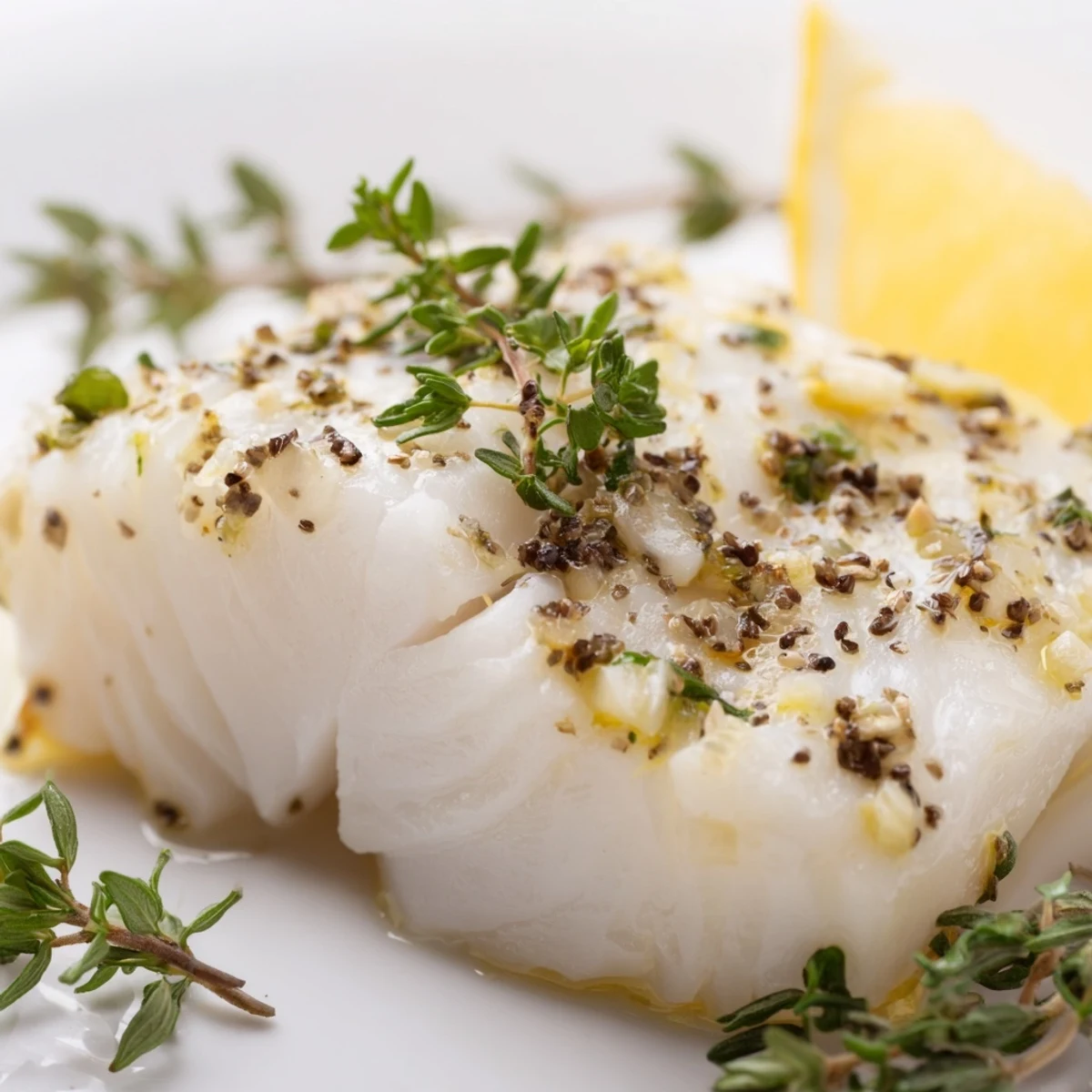
- Slide into the oven for 15-18 minutes, and you'll know it's done when a fork flakes through the thickest part easily and there's no translucent center. Trust your eyes more than the clock because oven temperatures vary.
- Finish and Serve:
- Pull it out, scatter the reserved parsley over top, and get it to the table while it's still warm and the lemon aroma is filling the room.
 Pin it
 There was this moment when my kid, who swears they don't like fish, tasted it and asked for seconds without complaining. That's when I realized this dish does something special—it's simple enough that nothing masks what fish actually tastes like when it's treated right, and somehow that's exactly what people want.
The Magic of Fresh Lemon
Lemon is doing triple duty here: the zest brings brightness, the juice adds acidity that makes the fish pop, and the slices protect the top from drying out. I used to think zest was fancy and unnecessary until I realized it's actually the most delicate part of the lemon's flavor, and it makes this dish feel intentional rather than thrown together. Once you taste the difference, you'll never skip it again.
Garlic, Thyme, and Why They Matter
This isn't a heavy dish, so each ingredient carries weight and needs to be in balance. The garlic gets mellow and almost sweet in the oven instead of harsh, thyme adds this subtle earthiness that feels grown-up, and parsley finishes everything with a fresh green note. I've seen people make this with too much garlic and ruin the delicate flavor of the fish, so respect the amounts—they're measured out for a reason.
Serving and Pairing Ideas
This fish is light and elegant, so side dishes should feel the same way rather than heavy or competing. Roasted vegetables like asparagus or snap peas pick up the lemon notes, steamed rice is comforting without being heavy, and a simple green salad with vinaigrette rounds everything out. If you're feeling adventurous, a splash of white wine in the baking dish before it goes in takes it from weeknight dinner to restaurant-quality, and it pairs beautifully with Sauvignon Blanc or Pinot Grigio because the acidity in the wine echoes the lemon.
- Don't drown it in sauce—let the simplicity be the point.
- Serve immediately while the fish is still warm and the flavors are singing.
- Leftover halibut is great cold the next day over a salad if you have any, though honestly it rarely lasts that long.
 Pin it
 This recipe proved to me that you don't need complicated techniques or an endless ingredient list to feel like you've actually cooked. When something this simple tastes this good, it changes how you approach the kitchen.
Recipe Q&A
- → How do I know when the halibut is cooked?
-
The halibut is done when it flakes easily with a fork and has an opaque appearance throughout.
- → Can I substitute other fish for halibut?
-
Yes, cod or sea bass work well as alternatives while maintaining a similar texture and flavor.
- → What herbs complement halibut in this dish?
-
Fresh thyme and parsley add aromatic and fresh notes that enhance the fish without overpowering it.
- → Is it necessary to use fresh lemon?
-
Fresh lemon juice and zest brighten the flavors significantly, but in a pinch, bottled lemon juice can be used.
- → Can I add extra flavor before baking?
-
A splash of white wine added before baking adds depth and subtle acidity to the dish.