
 Pin it
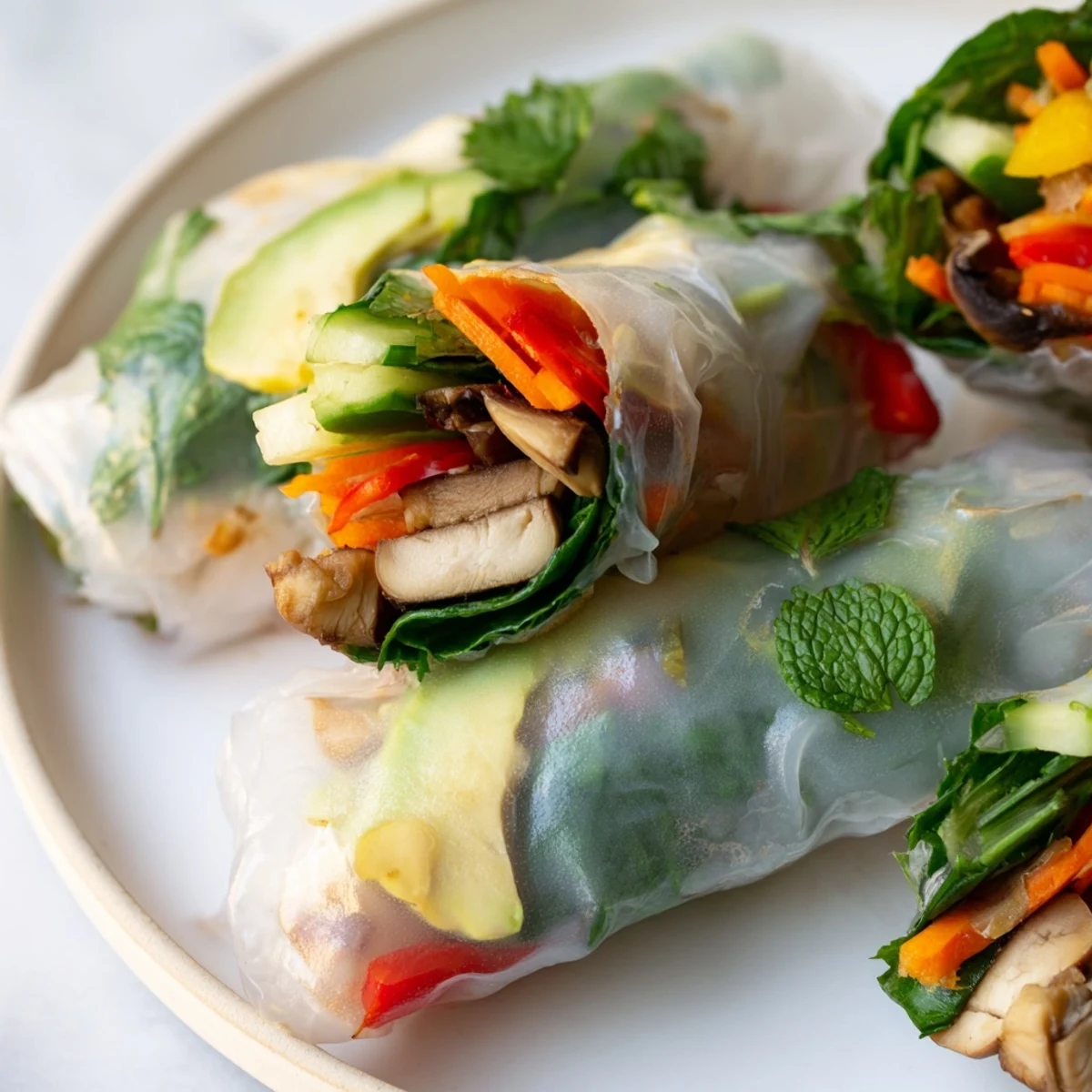
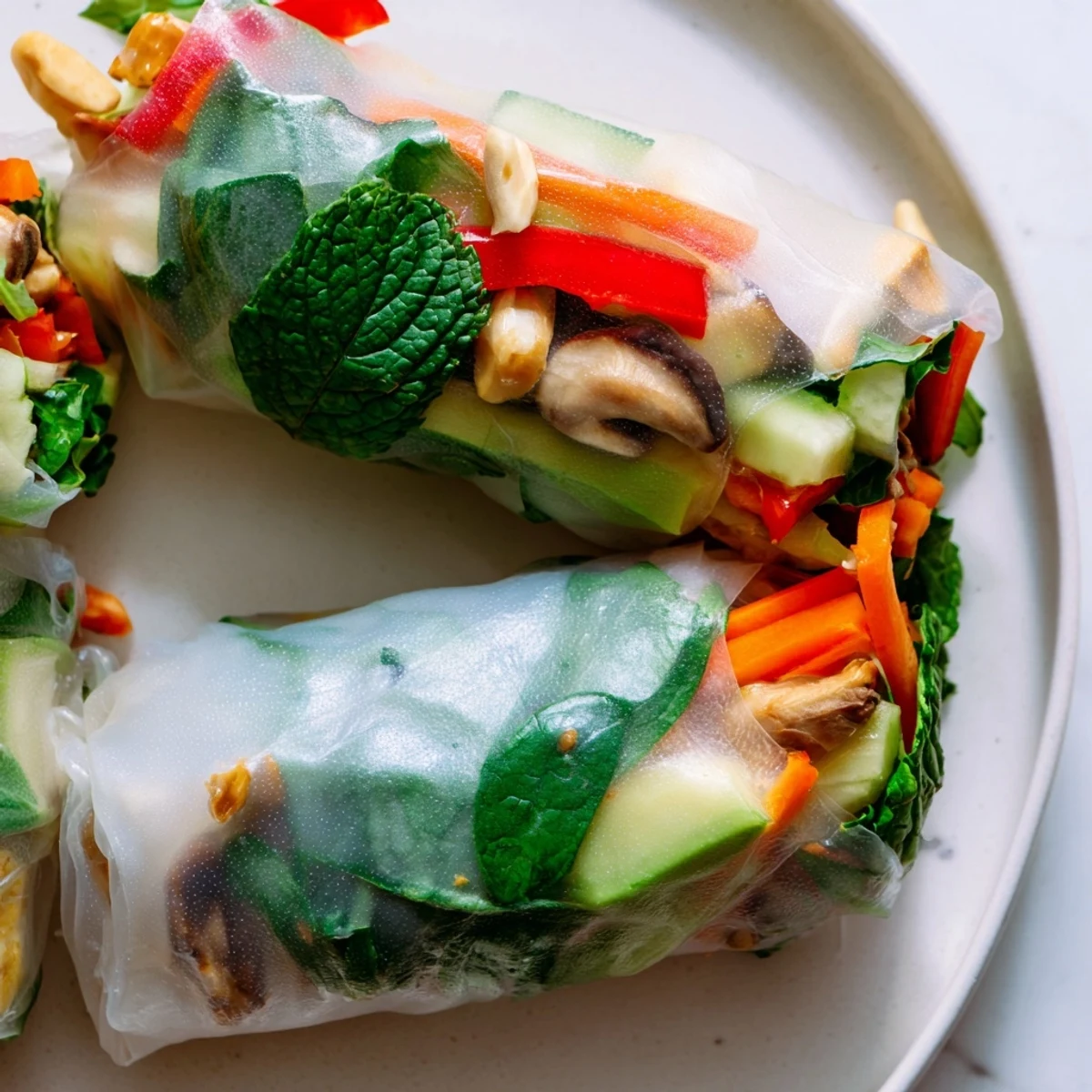
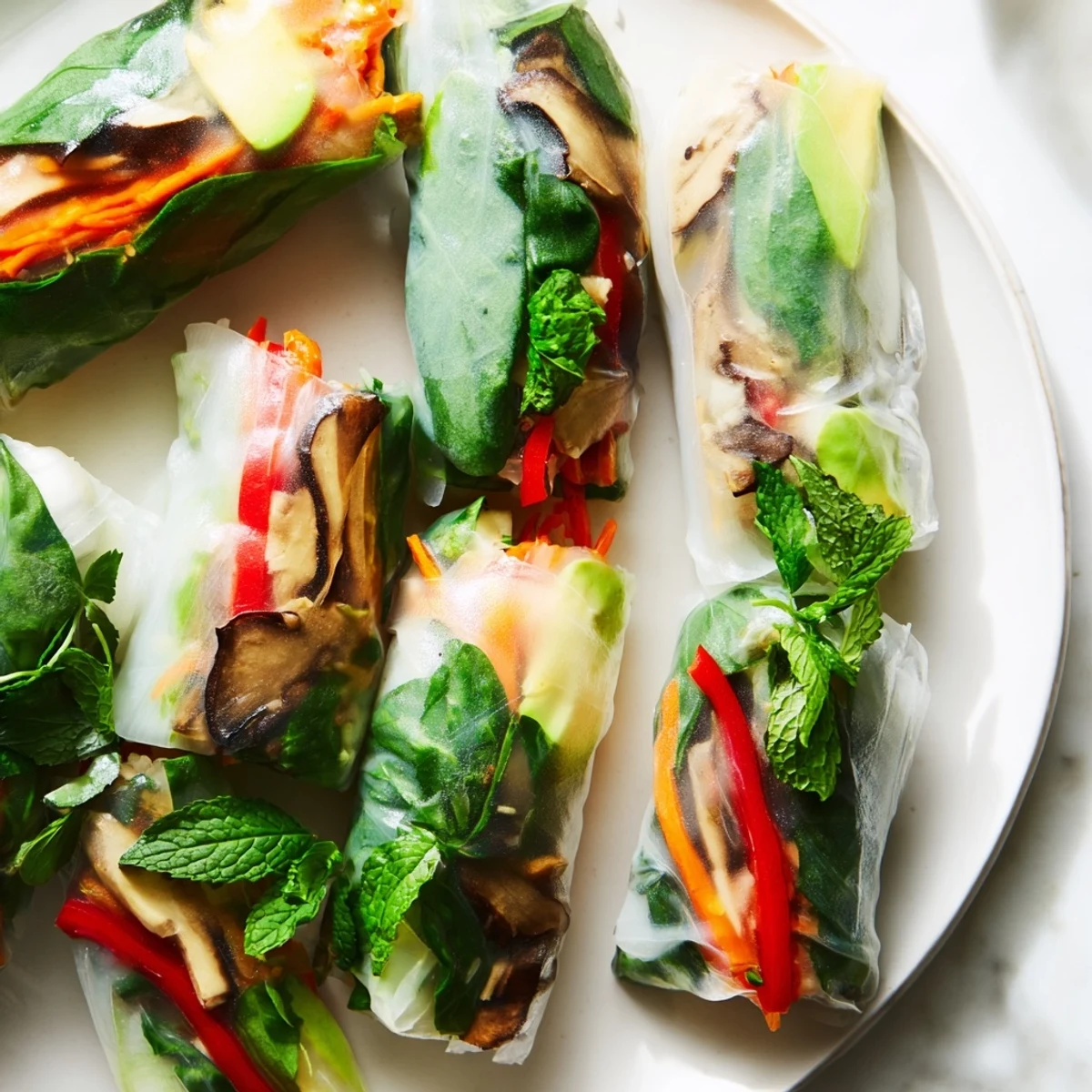
 These fresh spring rolls combine creamy avocado slices with tender sautéed shiitake mushrooms, crisp julienned vegetables, and aromatic herbs. The rice paper wrappers create translucent, delicate parcels that showcase the colorful filling inside. A quick whisked dipping sauce with soy, rice vinegar, sesame oil, ginger, and garlic adds perfect savory balance.
Preparation involves briefly softening rice paper sheets in warm water, then layering vegetables and folding into tight rolls. The shiitake mushrooms develop deeper flavor when quickly sautéed before cooling. Each roll delivers satisfying crunch from fresh vegetables contrasted with buttery avocado texture.
These versatile rolls adapt easily to preferences—add protein like tofu or shrimp, adjust vegetable selection, or customize spice level in the sauce. Serve whole or sliced in half for easy dipping. Best enjoyed immediately while rice paper maintains its tender texture and vegetables stay crisp.
The first time I made spring rolls, my kitchen counter looked like a vegetable explosion gone wrong. I had julienned everything beautifully but completely underestimated the delicate dance of working with rice paper. Those first few attempts were sloppy, uneven messes that I frantically stuffed with whatever vegetables were closest to me. But by roll number seven, something clicked—my hands learned the rhythm, the paper stopped tearing, and suddenly I was making restaurant worthy rolls without even thinking about it.
Last summer, I made a huge batch of these for my sisters birthday picnic. We spread blankets under this old oak tree and laid out platters of the vibrant rolls, glistening in the dappled sunlight. Everyone kept asking what restaurant they were from, and watching their faces when I said I made them that morning was honestly better than eating them myself. Now they are my go to whenever I need something that feels fancy but is actually effortless.
Ingredients
- 8 sheets rice paper (22 cm diameter): These delicate wrappers transform into translucent, slightly chewy parcels when softened—work with them gently and keep a bowl of warm water nearby for easy dipping
- 1 ripe avocado, sliced: The creamy richness here is non negotiable—it balances the crisp vegetables and creates that luxurious mouthfeel that makes spring rolls feel satisfying rather than just light
- 120 g fresh shiitake mushrooms, stems removed, sliced: Sautéing these first concentrates their earthy flavor and gives them a meaty texture that stands up beautifully to the fresh vegetables
- 1 medium carrot, julienned: These add essential crunch and sweetness—use a julienne peeler or sharp knife to cut them into thin, even strips that roll neatly without creating bulges
- 1 small cucumber, julienned: The cool, refreshing crunch here cuts through the rich avocado and complements the warm notes from the sautéed mushrooms perfectly
- 1 small red bell pepper, thinly sliced: Beyond the gorgeous pop of color, these bring a subtle sweetness and satisfying snap that makes every bite interesting
- 1 cup (30 g) fresh baby spinach or lettuce leaves: These form the foundational layer that prevents the more delicate ingredients from tearing through the rice paper during rolling
- 2 tbsp scallions, finely sliced: Their mild onion flavor bridges the gap between the fresh vegetables and the savory mushrooms without overwhelming the delicate balance
- 2 tbsp fresh cilantro leaves: This herb brings a bright, citrusy note that lifts all the other flavors and makes the rolls taste vibrant and fresh
- 2 tbsp fresh mint leaves: The cool, slightly sweet flavor here is what makes these spring rolls sing—do not skip it, it creates that authentic Southeast Asian flavor profile
- 2 tbsp soy sauce or tamari: The salty, umami rich base of the dipping sauce—if you are gluten free, tamari is your safest bet for that classic soy sauce flavor
- 1 tbsp rice vinegar: This adds just enough acidity to brighten the dipping sauce without making it too sharp or overwhelming the delicate flavors
- 1 tsp sesame oil: A little goes a long way here—this toasted oil brings a deep, nutty aroma that makes the dipping sauce taste restaurant quality
- 1 tsp maple syrup or honey: Just a touch of sweetness balances the saltiness and creates that perfect sweet salty harmony that keeps you coming back for more
- 1 tsp grated ginger: Fresh ginger brings a gentle warmth and zing that perks up the whole dipping sauce without adding heat
- 1 small garlic clove, minced: Even one small clove adds a savory backbone that makes the dipping sauce feel complete and well rounded
Instructions
- Sauté the shiitake mushrooms:
- Heat a non stick skillet over medium heat, add the sliced shiitakes and cook for 5 to 6 minutes until they are tender and starting to turn golden. Let them cool completely before using—hot mushrooms will make the rice paper tear and create steam that makes the rolls soggy.
- Prep your vegetable station:
- Arrange all your sliced vegetables, avocado, herbs and cooled mushrooms within arms reach of your rolling area. Having everything laid out like an assembly line makes the rolling process so much smoother and prevents frantic scrambling mid roll.
- Soften the rice paper:
- Fill a shallow dish with warm water and dip one rice paper sheet for 10 to 15 seconds until it is pliable but not falling apart. Lay it flat on a clean kitchen towel—the slight texture of the towel helps prevent sticking better than a slippery cutting board.
- Layer your fillings:
- Start with a small handful of spinach or lettuce in the center, then add a few slices each of avocado, sautéed shiitake, carrot, cucumber, bell pepper, scallions and a sprinkle of herbs. Do not overstuff—overfilled rolls are impossible to roll tightly and will burst at the seams.
- Roll it up tight:
- Fold the bottom edge over the filling, tuck in both sides like you are wrapping a burrito, then roll forward tightly until sealed. Place the finished roll seam side down on a plate and repeat until all ingredients are used—you should end up with 8 beautiful rolls.
- Whisk together the dipping sauce:
- Combine all sauce ingredients in a small bowl and whisk until smooth, adding a teaspoon of water at a time if it is too thick. The consistency should be thin enough to drizzle easily but thick enough to cling to the spring rolls when you dip them.
 Pin it
 My friend Sarah came over last spring for what was supposed to be a quick lunch but turned into a three hour spring rolling session. We made such a mess, laughing over our technique and arguing about who made the tighter roll. By the end, we were covered in rice paper fragments and vegetable shavings, but sitting on the floor eating our imperfect creations with that dipping sauce was one of the best afternoons I have had in ages.
Getting the Rice Paper Right
The temperature of your soaking water matters more than you might think. Water that is too hot will make the rice paper overly soft and prone to tearing, while water that is too cold will leave you with stiff, unworkable wrappers. Aim for warm water that feels comfortable to touch—about body temperature is perfect.
Perfecting Your Rolling Technique
Think of rolling a spring roll like tucking someone into bed. You want the filling snug but not suffocated, with enough room to breathe but enough tension to hold everything together. The key is pulling the paper toward you as you roll rather than just pushing it forward—it creates that satisfyingly tight restaurant style roll.
Make Ahead Strategy
Spring rolls are best eaten the same day, but you can prep all your vegetables and sauce up to 24 hours in advance. Store the vegetables in separate containers in the refrigerator and keep the sauce in a sealed jar—the flavors actually meld and improve overnight. Assemble the rolls about an hour before serving for the freshest texture.
- If you must refrigerate assembled rolls, wrap them individually in damp paper towels then plastic to prevent drying out
- Never cut the rolls in half until right before serving or they will start to weep moisture and become soggy at the cut edges
- Leftover sauce keeps beautifully in the refrigerator for up to a week and is amazing drizzled over rice bowls or grilled vegetables
 Pin it
 There is something deeply satisfying about hand rolling food—it connects you to what you are eating in a way that assembling a sandwich never quite does. These spring rolls have become my go to when I want to feel like I am taking care of myself, even when life is busy and complicated.
Recipe Q&A
- → Can I make these spring rolls ahead of time?
-
Spring rolls are best enjoyed immediately after assembly to maintain the crisp texture of vegetables and tender rice paper. If preparing ahead, store components separately: keep vegetables sliced, mushrooms cooked, and sauce whisked. Assemble just before serving. Rolls can be refrigerated for 2-3 hours wrapped tightly in damp paper towels and plastic, though rice paper may become slightly chewier over time.
- → What vegetables work best in spring rolls?
-
Julienned carrots, cucumber, and bell pepper provide excellent crunch and vibrant color. Baby spinach or butter lettuce adds soft texture. Other great options include shredded cabbage, snap peas, bean sprouts, sliced radishes, or mango for sweetness. Choose vegetables that can be cut into thin strips and maintain texture when wrapped. Avoid overly watery vegetables that might make rice paper soggy.
- → How do I prevent rice paper from tearing?
-
Use warm (not hot) water and dip rice paper briefly for 10-15 seconds until just pliable. Over-soaking makes paper too fragile. Lay softened sheets on a clean, slightly damp kitchen towel rather than directly on the counter. Handle gently when filling and folding. If paper dries out and becomes stiff during assembly, lightly brush with water. Working in a slightly humid environment helps flexibility.
- → Can I cook the shiitake mushrooms differently?
-
While sautéing develops savory depth, you can serve shiitakes raw for a fresher taste or marinate them in soy sauce, sesame oil, and garlic for 15 minutes before wrapping. Roasting mushrooms at 400°F for 10-12 minutes creates chewier texture. For maximum speed, use raw mushrooms sliced paper-thin. Each method yields different texture and flavor profiles.
- → Is the dipping sauce necessary?
-
The sauce adds essential flavor balance, providing salty, tangy, and aromatic elements that complement the neutral vegetables. The combination of soy sauce, rice vinegar, sesame oil, ginger, and garlic creates umami depth. If preferred, store-bought options like sweet chili sauce, hoisin, or peanut sauce work well. The rolls can be served plain, but sauce elevates them from simple vegetables to a complete appetizer experience.
- → How do I store leftover dipping sauce?
-
The dipping sauce keeps well refrigerated in an airtight container for 5-7 days. The flavors may intensify and meld over time. Before serving, bring to room temperature and whisk again since sesame oil may separate slightly. If sauce thickens in the refrigerator, thin with small amounts of water or rice vinegar. Double or triple the recipe to have sauce ready for quick meals or snacks throughout the week.